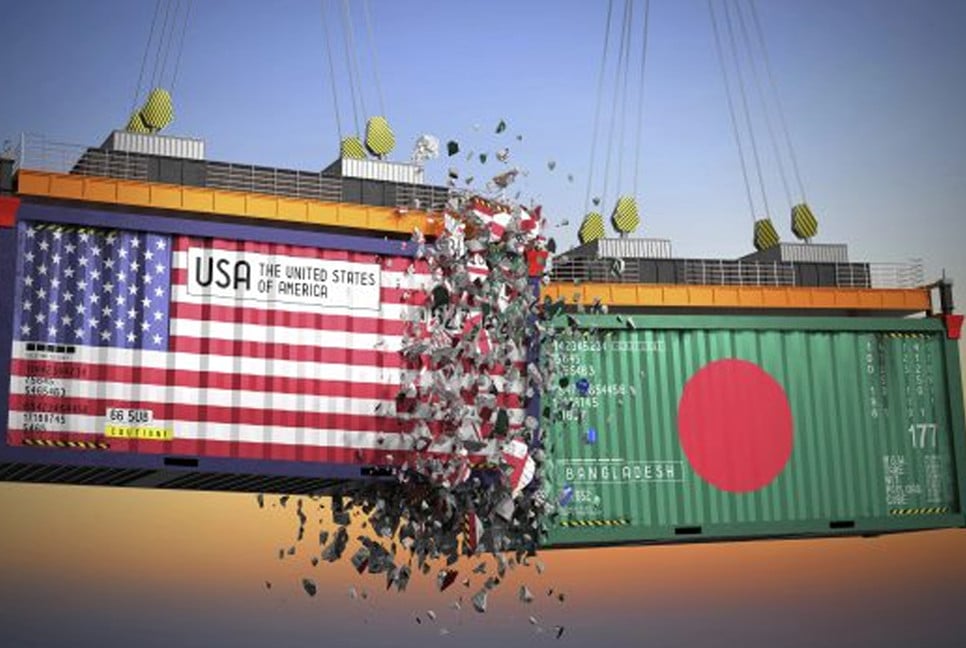
Bangladesh’s trade and business sector is facing a critical crisis. Ongoing negotiations with the United States over tariffs have yet to reach a resolution. If an agreement is not reached, the U.S. plans to impose an additional 35% duty on Bangladeshi goods starting August 1, potentially raising the total countervailing duties on Bangladeshi products to 50%. This would make doing business in the U.S. significantly more difficult for Bangladeshi exporters.
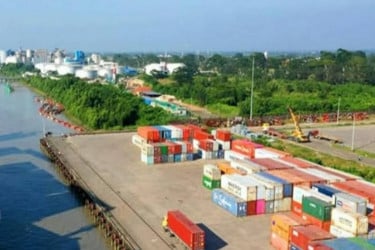
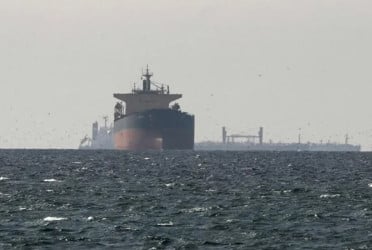
At the same time, Chattogram Port has announced a 30–40% increase in service charges (tariffs) across multiple categories. Additionally, private container depots are raising their management fees for container handling, costs that will fall entirely on importers and exporters. These combined pressures are expected to push the country's trade sector into deeper turmoil.
According to sources at the Ministry of Shipping, the last revision of service charges at Chattogram Port took place in 1986. After nearly four decades, a broad hike is being introduced — some charges increasing, others decreasing, but averaging a 30–40% rise overall. Once the new tariff structure is published in the official gazette, it will go into effect. The increase is expected to boost port revenue collection by roughly 40%, potentially generating an additional 15 billion BDT.
Meanwhile, the Private Container Depot Association has also announced increased fees for container services. According to a circular issued by the association, service charges will rise between 30% and 100%, effective September 1.
Business leaders warn that the country’s economy is already under heavy pressure due to multiple factors. The U.S. has not yet withdrawn its decision to impose the additional 35% duty. If the government fails to reach a resolution, this tariff will go into effect on August 1, potentially causing a disaster for Bangladesh’s export sector. In such a situation, the decision to raise service tariffs at Chattogram Port is being described as self-destructive.
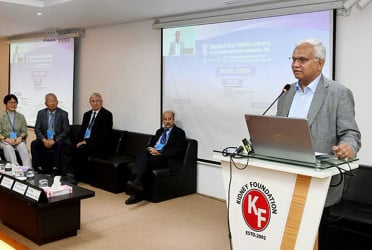
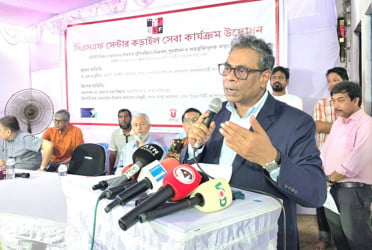
Fazlee Shamim Ehsan, Executive President of the Bangladesh Knitwear Manufacturers and Exporters Association (BKMEA), said: “You don’t set sail during a storm. Right now, trade is going through a storm. The tariff dispute with the U.S. hasn't been resolved yet. The port charges could have been raised six months later instead. After 39 years without a revision, what harm would waiting six more months do? Why raise fees amid so many challenges? This sends the wrong signal to investors. Some may argue, ‘What difference does an extra $80–100 make?’ But in times like these, even a banana tree can save you from drowning.”
He also criticized the government's push to amend labor laws during this sensitive period: “The government is also rushing to amend labor laws — this isn’t the right time either. What hasn’t been done in four years doesn’t need to be completed in six months. The ILO has given us a deadline until March. Why are we pushing to finish it by August? Combined with the tariff hikes, this sends negative signals to investors.”
“We don’t know exactly how much the damage will be, but it will definitely put investors under psychological stress. That’s why these initiatives should be temporarily suspended. We’re hopeful that within the next six months, the trade environment will improve. These steps can be reconsidered when the situation stabilizes.”
Bd-pratidin English/ ANI