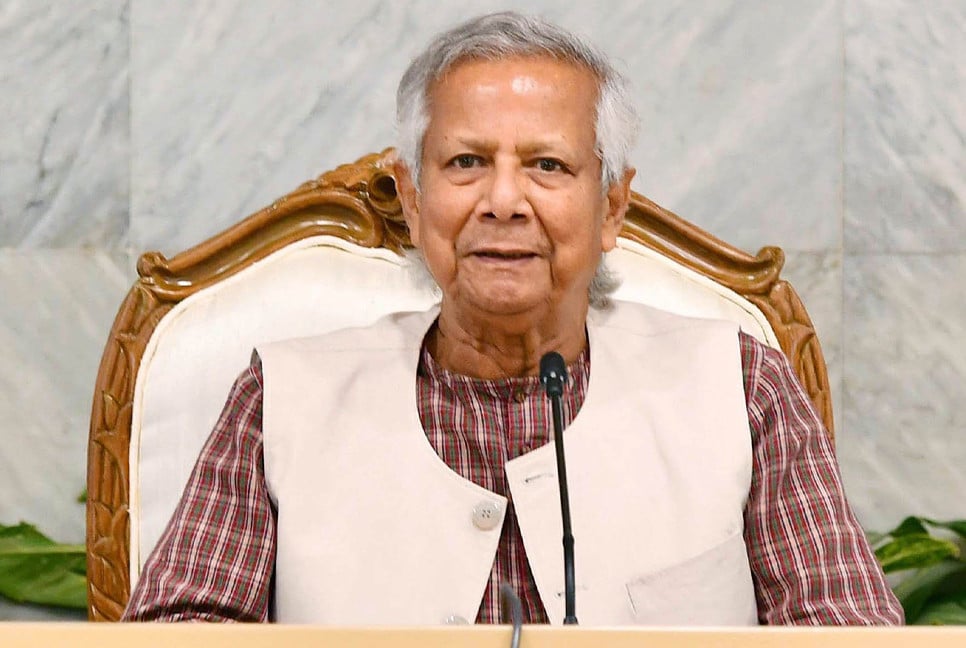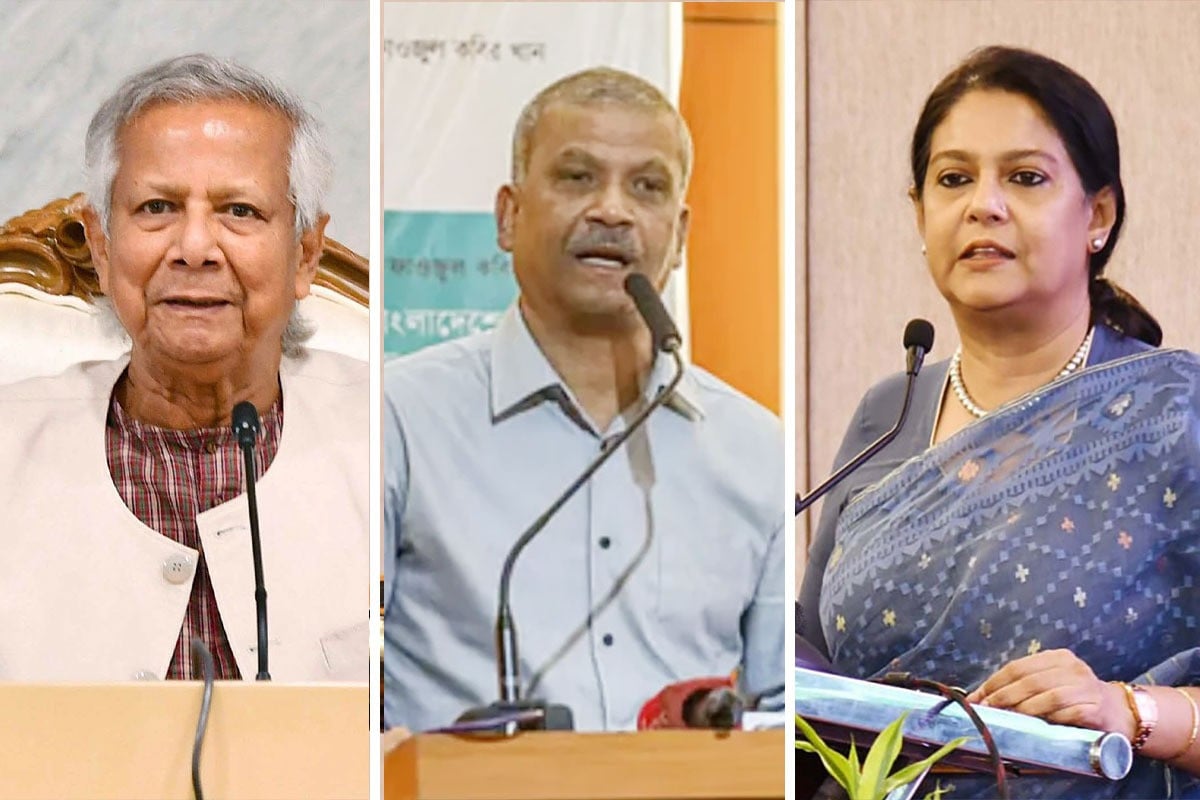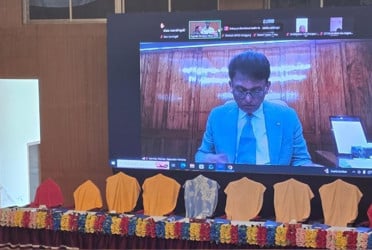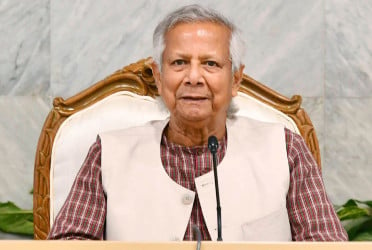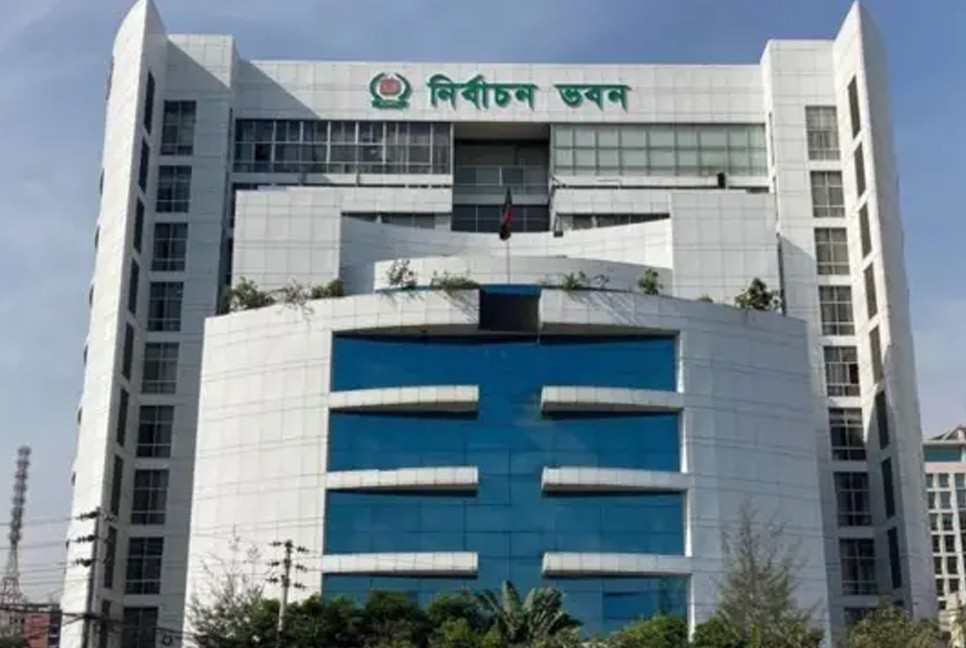
Chief Adviser Dr. Muhammad Yunus has directed the Election Commission (EC) to complete all preparations by December, ahead of the 13th National Parliament Elections.
Taking this directive into account, the EC is prioritizing the improvement of the law and order situation to create a conducive environment, ensure a level playing field for all, and build public trust over the next five months.
Everyone is closely observing how effectively law and order is being maintained as the EC continues with its ‘routine’ activities in preparation for the polls.
Analysts point to the improvement of law and order as the government's greatest challenge and emphasize, “The EC’s primary responsibility is to ensure a level playing field for all participants in the election process.”
“In addition to the EC’s impartial role, appointing non-partisan and neutral officials for the electoral process is essential,” experts have noted.
They also state that, along with the July Charter and necessary electoral law reforms, dialogues with political parties and stakeholders should be organized to make the voting process fully transparent. “This would help create a voting-friendly atmosphere and raise public confidence in the EC,” they added.
According to EC sources, “Chief Adviser Dr. Muhammad Yunus instructed law enforcement agencies to ensure that law and order is maintained ahead of the upcoming elections.” On July 9, he asked the forces to assess what measures can be taken to ensure peaceful voting in vulnerable areas, including placing polling stations under CCTV surveillance and monitoring.
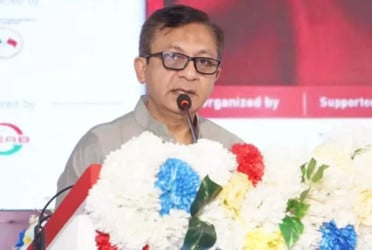
Meanwhile, the EC remains hopeful that the prevailing law and order situation will gradually foster a favorable electoral environment. Election Commissioner Md. Anwarul Islam Sarker said, “The concerned ministry is responsible for law and order, and I believe they are taking it seriously. They are holding meetings with newspapers and progressing steadily in their efforts.”
Mr. Anwarul expressed optimism, saying, “I hope the environment will reach a satisfactory level in due time.”
He stated that the EC will hold meetings with political parties and stakeholders as part of its routine duties. The commissioner further added, “I believe many issues will be resolved through the National Consensus Commission dialogue.” He noted, “I expect that the dialogue will produce decisions within this month regarding the July proclamation and charter.” He expressed confidence that solutions to all problems will be found.
Discussing measures for a free, fair, and participatory election, Mr. Anwarul said, “We have decided not to assign officials who were involved with the Commission during the last three elections, alongside deploying a skilled workforce.”
He reiterated, “We will examine this matter closely and bar anyone from election duties who has been accused with supporting evidence.”
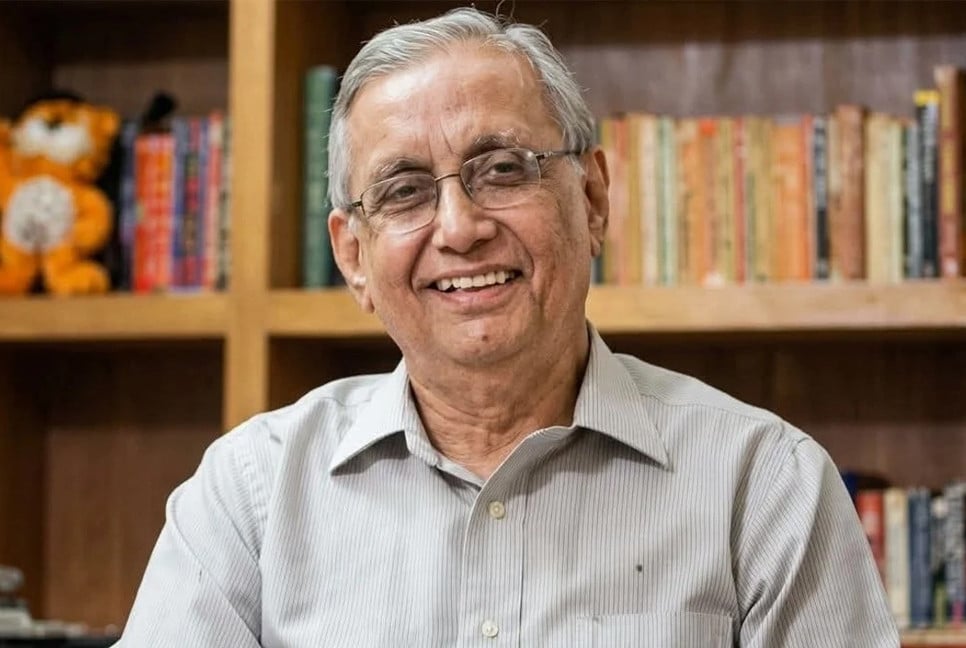
Electoral Reform Commission Chief and National Consensus Commission Member Badiul Alam Majumdar said, “We are hopeful that the government will take the right steps to maintain law and order properly, which will help create a level playing field for all parties.”
He noted that there is still enough time to improve the law and order situation before the election.
Election Analyst Md. Abdul Alim observed, “Since law and order is a major concern ahead of the polls, a comprehensive election security system is required. A key component of this is the installation and monitoring of CCTV.”
He emphasized the need to review overall security, identify possible risks and challenges, and take appropriate measures. He noted that the EC should play a leading role in the process.
He added that the EC, along with the army and law enforcement agencies, must work together. “Afterward, a survey should be conducted, and the election process should move forward,” he said.
Mr. Alim, a member of the probe committee reviewing the last three national elections, stated, “Since the Chief Adviser has instructed that all preparations be completed by December, there is no doubt that everything must be done within these five months.”
He also stressed the need to inform voters about CCTV installations to help boost confidence in the EC and the electoral process.
Eyes on the Law and Order Affairs Advisory Council Meeting
The most recent meeting of the Law and Order Affairs Advisory Council was held on July 13. At the meeting, relevant ministries and departments were instructed to take necessary steps to implement specific decisions. The discussions focused on maintaining discipline regarding legal issues related to the national election.
The minutes of the meeting, signed by Senior Assistant Secretary of the Home Ministry Md Abdul Hai, have already been sent to the EC Secretariat.
The Public Administration Ministry, Home Ministry, EC Secretariat, and the concerned departments and offices of law enforcement agencies will be responsible for implementing these decisions.
To ensure a free, fair, and neutral election, a detailed action plan must be formulated in coordination with all relevant agencies.
At the field level, Deputy Commissioners, Superintendents of Police, Upazila Executive Officers, and Officers-in-Charge of police stations must perform their duties impartially. These tasks must be completed by December 31.
Law enforcement agencies will conduct two separate drills ahead of the national parliamentary elections.
Additionally, CCTV cameras must be installed at all high-risk polling stations, and effective monitoring systems should be in place. Officials who served in the 2014, 2018, and 2024 elections should not be given responsibilities in the upcoming elections.
Heightened vigilance is essential to prevent deterioration of law and order before the polls. Law enforcement and government officials must remain alert to hate propaganda during the pre-election period. All pre-election and election-time bodies must act jointly and impartially to handle the situation.
How Prepared Is the EC for the Election
The EC currently has multiple responsibilities and implementation plans for election preparations—these include reforms, constituency-wise voter lists, polling centres, delimitation of constituencies, party registration, coordination with observer organizations, procurement of election materials, and dialogues with political parties and stakeholders.
Election Commissioner Md. Anwarul Islam Sarker said, “We are conducting all the preparatory tasks. You can assume we will be ready within the next five months. The laws, rules, and policies are already in place. The proposal to amend the main electoral law—the RPO (Representation of the People Order)—is nearly finalized. We are making sure that no proposal conflicts with the constitution, existing laws, or with each other.”
He also mentioned that the EC plans to initiate discussions with political parties and stakeholders in the coming months as part of election preparations.
Regarding the use of CCTV, the commissioner stated that it may be operated under the supervision of law enforcement. Mr. Anwarul added, “If CCTV is used as a tool by law enforcement, and its maintenance and operations aren’t managed by them, then how will the EC run it?”
Translated by AM