How many more heart-wrenching tragedies must occur before the wretched people of this land are freed from sorrow and suffering? How many more cruel twists of fate must they endure before their misfortunes are lifted? These questions seem to echo today on the lips of every grieving citizen. Whose crime is it that has brought about such an unbroken chain of calamities across the country? From natural disasters to man-made anarchy, each seems to descend upon this nation in relentless succession.
From 1947 to 1971, and another 53 years since then — yet the fate of this nation remains unchanged. We still haven’t achieved a homeland free from misrule and exploitation, one where peace and security reign. The dream of economic emancipation remains out of reach, while in the name of politics, many have emerged only to become tyrants, exploiters, deceivers, and condemned killers.
In the anti-fascist uprising led by students and the general public last July and August, over 1,500 men, women, and children lost their lives. Although the fascist regime at the time collapsed, the violence by its loyalists did not cease.
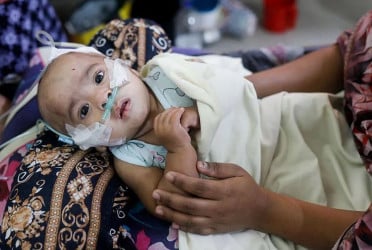
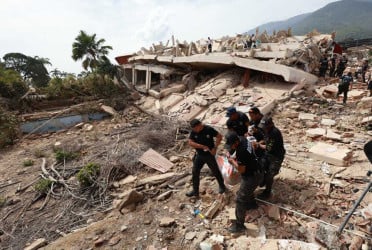
The recent wave of attacks in Gopalganj by Awami League and banned Chhatra League members seems yet another attempt to disrupt the democratic climate and perpetuate a legacy of lawlessness. And amid these man-made disasters, the country has been struck by yet another unexpected tragedy — the crash of a Bangladesh Air Force fighter jet during the construction of Milestone School and College in Uttara. As of Saturday, 35 students and teachers have perished in the horrific blaze.
Many others continue to fight for their lives in hospital beds. This relentless succession of disasters, both expected and unforeseen, has left the peace-loving people of this country stunned. And in this moment of despair, they have only one question: Where does this disaster end?
Despite this prolonged period of hardship, the people still hold onto hope for a brighter time — one that will at least free them from human-caused suffering. Bangladesh is a country of both immense problems and vast potential. But its prospects are buried under layers of man-made crises.
In these 53 years, we’ve had many chances to change our destiny. But due to political incompetence, failure, lack of proper planning and foresight, most of those opportunities have slipped away. Additionally, our political landscape has been plagued by corruption, selfishness, and shameless attempts to establish authoritarian rule — all of which have been repeatedly demonstrated.
Though the nation has seen many successful mass movements and uprisings aimed at ending dictatorship, corruption, and misrule — costing countless lives — we have time and again succumbed to vested interests and political selfishness. Each time, we’ve had to restart the struggle for social, economic, and democratic rights.
Our Constitution, Parliament, civil administration, judiciary — even recent national elections — have often been reduced to mere farce. Behind the slogans of so-called development, a monstrous fascism has been allowed to take root. The uprising led by anti-discrimination student movements last July and August has now presented us with a rare opportunity to transform society and state. A vast majority of citizens are now demanding reform — real reform — to rebuild the state properly.
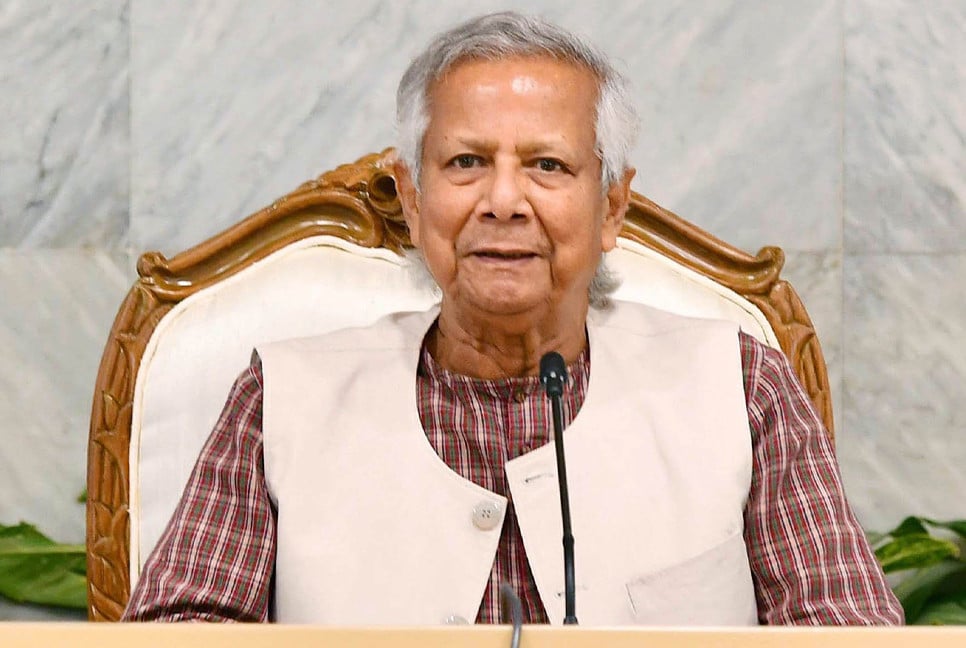
Though the current interim administration may be apolitical, there is no doubt that its head is a committed individual when it comes to urgent reforms. He has repeatedly expressed his views clearly in various speeches, especially regarding reforms and elections — views that now require no further elaboration.
Yet, even under this interim setup, political parties are failing to reach consensus on necessary reforms and decision-making. Ironically, many of them are already demanding elections. But they have participated in many elections before, without ever leading the country to its rightful path.
Political muscle-flexing and demonstrations have already begun nationwide ahead of the elections, often paralysing the capital. What’s troubling is that despite all this, none of the major parties appears to have undertaken any internal organisational reforms. How long do they expect to run the country with corrupt leadership?
Those who shout the loudest about national reform remain silent when it comes to purging their own ranks. The recent mass uprising has made one truth absolutely clear — if Bangladesh is to experience the desired transformation, it must now be led by honest, educated youth. The days of political thugs, extortionists, and opportunists are over.
What the country needs now is educated, honest, and intelligent young leadership — otherwise future governments will face failure at every turn. The tide of movements will sweep them away like floodwater. No longer will wayward sons or opportunistic relatives be able to build empires of corruption or form networks of power. Therefore, political parties must begin nurturing educated, tech-savvy, and scientifically minded youth, and create jobs in proportion to their needs — or risk turning Parliament, the Secretariat, and ministers’ residences into battlegrounds.
Parties must now draft their manifestos accordingly. The current reform agenda must be pushed forward with unity. Otherwise, the ruling party post-election will face obstruction at every step.
Following the political upheaval of July-August, new challenges are emerging. If political parties continue to jump into the streets at every disagreement, the country may face paralysis — both domestically and on the global stage.
Last week, the Deputy Chair of the National Consensus Commission, Dr Ali Riaz, met with leaders from BNP, Jamaat, Islami Andolon, and the National Citizen’s Party (NCP) to discuss key reforms. The commission has also sat with 13 other parties. After these discussions, it reported some meaningful agreements had been reached. If things go as planned, a general election could take place by February.
Notably, no caretaker government in the past has undertaken such crucial reforms. So some political disagreements with this interim government are not unexpected. Besides, the recent transfer of NCP leaders in Gopalganj to a secure location in a military vehicle, following attacks from Awami League and Chhatra League members, has drawn criticism — with some seeing it as a sign of government bias.
Furthermore, some allege that the interim government is supporting students in forming a political party — an allegation that has sparked heated debate. However, many argue that without student-led movements — from the Language Movement to the Liberation War — Bangladesh would not be what it is today.
No political party was able to bring down Sheikh Hasina’s fascist regime despite nearly 15 years of attempts. That feat was accomplished only by the anti-discrimination student protests. In the past, the fruits of student uprisings have been reaped by political parties. But this time, if students — particularly those from top universities — wish to form a political party, why should there be any legal objection?
Many citizens today believe that politics needs educated youth — not uneducated gangsters, extortionists, or opportunists.
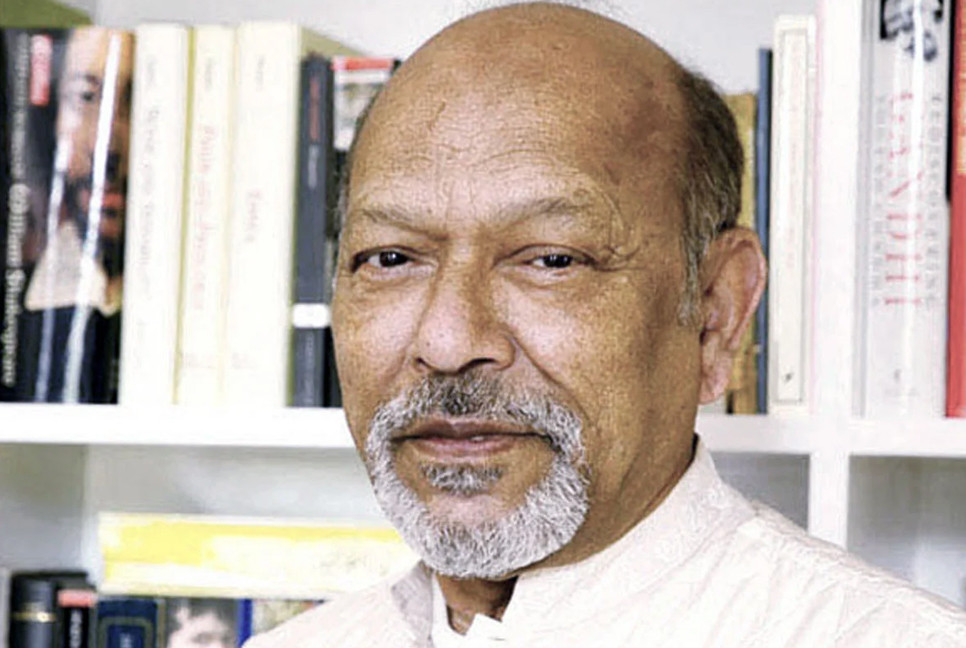
The writer is former Chief Editor and Managing Director, Bangladesh Sangbad Sangstha (BSS).
Email: [email protected]