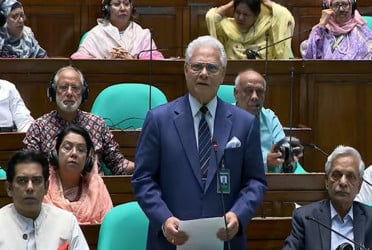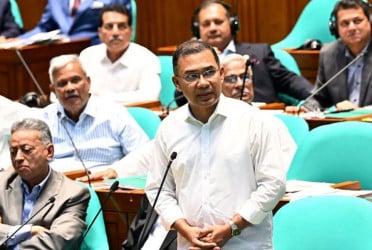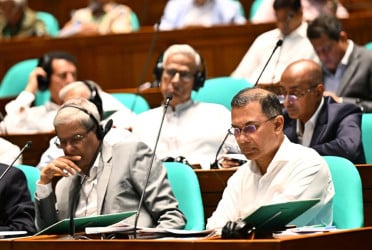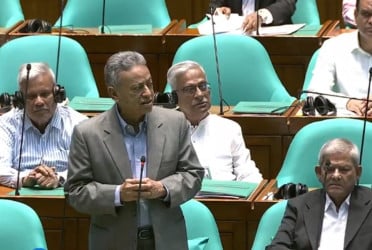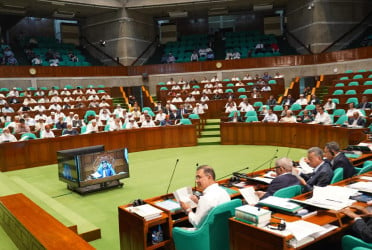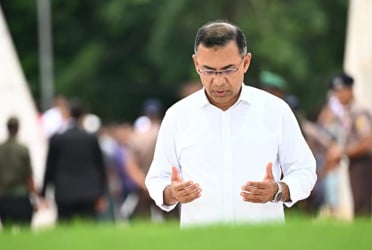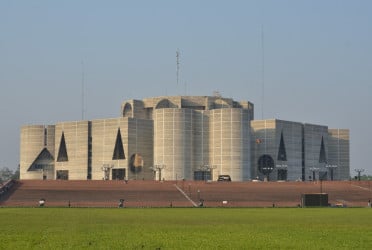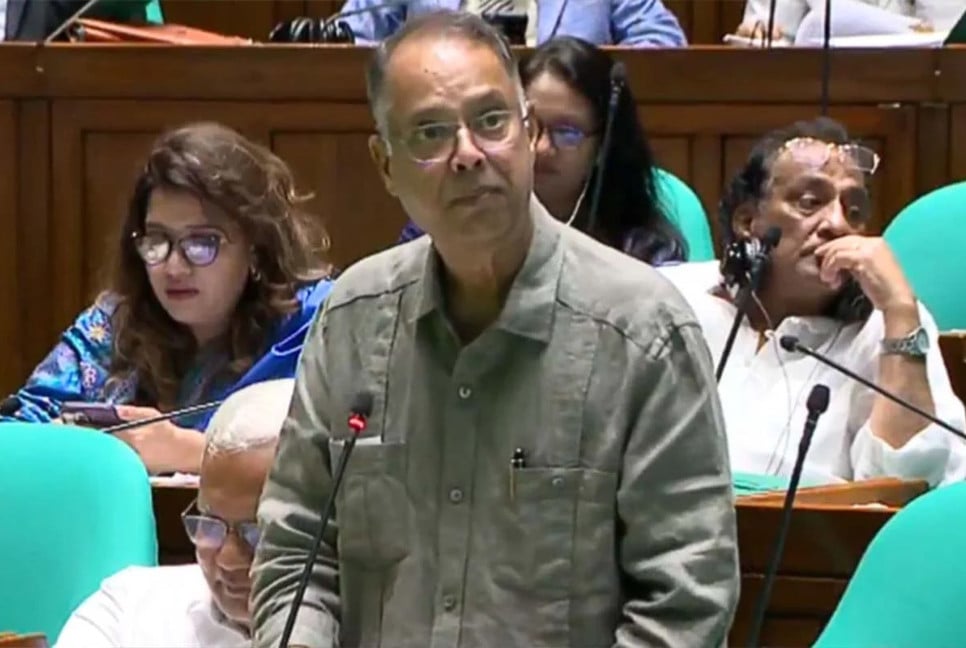
A special 10-member parliamentary committee, chaired by Energy Minister Iqbal Hasan Mahmud Tuku, submitted a 12-point recommendation package to Parliament on Sunday to overhaul Bangladesh's energy security framework.
The committee, formed on April 26 during the 13th Parliament's first session, concluded that structural reforms and digital integration are essential to withstand global market volatility.
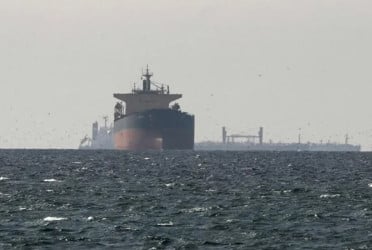
Among its key recommendations, the committee called for increasing the country’s strategic fuel oil reserves to ensure a minimum three-month supply capacity, diversifying sources of energy imports, and implementing full automation and digital monitoring across the fuel supply chain.
The committee also recommended strengthening legal measures to prevent illegal stockpiling and smuggling of fuel products, expanding the use of alternative energy sources including LNG and renewable energy, and accelerating the implementation of major infrastructure projects such as the Dhaka-Chattogram pipeline, the Single Point Mooring (SPM) project and the Eastern Refinery Limited (ERL)-2 project.
Other recommendations include intensifying public awareness campaigns on energy conservation, conducting studies on allowing private-sector participation in fuel imports alongside the Bangladesh Petroleum Corporation (BPC), and making rooftop solar panel installations mandatory while ensuring effective monitoring of their operation.
The committee further urged the government to formulate and implement plans to reduce system losses in the energy sector and to adopt an integrated strategy for electricity generation from a diversified mix of energy sources, including oil, gas, coal, solar and wind power.
It also recommended incorporating any proposals submitted by opposition lawmakers relating to the committee’s terms of reference into the final report.
The committee observed that the recent energy situation has created an important opportunity for Bangladesh to reassess its energy security framework. Against the backdrop of volatility in global energy markets and evolving geopolitical realities, it stressed the need for a more resilient, diversified and technology-driven energy policy, infrastructure network and supply system.
According to the report, while the country has been able to manage the current challenges successfully, ensuring long-term energy security will require structural reforms, infrastructure development, diversification of energy sources and the adoption of a coordinated national strategy.
The committee expressed confidence that timely government actions, effective parliamentary oversight, the use of modern technology and public cooperation would help build a stronger, more stable and sustainable energy system in the future.
The 10-member committee was chaired by Power, Energy and Mineral Resources Minister Iqbal Hasan Mahmud Tuku. Other members included State Minister for Power, Energy and Mineral Resources Anindya Islam Amit, Whips ABM Ashraf Uddin (Nizan) and Mia Nuruddin Ahammad Apu, and MPs Moinul Islam Khan, Md Saiful Alam, Md Nurul Islam, Md Abdul Baten, Md Abul Hasnat (Hasnat Abdullah) and Mohammad Abul Hasan.
The committee held meetings on May 3 and May 19. Energy and Mineral Resources Division Secretary Mohammad Saiful Islam, Bangladesh Petroleum Corporation Chairman Md Rezanur Rahman, Petrobangla Chairman Erfanul Haque and Joint Secretary Monir Hossain Chowdhury attended the meetings to assist the committee.
The committee’s tenure was 30 days from the date of the notification establishing it.
Bd-pratidin English/TR