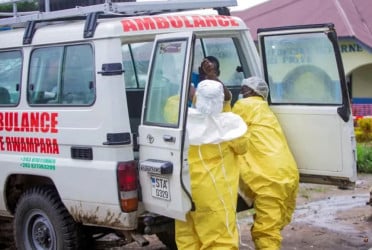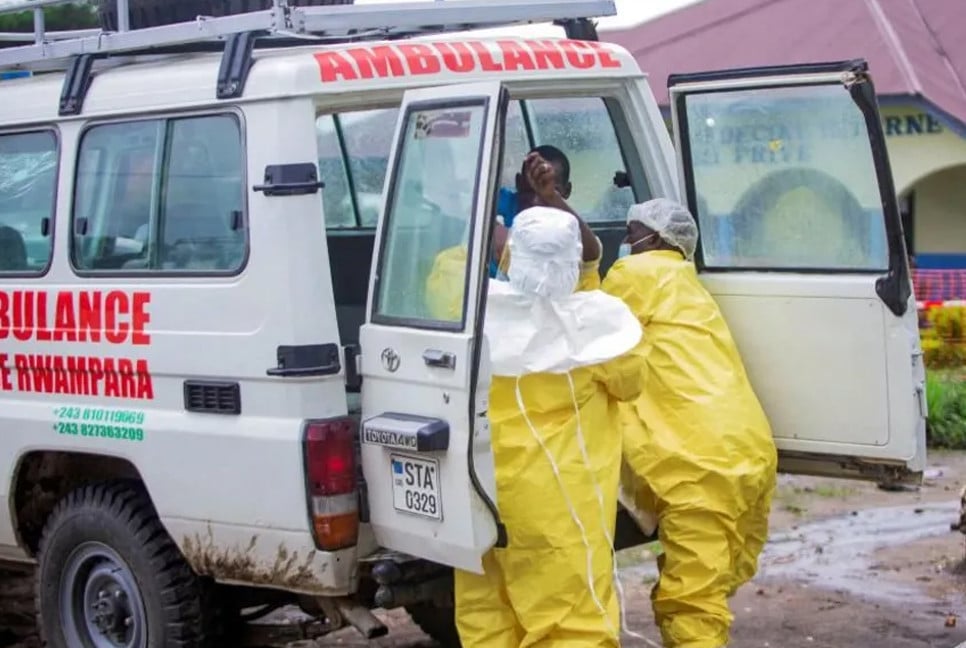
At least 438 people have died in the ongoing Ebola outbreak in the Democratic Republic of Congo (DR Congo), according to the World Health Organization (WHO).
More than 1,400 confirmed cases had been reported as of June 30, while an additional 301 suspected cases were under investigation, WHO data showed. The outbreak, which began in May, has been declared a public health emergency by the organization.
The WHO also confirmed 20 Ebola cases and two deaths in neighbouring Uganda, while one confirmed case has been reported in France as of July 1, raising concerns over the spread of the virus beyond DR Congo.
Meanwhile, a clinical trial of two potential treatments for the Bundibugyo strain of the Ebola virus has begun in DR Congo. The first patient has already been enrolled, marking a significant step in efforts to combat the highly infectious disease.
The trial is sponsored by the WHO and is being coordinated by scientists from the Institut National de Recherche Biomédicale in DR Congo, the Institute of Tropical Medicine in Belgium and the University of Oxford in the United Kingdom.
Speaking at the WHO headquarters in Geneva on Thursday, WHO Director-General Tedros Adhanom Ghebreyesus said the launch of the clinical trial offered hope despite the absence of approved treatments.
"The clinical trial of two therapeutics began with the enrolment of the first patient," he said.
"Even without approved therapeutics, people are recovering from this disease. But we could save many more lives with safe and effective therapeutics in our toolkit."
There are currently no approved vaccines or treatments for the Bundibugyo virus species, which is responsible for the current outbreak.
Ebola is caused by a virus that attacks the body's immune system and organs. It primarily infects animals, particularly fruit bats, but outbreaks among humans can begin through contact with infected animals.
People become contagious only after developing symptoms, which usually appear between two and 21 days after infection. Early symptoms include fever, headache and fatigue, often resembling malaria or influenza.
Scientists have identified six species of the Ebola virus, but only three are known to cause outbreaks in humans. As each species requires its own vaccine, developing effective vaccines and treatments remains one of the biggest challenges in containing the disease.
Bd-Pratidin English/ AM