The war in the Middle East is sending shockwaves through the global economy, rattling energy markets, disrupting shipping routes and prompting governments to consider emergency measures to stabilise fuel supplies.
Oil prices fell sharply after US President Donald Trump suggested the conflict was “pretty much” over, easing market fears of a prolonged crisis in a region responsible for a large share of the world’s oil supply.
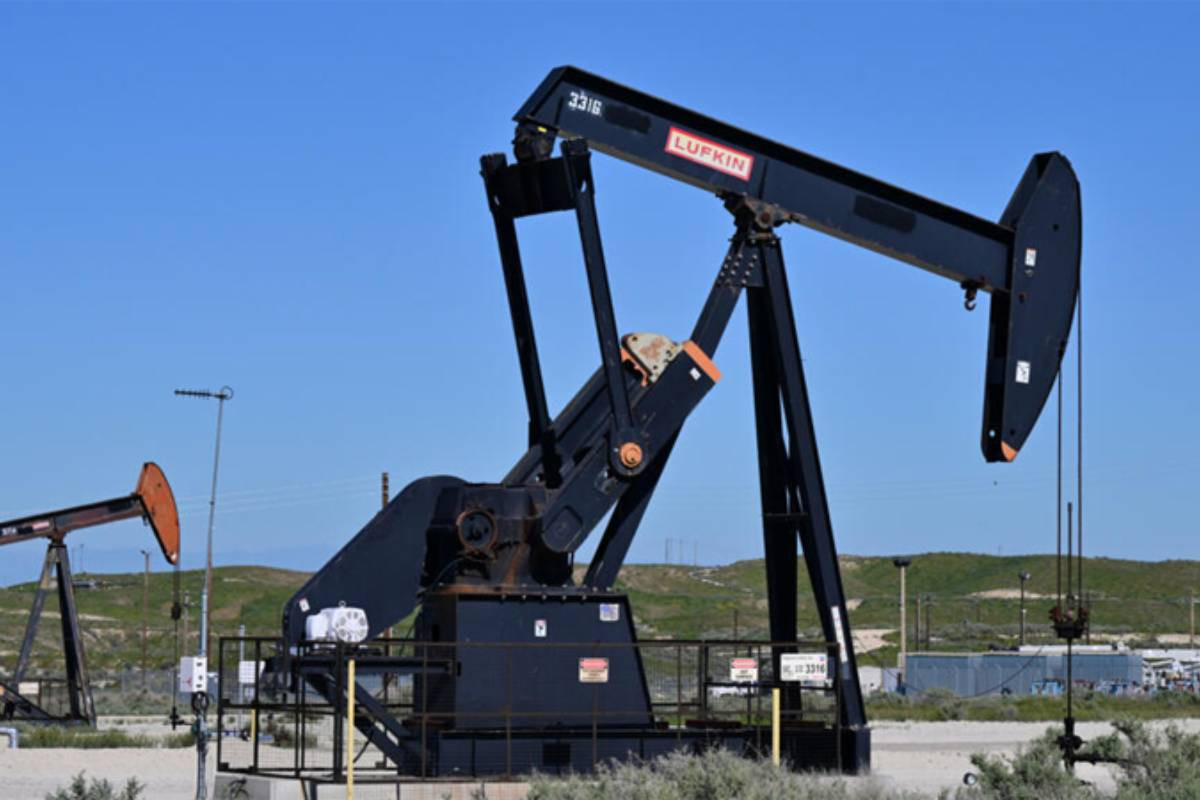
Both major crude benchmarks dropped more than 10 percent. The US benchmark West Texas Intermediate (WTI) fell to about $85.29 per barrel, while Brent crude declined to around $88.95 as of 0230 GMT.
The drop followed dramatic volatility a day earlier, when oil prices surged amid fears that tensions surrounding the Strait of Hormuz could disrupt global supply.
US stock markets rallied strongly following Trump’s comments. All three major indexes closed higher, with the Dow Jones Industrial Average rising 0.5 percent to 47,740.80. Earlier in the session, the index had fallen sharply before staging a rebound of more than 1,100 points.
The rally reflected easing concerns that the war could significantly disrupt global energy supplies and trigger broader economic instability.
Trump also said Washington would temporarily waive certain oil-related sanctions in response to turmoil in energy markets.
“We’re also waiving certain oil-related sanctions to reduce prices,” Trump told reporters.
His administration had earlier signalled it may ease restrictions affecting Russian oil exports, particularly shipments to India, in an effort to stabilise global supply.
Asian stock markets also advanced in early Tuesday trading as investor sentiment improved.
South Korea’s benchmark Kospi jumped more than five percent, while Japan’s Nikkei 225 rose more than three percent before paring some gains later in the session. Other regional markets also recorded solid advances amid hopes that the conflict may not escalate further.
Finance ministers from the Group of Seven industrialised nations are holding talks on the economic fallout from the war.
France’s finance minister said the G7 was “not there yet” regarding the release of strategic oil reserves but confirmed that the group stands ready to take such action if needed. Energy ministers from the G7 countries are also scheduled to meet Tuesday to discuss potential responses to energy market volatility.
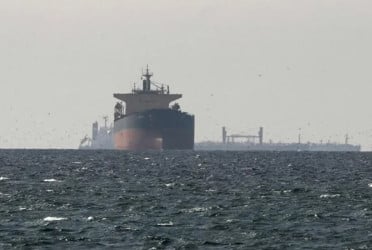
Governments are also working to secure key shipping routes. French President Emmanuel Macron said France and its allies were preparing a “defensive” mission aimed at reopening the Strait of Hormuz, a critical passage for global oil shipments.
Shipping data analysed by AFP from the tracking platform MarineTraffic showed several vessels in the Gulf altering their tracking signals to indicate Chinese connections, apparently in an attempt to avoid possible Iranian attacks.
Air travel has also been affected. Lufthansa and Air France have extended the suspension of flights to several Middle Eastern destinations.
Meanwhile, global shipping giant MSC announced it was halting certain export shipments from the Gulf because of the conflict, saying that “all affected cargo will be discharged”.
Countries around the world have begun implementing precautionary measures to shield their economies from rising energy prices.
Croatia, Hungary, South Korea and Thailand have introduced price caps on fuel to protect consumers. China has reportedly asked key oil refiners to suspend exports of diesel and gasoline in order to prioritise domestic supply.
In Africa, Nigeria’s Dangote mega-refinery said it would prioritise the domestic market to help prevent potential fuel shortages.
Japan is also preparing contingency plans. According to the Nikkei newspaper, authorities have asked operators of oil reserves to prepare for a possible release if supply disruptions worsen.
As the conflict continues, governments and markets remain on edge, closely monitoring developments that could further disrupt global trade, energy supplies and economic stability.
With input from agencies
Bd-pratidin English/ Jisan