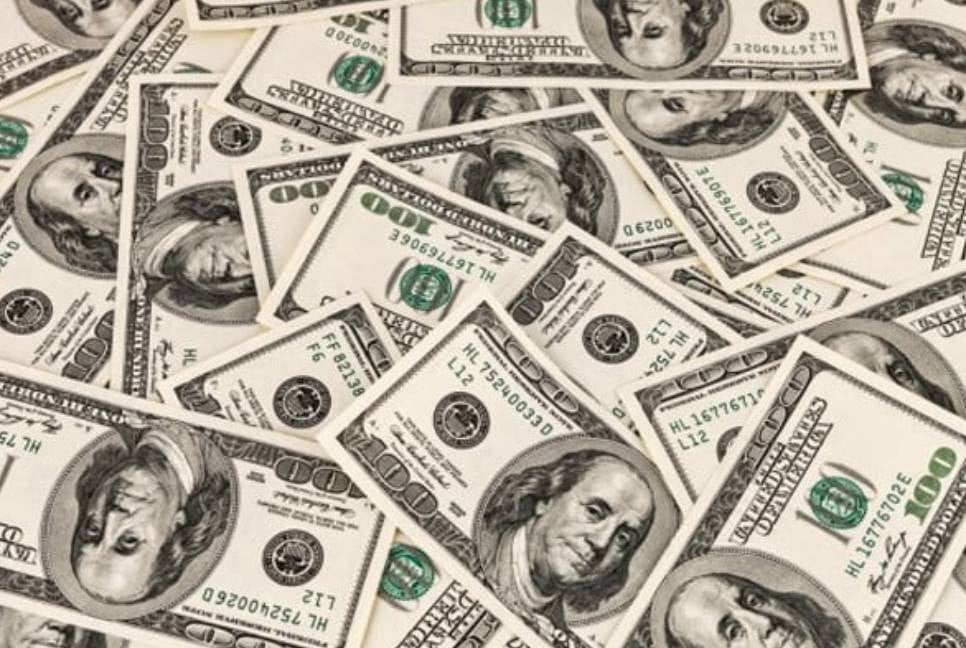
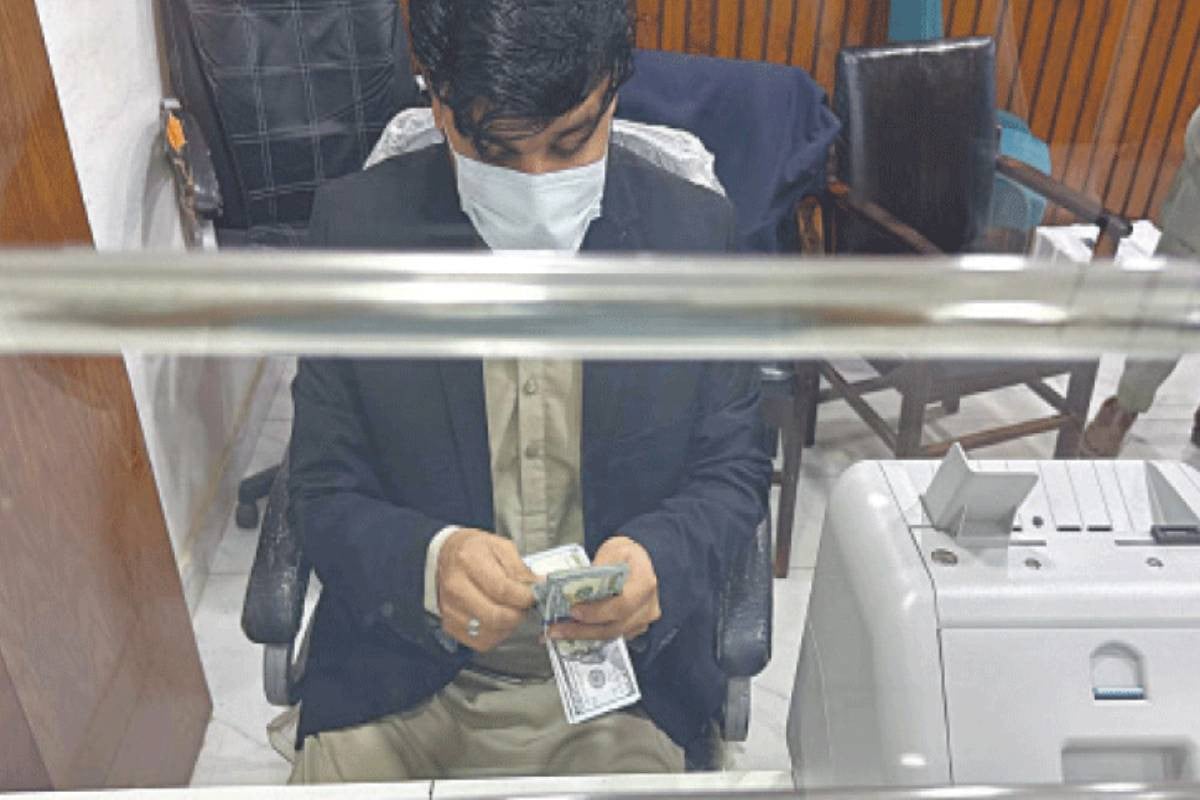
Despite repeated efforts by authorities, a severe shortage of US dollars continues to grip Pakistan’s open market, with many currency exchange outlets now “only selling what they buy”. The situation has caused growing anxiety among travellers planning trips during the holiday season or early next year.
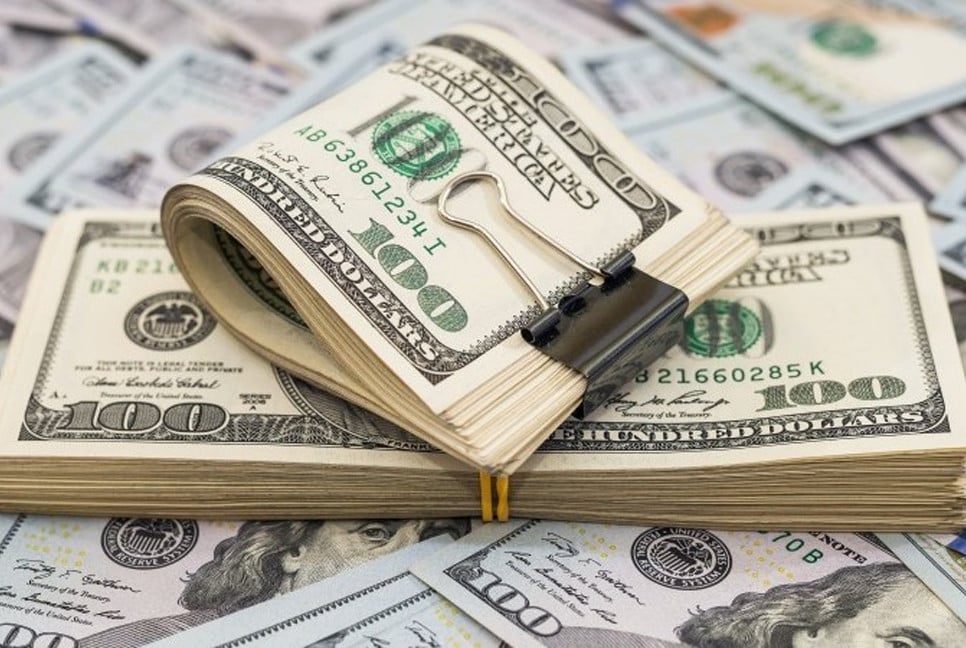
Visits to multiple exchange companies across the metropolis revealed that many dealers are struggling with depleted dollar reserves. Some have suspended dollar sales entirely, while others are rationing supplies, limiting customers to purchases of no more than $100.
Compounding the problem, several exchanges reported holding only old-design dollar notes, which are often unusable for travellers seeking to exchange currency at their destinations.
As a result, many passengers are being forced to purchase so-called exotic foreign currencies locally, often at unfavourable rates. One traveller heading to Malaysia at the end of November told Dawn they were unable to purchase dollars at the airport and had hoped to exchange them for ringgit upon arrival in Kuala Lumpur. Instead, just hours before departure, they paid an inflated open-market rate of Rs74.5 per ringgit.
According to the passenger, the rate should have been below Rs70. Data from Wise shows the mid-market exchange rate for the Malaysian ringgit during that period was approximately Rs68, confirming they suffered a significant loss.
The shortage has also affected non-speculative buyers, particularly students. A Lahore resident told Dawn they visited 11 exchange companies without success while attempting to secure dollars to cover a sibling’s overseas education expenses.
Market participants attribute the ongoing shortage partly to stricter standard operating procedures governing currency exchange. Earlier measures included mandatory biometric verification and the presentation of an original CNIC. More recently, a State Bank of Pakistan (SBP) circular dated November 14 requires exchange companies to issue cheques for customers purchasing dollars for deposit into foreign currency accounts. An additional circular has introduced facial-recognition verification, a requirement that poses challenges for women who wear the veil.
Despite these rules, inconsistencies persist. One exchange eventually agreed to sell dollars after accepting a digital CNIC, while three others consented to sell up to $100 upon presentation of an original CNIC. However, only five of the exchanges visited by Dawn were willing to sell dollars without hesitation, while seven outright refused.
An exchange company employee cited a lack of supply, noting that few customers were bringing greenbacks into the open market.
Exchange Companies Association of Pakistan Chairman Malik Bostan acknowledged the imbalance between demand and supply, saying that when a currency is unavailable, exchange companies are supposed to record customer details and arrange the required amount later.
Despite shortages at physical exchange counters, access to dollar-pegged digital currencies has expanded, even though such transactions currently violate SBP instructions for banks.
Pakistan Banks Association Secretary Mir Nejib Rahman said banks cannot engage with stablecoins or crypto-based payment rails until the SBP issues a regulatory and supervisory framework, which will only follow the release of detailed guidelines by the Pakistan Virtual Assets Regulatory Authority (PVARA).
Mr Bostan also expressed concern that illegal financial activity is increasingly shifting toward unregulated crypto channels. He cited remarks by the PVARA chairman referring to some 40 million crypto users who may have suffered losses following the recent drop in Bitcoin’s value. Experts have previously warned that persistent dollar shortages may signal increased hoarding, even as smuggling has largely been curtailed.
Dawn reached out to the State Bank of Pakistan for comment, but no response was received.
Bd-pratidin English/ Jisan