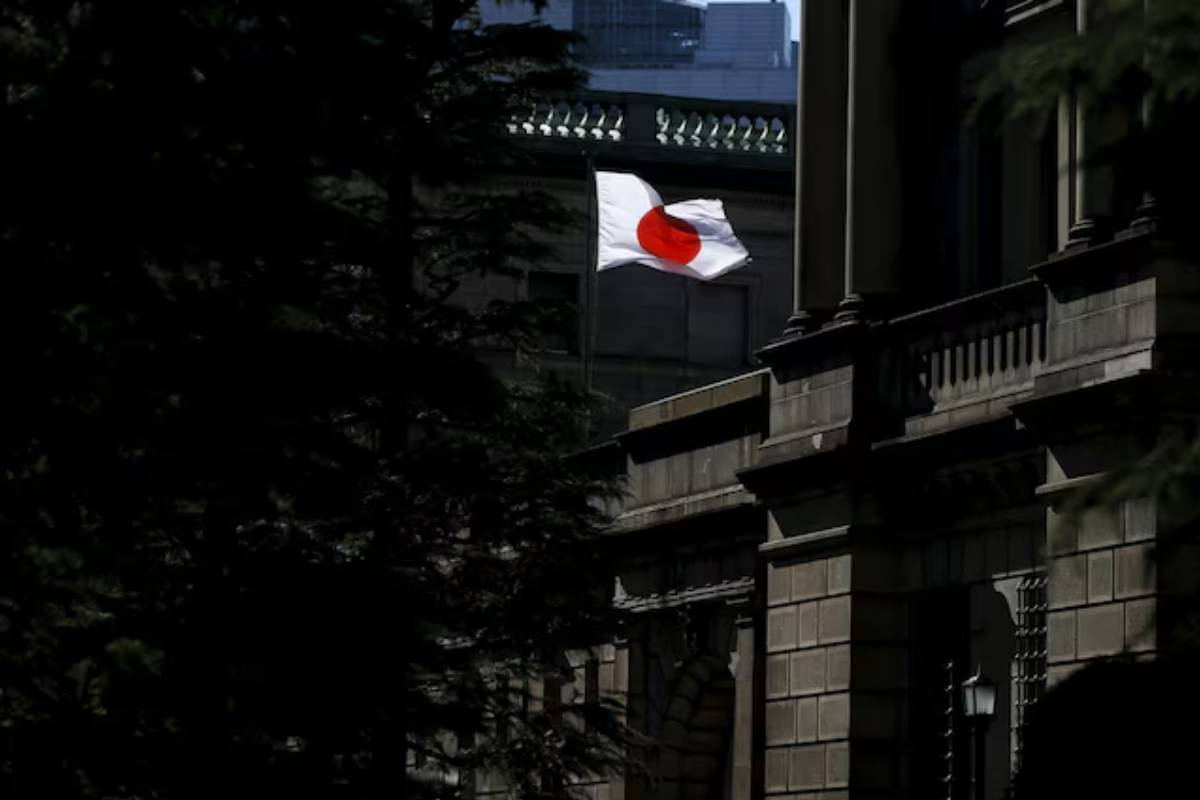
The Bank of Japan (BOJ) is set to raise interest rates on Friday to a three-decade high, signaling plans to continue hiking borrowing costs, closing 2025 with two rate increases despite challenges from U.S. tariffs and a dovish new prime minister, reports Reuters.
While the move will keep Japan’s policy rate low by global standards, it represents another significant step in Governor Kazuo Ueda’s efforts to normalize monetary policy in a country long accustomed to unconventional easing and near-zero rates.
With persistent food inflation keeping prices above the BOJ’s 2% target for nearly four years, the central bank is widely expected to raise short-term interest rates from 0.5% to 0.75% at a two-day policy meeting ending Friday. Sources told Reuters that the BOJ will emphasize its intention to continue raising rates, with the pace guided by the economy’s response to each hike.
Finance Minister Satsuki Katayama signaled alignment with the central bank, saying on Tuesday, “There’s no gap in the view on the economy,” indicating government tolerance for the 0.75% hike.
The expected move underscores the BOJ’s growing confidence that Japan is sustaining a cycle of rising inflation alongside solid wage gains—conditions the central bank considers necessary for pushing up borrowing costs. A rare ad hoc BOJ poll released Monday showed most branch offices expect firms to continue robust wage hikes next year amid intensifying labor shortages.
With Ueda having pre-committed to a December hike in a speech earlier this month, market attention is focused on his signals regarding the future rate-hike trajectory at Friday’s post-meeting press conference. BOJ policymakers have indicated a cautious approach, aiming to bring rates closer to neutral levels, estimated between 1% and 2.5%.
However, analysts note that Ueda faces pressure to temper hawkish signals to avoid triggering further yen declines, which could raise import costs and broader inflation. A weaker yen benefits exporters but could prompt retailers to pass on costs, straining households already facing falling real wages.
A survey by private think-tank Teikoku Databank found that the number of food and beverage items experiencing price increases rose to over 20,000 this year, up 64.6% from 2024, though the figure is expected to drop to around 1,000 in 2026. Analysts warn that accelerated yen declines could reignite price pressures, complicating the BOJ’s rate decisions next year.
The Japanese government has indicated readiness to intervene in currency markets to prevent sharp, disorderly yen falls, reflecting a shared preference with the BOJ against excessive depreciation.
Kei Fujimoto, senior economist at SuMi TRUST, noted that with the December rate hike already priced in, he does not expect significant yen appreciation. He added, “Both a weak yen and higher interest rates may push up consumer prices, corporate production costs, and funding costs, potentially weighing on business sentiment.”
Bd-pratidin English/ Jisan