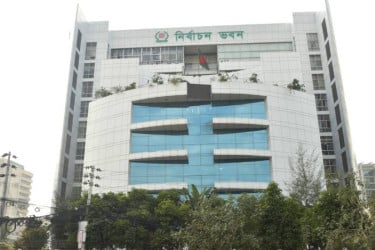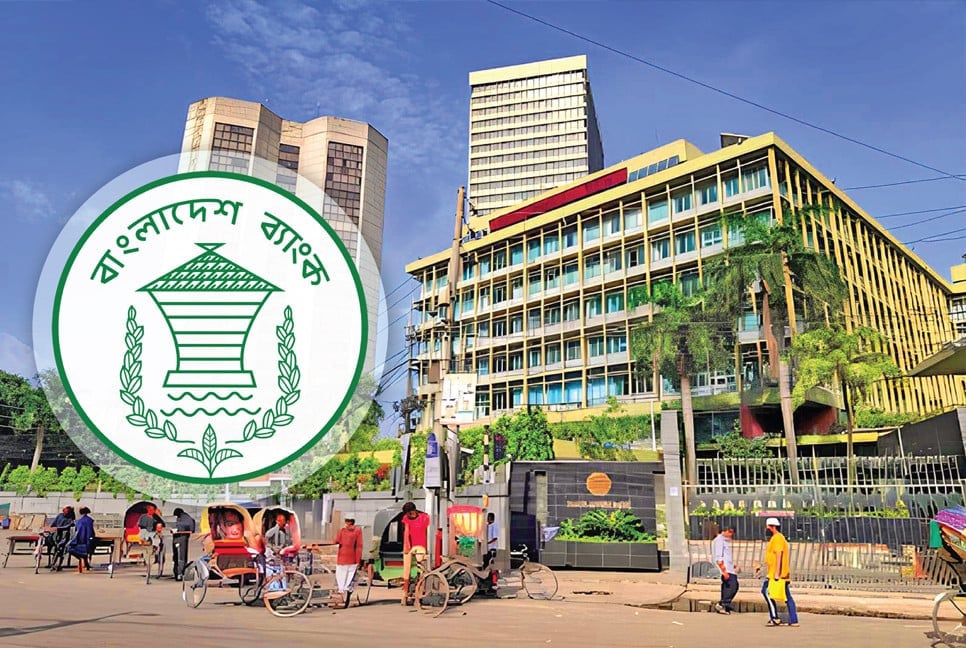
In a sweeping move seen as a major stimulus for industry and investment ahead of the national election period, the Bangladesh Bank has rolled out a series of regulatory relaxations aimed at easing import financing, restructuring defaulted loans and cleaning up bank balance sheets.
The measures spanning capital goods import, partial loan write-offs, relaxed rescheduling rules, and exit facilities are expected to reduce operational bottlenecks for businesses, unlock investment flows and bring relief to both distressed borrowers and commercial banks struggling under a record level of non-performing loans (NPLs).
Capital goods import made easier
In a circular issued on Wednesday, the central bank allowed industrial importers to bring in capital goods under usance terms of up to three years without requiring prior approval from the Bangladesh Investment Development Authority (BIDA).
Previously, the three-year tenure was only available for importing capital machinery. The new decision widens the scope to include other capital goods such as ships and industrial equipment.
Business leaders say the change will help manufacturers plan capacity expansion more efficiently, particularly in shipbuilding, steel, energy and export manufacturing. The circular cites a resolution in the 186th meeting of BIDA’s foreign loan scrutiny committee, chaired by the central bank governor.
Partial write-off permitted to tackle record NPLs
Perhaps the most impactful reform came last Thursday, when Bangladesh Bank introduced partial write-off of bad loans for the first time in the country’s history. Banks had previously been forced to keep non-recoverable loans on their books as long as partial collateral existed, artificially inflating their balance sheets.
Under the new guidelines, banks may now write off only the unsecured and uncollectible portion of a loan after accrued interest is removed. Collateral-backed value must still remain on the balance sheet and be recovered. Banks must also separately record uncharged interest and ensure that payments from borrowers are first adjusted against written-off amounts.
The policy aligns Bangladesh with global standards under Basel and IFRS, the central bank said, and is expected to bring transparency to capital adequacy and asset quality reporting. The change comes amid a historic peak in bad loans, which climbed to Tk6.44 lakh crore, nearly 36% of all disbursed loans by September 2025.
Lenient restructuring and exit rules
In another reform seen as easing business stress during political and economic transition, Bangladesh Bank has extended the deadline for distressed borrowers to reschedule loans at just a 2% down payment, pushing the cut-off to 30 November.
The regulator has also overhauled the exit facility: previously, a borrower’s loan remained classified during the entire exit period. Now, once the facility is approved, the borrower’s classification improves immediately removing them from the defaulters’ list and restoring access to non-funded facilities, including letters of credit (LCs). Quarterly repayment discipline has been made mandatory.
Additionally, a special rescheduling scheme has been opened for borrowers affected by policy discrimination, political disruption, utility failures, exchange rate volatility and global supply chain risks. Loans can be rescheduled for up to 10 years with a two-year grace period. Large loans above Tk300 crore will require inter-bank review meetings.
As policy relief expands, more than 300 companies— including some of the nation’s largest corporate borrowers—have already applied to restructure Tk2 lakh crore in loans. Bankers warn that while the relief may revive investment and employment, it could also perpetuate the non-payment culture if abused.
Still, with elections nearing and investment stagnating, many economists view the measures as a last-minute push to stabilise industry confidence.
“This is both cleaning the banking balance sheet and boosting investment sentiment,” one senior banker said, “but its success will depend on strict monitoring to distinguish genuine borrowers from habitual defaulters.”
Source:Daily Sun
Bd-pratidin English/ ANI