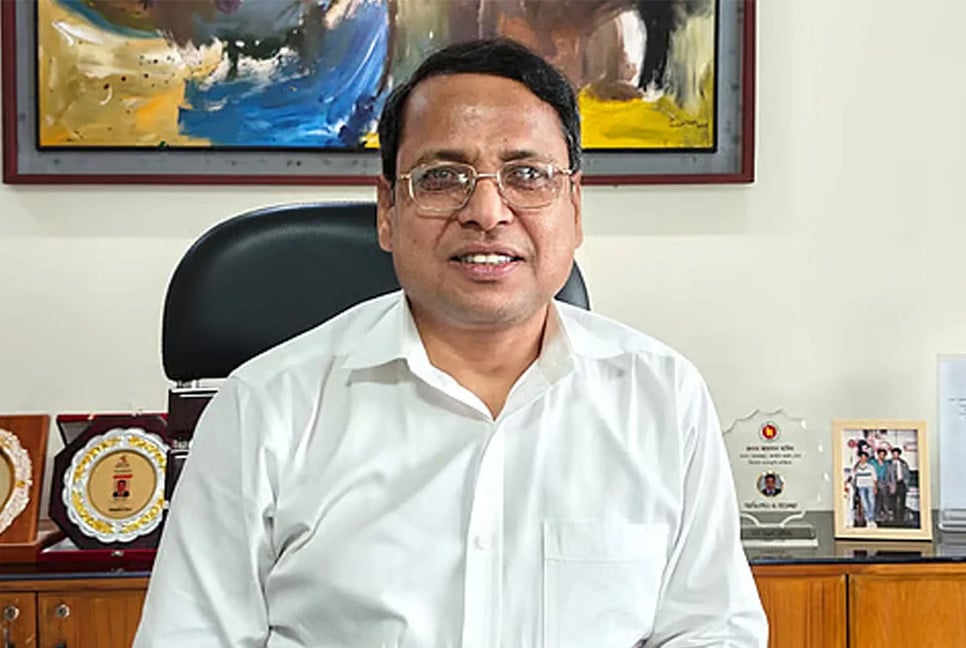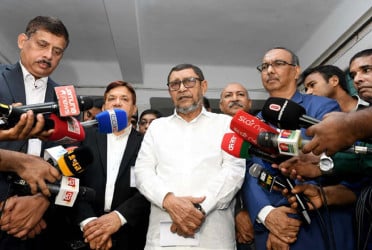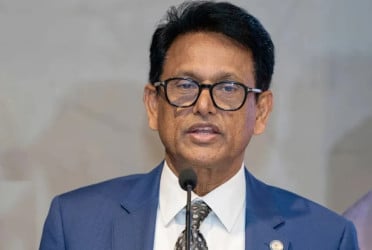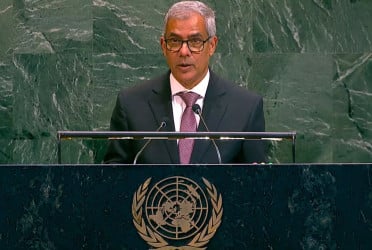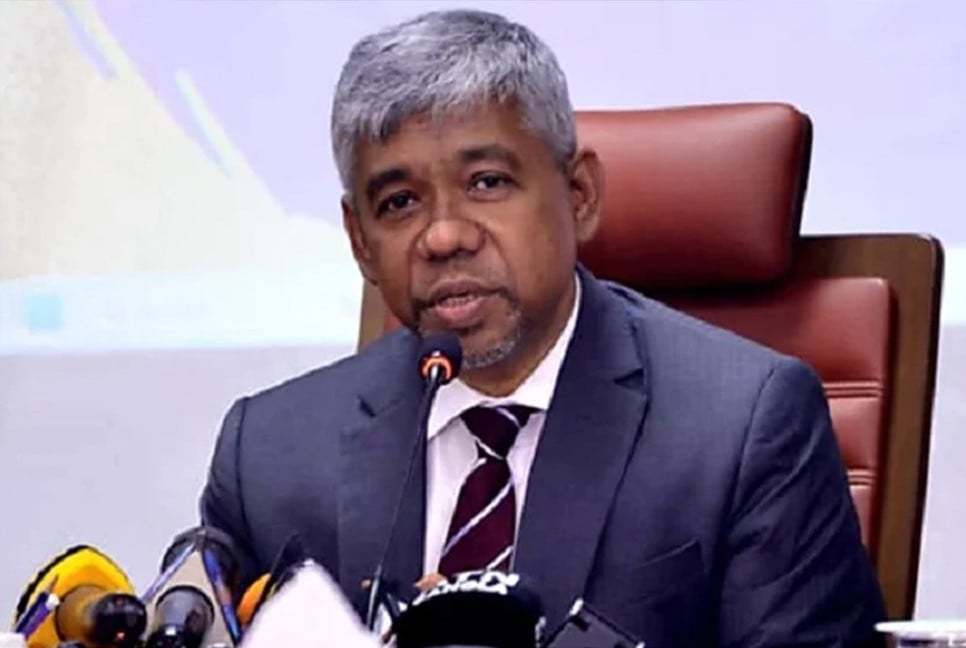
National Board of Revenue (NBR) Chairman Md Abdur Rahman Khan said the country has already slipped into a debt trap and must confront the problem directly if it hopes to regain stability.
The NBR chairman delivered one of the bluntest assessments yet of the country’s fiscal condition, saying, “We are already in a debt trap, and if we don’t acknowledge this truth, we will not be able to move forward.”
Abdur Rahman Khan on Monday issued the warning at a seminar in Dhaka, where policymakers and economists gathered for the launch of the Bangladesh State of the Economy 2025 and SDG Progress Report 2025, prepared by the General Economics Division (GED) of the Planning Commission.
His comments reflect growing concern over surging debt servicing, weakening revenue growth and rising fiscal stress.
CPD Distinguished Fellow Prof Mustafizur Rahman cautioned that Bangladesh risks borrowing simply to repay old debts unless it restores fiscal discipline and improves tax collection. Interest payments have risen so sharply that they now surpass allocations for agriculture and education, he said.
The NBR chairman also highlighted the steep fall in the tax-to-GDP ratio - from more than 10% a few years ago to roughly 7% today. He said the government must identify why revenue mobilisation has become so challenging across key sectors.
He also said the NBR will soon undergo major restructuring, to be split into two wings under separate secretaries during the interim government’s tenure. The event, held at the NEC Conference Room in Sher-e-Bangla Nagar, was attended by the Chief Adviser’s Special Assistant for the Ministry of Finance, Dr Anisuzzaman Chowdhury, as chief guest, with Bangladesh Bank Governor Ahsan H Mansur as special guest. Senior officials, academics and economists also participated.
Dr Anisuzzaman said the stabilising exchange rate, easing inflation and stronger remittance channels have helped restore confidence in the economy. Bangladesh, he noted, has absorbed several shocks without slipping into negative growth, but sustained, coordinated reforms are essential ahead of the country’s LDC graduation.
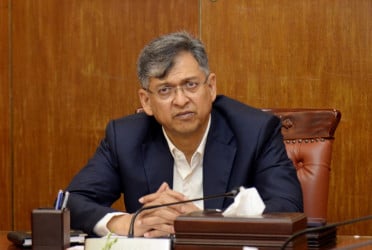
Bangladesh Bank Governor Ahsan H Mansur briefed the audience on the consolidation of five troubled banks. He said deposit insurance coverage has been raised from Tk1 lakh to Tk2 lakh, and refunds may begin within one to two weeks. The merged bank could return to profit within two years, he added, noting that about 7.6 million families will benefit from the enhanced deposit protection.
Former World Bank Lead Economist Dr Zahid Hussain said the economy is clearly under strain but has avoided a deeper breakdown due to social resilience, calmer political conditions and early reform efforts. He warned that this stability may not hold without uninterrupted elections and steady policy action.
Former Dhaka University Prof Mahbubullah said Bangladesh’s economic vulnerabilities stem from a deeper structural imbalance. He argued that decades of extraction, rent-seeking and uneven wealth redistribution have suffocated productive investment.
Inflation, a stagnant investment climate and an overreliance on a narrow export base will persist, he said, unless the country shifts from an accumulation-driven system to one centred on production.
‘Govt’s reform agenda facing resistance’
Chief Adviser’s Press Secretary Shafiqul Alam criticised sections of the business community for sending “mixed signals” and refusing to back key reforms, particularly port modernisation. Despite being the main beneficiaries, he said garment exporters have not publicly supported the initiatives.
He accused some business leaders of promoting misleading narratives about the economy while ignoring progress achieved over the past year. Selectively presenting poverty data and economic indicators, he said, has distorted public perception and weakened evidence-based debate.
Shafiqul added that misrepresentation of issues such as gas shortages and port delays has overshadowed the administration’s achievements. Job creation remains the government’s top priority, he said, and international investors view efficient ports as fundamental to Bangladesh’s competitiveness.
Despite resistance from certain quarters, he described the recent economic turnaround under Chief Adviser Muhammad Yunus as historic, saying the current macroeconomic management team may be the strongest since the reform periods of the late 1970s and early 1990s.
Bd-pratidin English/ ANI