U.S. President Donald Trump said Wednesday he may discuss Nvidia’s state-of-the-art Blackwell artificial intelligence chip with Chinese President Xi Jinping during their expected meeting on Thursday, reports Reuters.
Sales of Nvidia’s high-end AI chips to China have been a major sticking point in ongoing trade negotiations between the world’s two largest economies this year. Beijing has long criticized Washington’s export restrictions, which bar Nvidia from selling its most advanced AI processors to China. The U.S. government argues the curbs are necessary to prevent the Chinese military from acquiring sensitive technology.
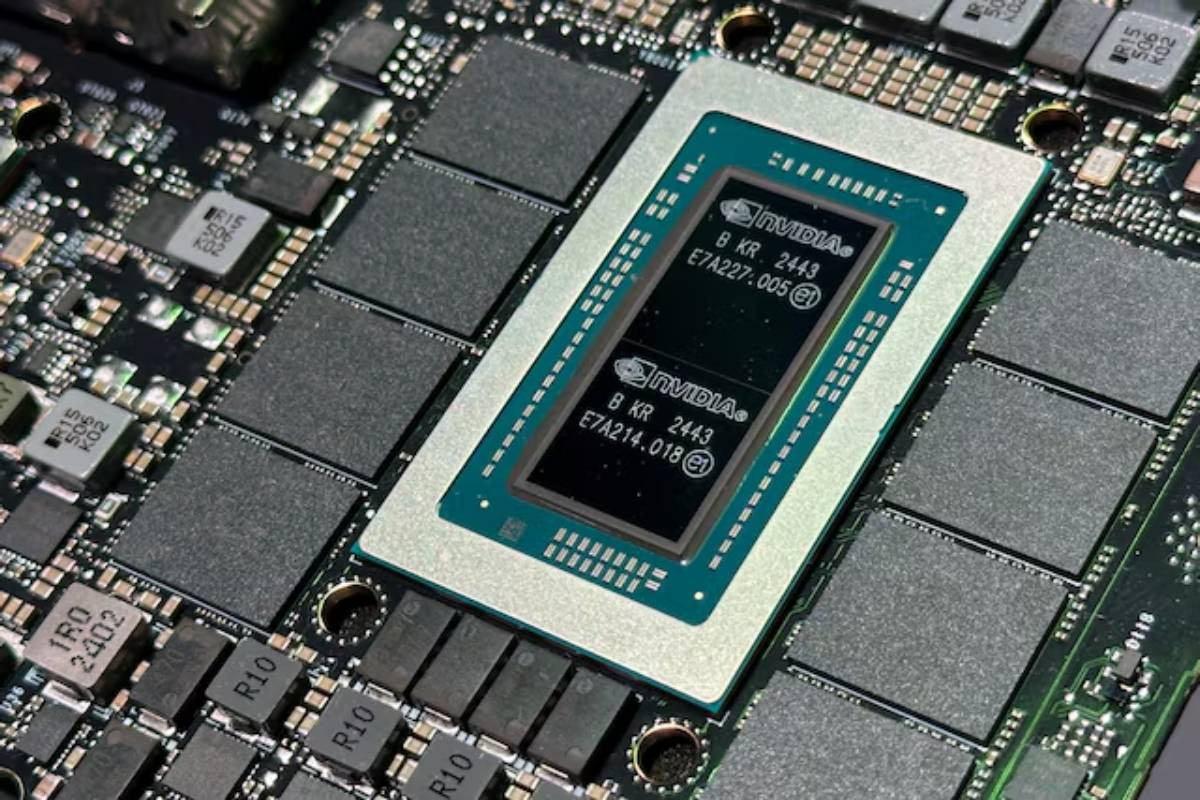
Speaking to reporters aboard Air Force One en route to Gyeongju, South Korea, Trump praised Nvidia’s Blackwell as the “super-duper chip,” adding, “I think we may be talking about that with President Xi.” He said he was “very optimistic” about the meeting, his first with Xi since returning to the White House.
In May, Reuters reported that Nvidia was developing a scaled-down version of its latest Blackwell chips for the Chinese market, designed to comply with U.S. export rules and offered at a significantly lower cost.
Nvidia CEO Jensen Huang said Tuesday that the company had not applied for U.S. export licenses for its newest chips, citing China’s current stance. “They’ve made it very clear that they don’t want Nvidia to be there right now,” Huang said at the company’s developer conference. He added that access to China’s market was critical for funding U.S.-based research and development.
“I hope that will change in the future because I think China is a very important market,” he said.
Successive U.S. administrations have debated whether allowing Nvidia’s advanced chips into China would make Beijing more dependent on U.S. technology or strengthen its military and tech sectors.
In response to the export restrictions, Beijing has urged Chinese firms to buy and develop domestic alternatives. However, Chinese developers continue to seek Nvidia’s chips, citing limited availability and lower performance of domestic products from companies such as Huawei, Reuters has previously reported.
Bd-pratidin English/ Jisan