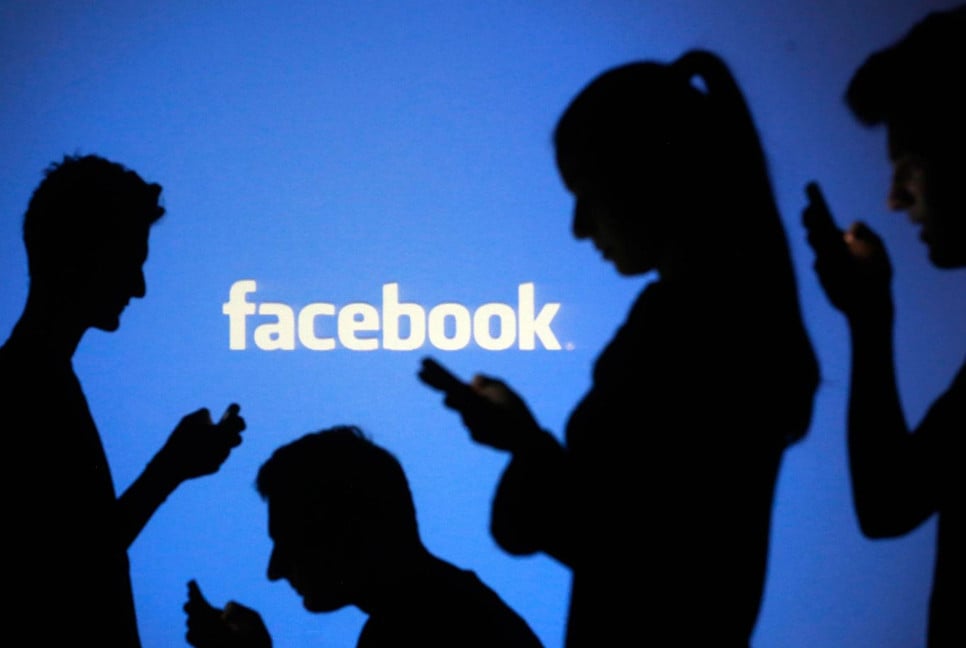
The dark side of Facebook includes serious privacy concerns, negative mental health impacts, and its role in spreading misinformation. The platform has been criticized for its data collection practices, including tracking user activity on third-party websites, sharing user data without consent, and using facial recognition technology. It can also contribute to social media addiction, sexual jealousy, stress, and attention issues for its users. Furthermore, Facebook's algorithms can amplify misinformation, impacting public discourse and news distribution.
Privacy issues
- Data collection and tracking: Facebook tracks user activity on other websites through features like the "like" button.
- Lack of transparency: The company has been accused of sharing private information and health data from apps without user consent.
- Privacy settings: Location privacy has been compromised regardless of user settings.
- Information scraping: Facebook has been accused of scraping contact information from users.
Psychological and physiological effects
- Addiction: Social media addiction can be comparable to drug addiction in some cases.
- Negative emotions: Use can lead to feelings of sexual jealousy, stress, and a lack of attention.
- Mental health: Research has linked heavy use to negative psychological outcomes.
Societal impact
- Misinformation: Algorithms can promote the spread of false information and "fake news".
- Political influence: Facebook's influence on news distribution and political discourse has been a major point of criticism.
- Workplace issues: There have been concerns about employer-employee account disclosure and monitoring.
Source: International websites
Bd-pratidin English/Lutful Hoque