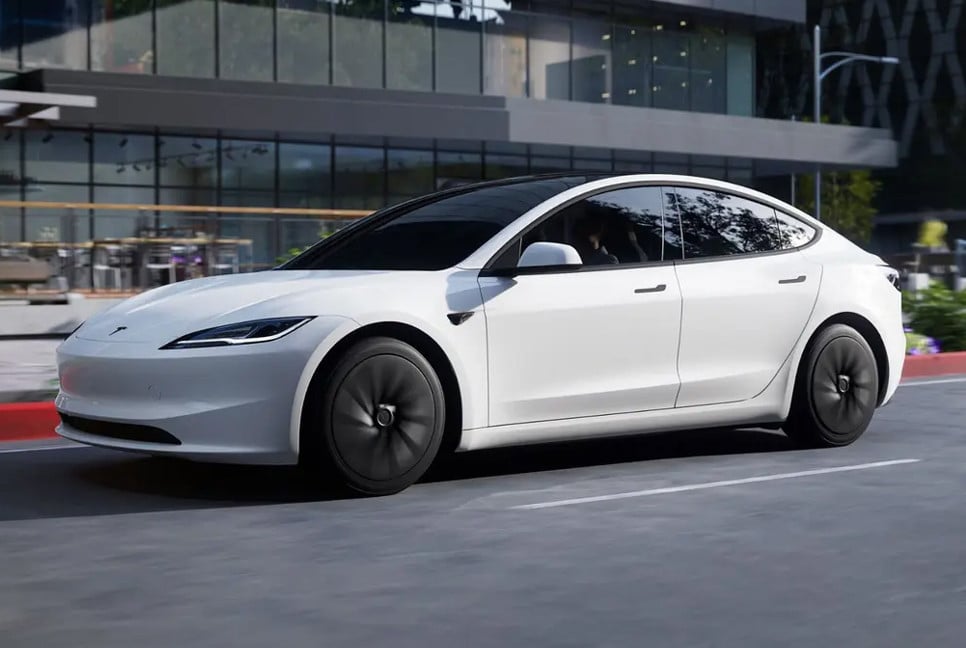
Tesla has introduced lower-cost versions of its popular Model Y SUV and Model 3 sedan, with starting prices of $39,990 and $36,990, respectively.
However, some critics argue that these prices remain too high to attract a broader base of buyers.
CEO Elon Musk had previously emphasized that a sub-$30,000 price point after incentives was essential for reaching a wider market.
The move comes as Tesla seeks to boost demand amid declining sales, increased competition in China and Europe, and the recent expiration of a $7,500 U.S. federal tax credit.
To cut costs, the new Standard versions of the vehicles forgo certain premium materials and features but still offer over 300 miles (480 km) of driving range.
Tesla shares dropped 4.5% following the announcement. Notably, Wedbush analyst and long-time Tesla supporter Dan Ives expressed disappointment, pointing out that the new models are only about $5,000 cheaper than the next-tier trims.
Without the tax credit that was available as recently as September, these new versions are actually more expensive than the cheapest U.S. Tesla models offered just a month ago.
Musk has for years promised mass-market vehicles, though last year he canceled plans for an all-new $25,000 EV. Instead, he chose to build lower-priced versions based on Tesla's current models, sparking concerns among investors and analysts that the cheaper cars would cannibalize sales of existing vehicles and limit growth.
"It's basically a pricing lever and not much of a product catalyst," said Shay Boloor, chief market strategist at research firm Futurum Equities. "I don't see it as unlocking new demand at scale."
Fearing a drop in demand after losing the tax credits, some automakers in the U.S. have already cut prices while some others have figured out mechanisms to effectively extend the benefit of the incentives.
Source: Reuters
Bd-pratidin English/ ANI