Bribery has become a contagious disease woven into every stage of life in Bangladesh — from birth to death. Hardly any service can be obtained without paying extra money under the table. Ordinary citizens are being forced to spend beyond the official fees to secure birth certificates, death certificates, inheritance documents and countless other essential services. Almost every sector tied to citizens’ legal and fundamental rights has become trapped in a cycle of corruption and irregularities, making daily life increasingly unbearable for the public.
A child’s first official recognition by the state comes through a birth registration certificate. Yet obtaining this basic document often turns into a painful ordeal. Although the government fee is nominal, the dominance of middlemen and the alleged collusion of certain officials force applicants to pay several times more than the prescribed amount. The same pattern continues when families seek death certificates or inheritance certificates after the death of a relative. An unwritten rule appears to have taken hold across public service sectors — files do not move without money changing hands.
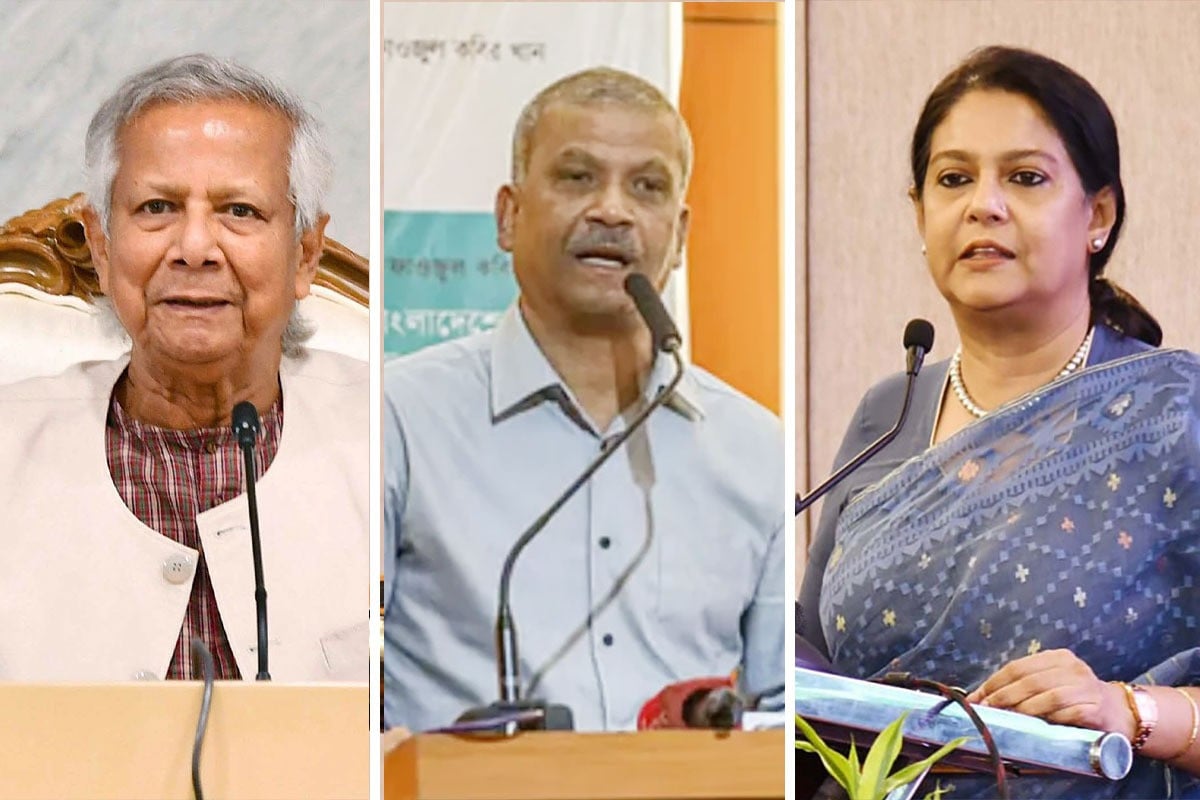
Speaking to the media, Dr Iftekharuzzaman, Executive Director of Transparency International Bangladesh, said those involved in bribery networks must be brought under accountability.
“The government has repeatedly declared its stance against corruption. Yet bribery, extortion and commission trading existed during the interim administration and continue even now. We had hoped these practices would stop and that strict action would be taken against corruption. The state machinery has the capacity to curb bribery and extortion if implemented properly, but that is not happening because those benefiting from corruption are linked to power in one way or another — whether through politics, bureaucracy or other influential circles,” he said.
He added that a strong message must come from the highest levels of government, warning that irregularities have now become rampant. “If these practices are not controlled immediately and exemplary punishment is not ensured, the situation will deteriorate further,” he added.
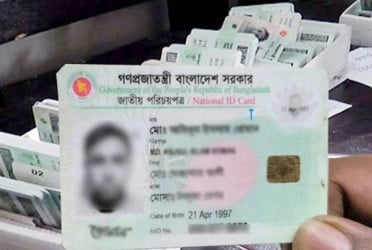
Ordinary citizens reportedly face the worst harassment when attempting to correct or obtain passports and national identity cards. Applicants are allegedly forced to return repeatedly over minor errors in forms, while solutions often remain impossible without paying large sums through brokers. Such practices have reportedly become routine in passport offices.
Several service seekers at the Jatrabari Regional Passport Office alleged last Tuesday that officials subjected applicants to unnecessary questioning if they tried to submit forms without using brokers. Even after repeated corrections, applications were allegedly rejected on various pretexts. As a result, many applicants eventually turned to brokers to avoid further suffering.
When this correspondent approached a broker posing as a service seeker, a man identified as Saiful Haque allegedly demanded between Tk2,000 and Tk5,000 beyond the official fee to resolve routine issues. He also claimed that major corrections, including age changes or passport modifications according to new national ID information, could cost anywhere between Tk50,000 and over Tk100,000.
A service seeker named Arafat from the Kadamtali area said his application was initially rejected. Later, after paying Tk2,000 to a broker outside the office gate, he re-entered the office, stood in line again and successfully submitted his application.
Allegations of irregularities are not confined to passport offices. Patients seeking treatment at government hospitals also reportedly face widespread corruption. Complaints include demands for extra money for hospital beds, medical tests, operation schedules and ambulance services. Patients and their relatives allege that ward boys often demand money before arranging beds, while securing an ICU bed has become almost impossible without influence or payments.
Bribery is also reportedly rampant in registry offices, land offices and sub-registry offices. Citizens allege that additional payments are routinely demanded for land mutation, correction of land records and deed registration beyond official fees. Obtaining approval for land-related files without bribery has become nearly unimaginable.
Last Monday, Mohammad Ali of the Goran area in Khilgaon visited the Tejgaon Land Registry Office for a service. He alleged that officials demanded a substantial amount beyond the government fee, forcing him to negotiate through a third party and eventually pay extra money to resolve the matter.
The ordeal begins even with birth registration for newborn children. Many union parishads and municipal offices allegedly demand additional money beyond the official fee, while applications often remain pending for long periods if payments are not made.
Shahadat Hossain, a resident of Mirbagh in Dhaka, applied for his son’s birth registration at the Dhaka North City Corporation Regional Office on 14 May. Under normal procedures, the registration should have been completed within two or three days. However, after failing to receive the document, he contacted a computer shop operator named Saiful and managed to secure the registration within a day by paying Tk1,200.
Another victim, Rafiqul, said he had to visit the office several times before finally obtaining the document quickly after paying extra money through a broker.
Suraiya Begum, who visited the same office for services, expressed frustration, saying: “I never realised that there is no peace even from birth until after death unless one comes to these offices. I have been running around for three months because of a minor mistake. In the end, the work was completed only after paying extra money to a broker.”
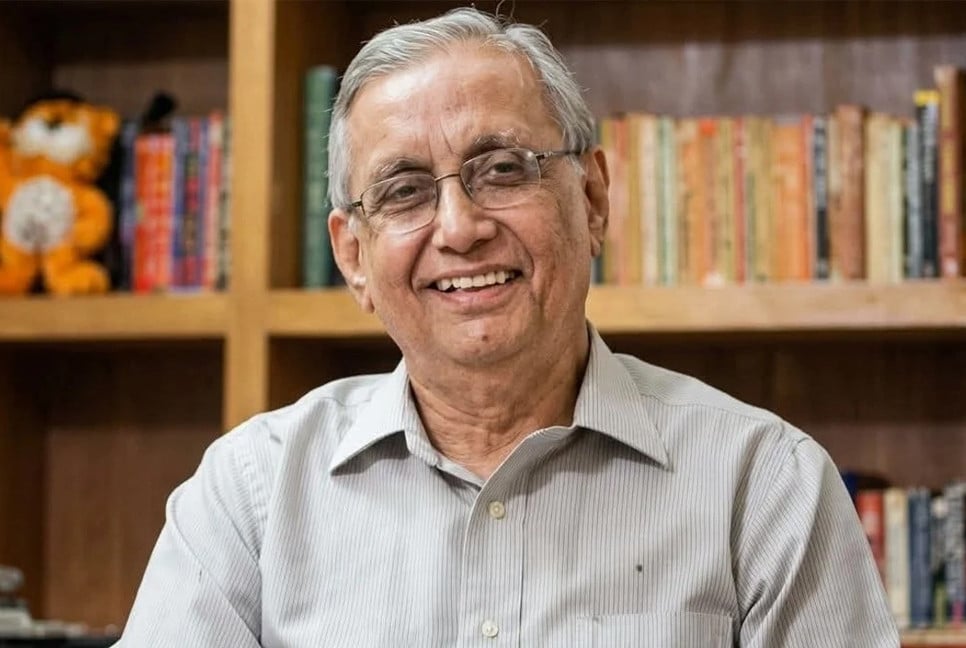
Speaking to the media, Badiul Alam Majumdar, secretary of SHUJAN, said the government must take strict action to stop bribery in public services.
“Those involved in these crimes must face exemplary punishment. Citizens must also become more aware,” he said, adding, “If we are forced to return to the old system again, then the sacrifices of so many martyrs will have been in vain.”
Obtaining a driving licence from the Bangladesh Road Transport Authority or registering a new vehicle has also reportedly become synonymous with bribery. Despite repeated initiatives to eliminate corruption, bribery in these services has become an open secret. Similar allegations exist regarding flat registration and land mutation, where applicants are often harassed over documentation unless extra payments are made.
Beyond these services, citizens also allege facing bribery demands when seeking unmarried, widow or widower certificates; inclusion in lists for the landless and destitute; old-age, widow and disability allowances; freedom fighter allowances; VGD, VGF and Kabikha card services; land record extraction; e-mutation applications; small and cottage industry loans; and even legal support related to dowry and violence against women. Without paying bribes, ordinary people often find themselves trapped in prolonged harassment and bureaucratic suffering.
Bd-pratidin English/TR