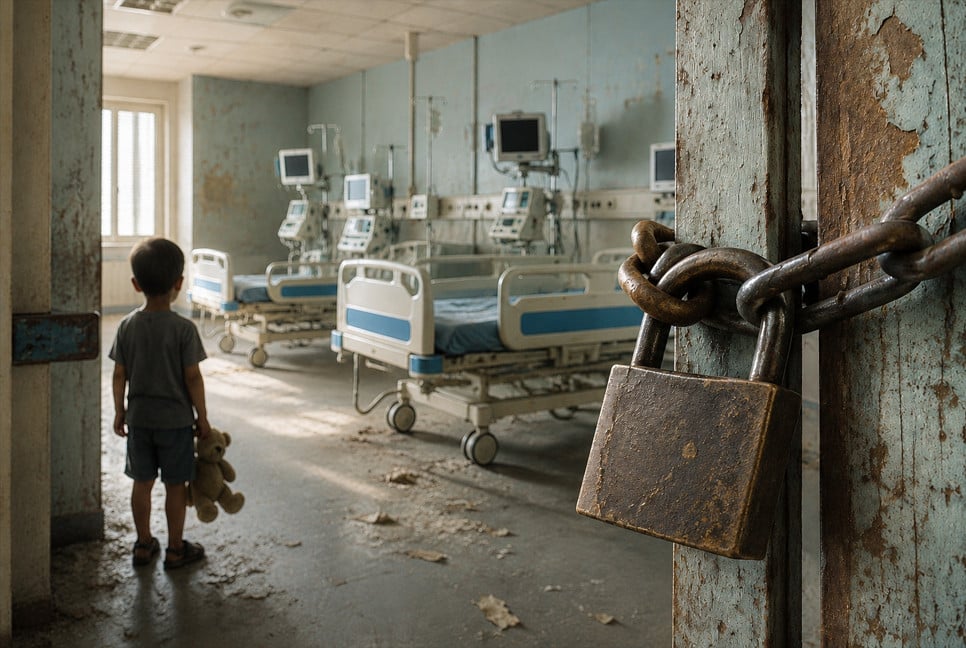
Cancer cases are rising steadily across Bangladesh, with growing numbers of people being diagnosed with breast, lung, cervical, liver, oral, esophageal, blood, and stomach cancers. Alongside the health crisis, the high cost of treatment has emerged as a major challenge, forcing many families to exhaust their savings, sell assets, and take on debt to afford medical care.
Experts attribute the growing number of cancer cases to tobacco use, food adulteration, lifestyle changes, environmental pollution, and infections.
They note that many cancer cases were not diagnosed in the past, but with improved detection and diagnosis, the number of reported cases now appears higher.
A visit to the National Institute of Cancer Research and Hospital revealed that patients are having to stand in long queues for radiotherapy. Many are unable to get appointments earlier than three months.
Salma Begum, 52, from Faridpur, came to the cancer hospital after being diagnosed with oral cancer at a local hospital. Doctors told her that prolonged use of tobacco products, including zarda and betel nut, contributed to her illness.
“I have been chewing betel leaf for many years. I also use gul and white tobacco powder. Doctors advised me to stop, but I could not quit because of addiction,” she said. “I came here for radiotherapy, but the appointment is four months away. We cannot afford private treatment. I do not know whether I will survive until my turn comes.”
Professor Dr. Sohel Reza Choudhury, Head of the Department of Epidemiology and Research at the National Heart Foundation Hospital and Research Institute, told Bangladesh Pratidin that nearly 200,000 people die every year in Bangladesh due to tobacco-related diseases.
“People are dying from lung cancer, oral cancer, and various other illnesses caused by tobacco use. The health and environmental damage from tobacco amounts to nearly Tk 87,000 crore annually. To protect the country from these massive losses, tobacco control laws must be properly enforced, and effective taxes and price increases on tobacco products are urgently needed,” he said.
He further emphasized that higher taxes on tobacco products are essential to protect the younger generation from tobacco addiction. “If effective measures are not taken now, the burden of cancer and other non-communicable diseases will become even more devastating in the future,” he warned.
Experts say that although the number of cancer patients is rapidly increasing, healthcare infrastructure, radiotherapy machines, and skilled medical personnel have not expanded at the same pace. As a result, many patients face delays in starting treatment, while others are forced to discontinue treatment midway.
According to data from the World Health Organization (WHO) and the Global Cancer Observatory, approximately 156,000 new cancer cases are diagnosed annually in Bangladesh, while more than 100,000 people die from the disease each year.
Dr. Muhammad Sakhawat Hossain, Assistant Professor at the National Institute of Diseases of the Chest and Hospital, said lung, oral, and liver cancers are most common among men, while breast and cervical cancers are most prevalent among women. He added that cancer rates among children, including blood cancer, are also increasing.
Cancer treatment costs are now beyond the reach of many middle-class families. A research report published on May 7 by the Bangladesh Institute of Development Studies (BIDS) found that 79 percent of healthcare expenses in the country are paid directly out-of-pocket by individuals.
The report reflecting medical expenses noted poor families spend up to 35 percent of their total income on healthcare. Due to the high costs associated with diseases like cancer, many families have fallen below the poverty line, while countless others remain at risk.
According to the report, an average family in Bangladesh spends Tk 3,454 per month on healthcare, accounting for 11 percent of total household expenditure. Poor households spend nearly 35 percent of their income on healthcare, compared to only 5 percent among wealthy families.
Urban families spend an average of Tk 4,192 per month on medical treatment, while rural families spend around Tk 3,109.
The average hospital treatment cost for a cancer patient is approximately Tk 224,000. Among hospitalized patients, the largest expenses are for medicines, diagnostic tests, surgery, and hospital bed charges. Medicines account for 26 percent of total hospital expenses, diagnostic tests 17 percent, and surgery 23 percent.
A study published last year in “the International Journal for Equity in Health” found that the average annual cost of cancer treatment in Bangladesh is more than twice a family’s total annual income. Nearly 90 percent of families rely on loans, selling land, breaking savings, or financial support from relatives to continue treatment.
The study also found that 78 percent of families are forced to borrow money, 40 percent sell assets, and many suffer severe financial hardship while trying to pay for cancer treatment.
Bd-pratidin English/ ANI