The capital, Dhaka, is now grappling with a multifaceted crisis. Across neighbourhoods under the two city corporations, juvenile gangs have become rampant, while drugs are being sold openly. The toxic spread of extortion rackets has made ordinary people’s lives unbearable. Shielded by influential quarters, these criminal syndicates are becoming increasingly reckless by the day.
Although law enforcement agencies have declared a “zero tolerance” policy, the reality on the ground tells a different story. At the same time, residents are suffering from the unchecked dominance of auto-rickshaws, piles of waste and a severe mosquito infestation, while ward offices are failing to provide basic civic services efficiently. Prolonged delays in development projects have further multiplied public suffering. Burdened by these crises, the two city corporations are now virtually on life support.
Juvenile gangs rule the backstreets
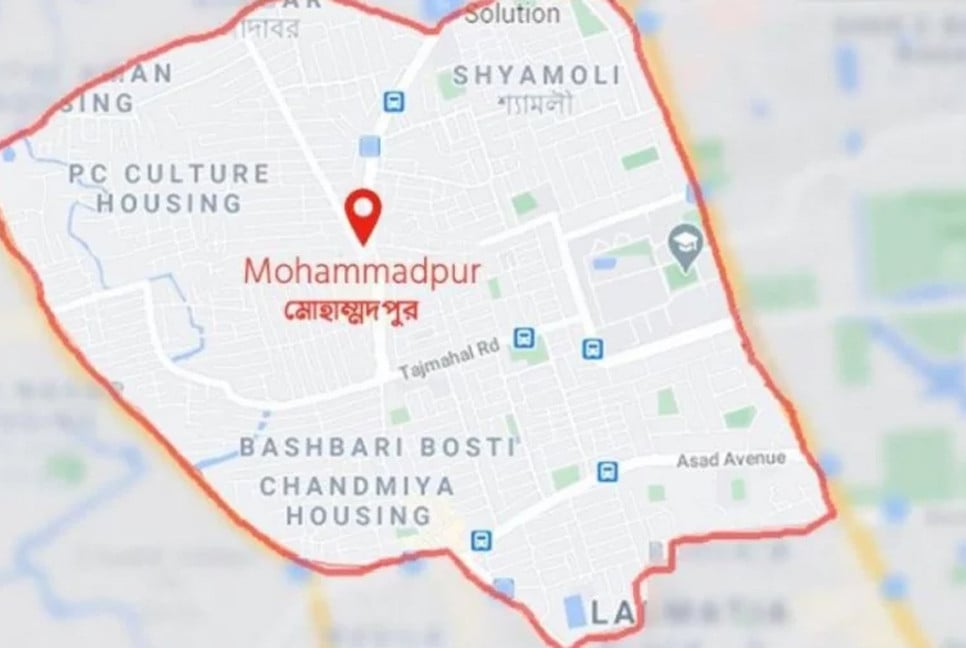
Members of juvenile gangs are becoming increasingly violent and unruly with each passing day. They have turned the capital’s alleys and neighbourhoods into zones of fear, establishing an unofficial reign across many areas. From mugging and murder to drug dealing and extortion, these gangs are competing to dominate criminal activities. Neither pedestrians nor members of law enforcement agencies are spared from their attacks. According to Dhaka Metropolitan Police (DMP) data, there are 118 gangs operating in the capital with several thousand members. Mohammadpur alone has 16 gangs, Pallabi 14, while Darus Salam and Banani each have six active groups. These gangs possess everything from locally made sharp weapons to sophisticated firearms.
Dhaka flooded with drugs as godfathers increase
A recent intelligence report revealed that Dhaka has 231 drug godfathers, alongside 1,102 wholesale dealers and 2,489 retail sellers. Relevant sources said that 22,857,751 yaba tablets were seized nationwide in 2024, while the figure surged to 43,562,811 tablets in 2025 — more than double the previous year. Most of these consignments were destined for Dhaka. Not only yaba, but also cannabis, heroin, cocaine, kush, crystal meth and phensedyl are now readily available. These narcotics are reportedly being sold openly in parks and beneath flyovers.
Extortion everywhere, residents exhausted
A resident of Jatrabari said that when truckloads of bricks and sand were brought for construction work at his home, the nephew of a local influential figure obstructed the unloading and demanded Tk150,000 in extortion money. He also insisted that bricks, sand, cement and rods be purchased through them. Extortion is now widespread not only in construction work but also in pavement shops, auto-rickshaw operations, scrap cloth trading, illegal parking of buses and trucks, waste management businesses, cable television services, scrap shops and makeshift markets on government land. The situation has reached such an extent that city dwellers feel compelled to pay extortion money at every step. During the first five days of a special DMP drive, 210 extortionists were arrested. However, public concern is growing over the fact that no major godfather behind these rackets has yet been detained.
Asked about the matter, DMP Deputy Commissioner (Media) N M Nasiruddin said special operations had been intensified to curb juvenile gangs, extortion and drug trafficking. Patrol activities have also been increased, while regular checkpoints, block raids, CCTV footage analysis and intelligence-based operations are being conducted to bring offenders to justice. “No one will be spared if found involved in crime,” he said.
Unchecked rise of battery-run vehicles
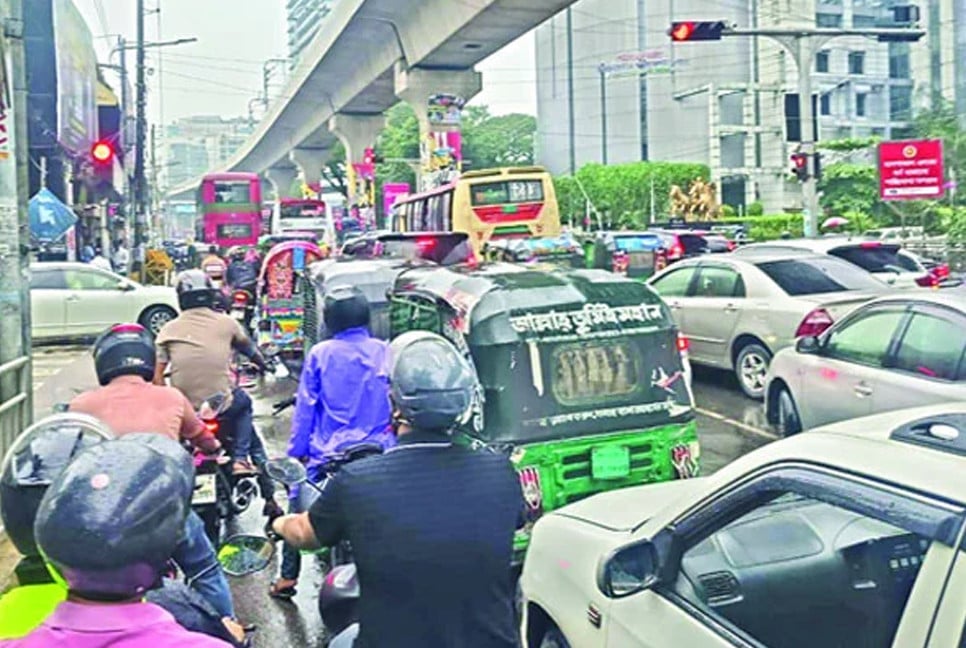
The dominance of easy bikes and auto-rickshaws is increasing on both major roads and narrow lanes across the capital. Currently, an estimated 1.2 to 1.5 million battery-run auto-rickshaws operate in Dhaka alone, with the number rising rapidly over the past year. There are also more than 15,000 garages, including over 900 in Kamrangirchar — the highest in the city — followed by Mohammadpur, Uttara, Mirpur, Rampura and Badda. Some garages are even manufacturing auto-rickshaws using their own technology.
City corporations crippled by multiple problems
With no elected councillors in place, ward offices have effectively become ghost offices. Citizens now have to wait months for 14 essential services, including birth and death registration, inheritance certificates, character certificates and citizenship certificates. Previously, a councillor’s signature was enough, but now residents must chase after officials appointed by the administration.
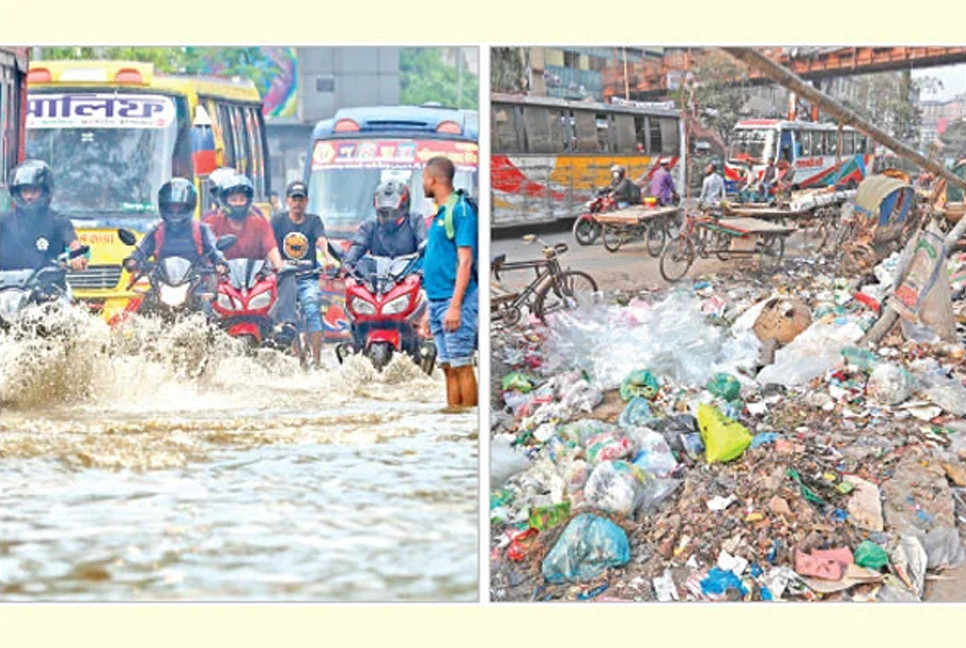
At the same time, cleanliness drives have become limited mainly to major roads. As waste is not removed regularly from neighbourhood streets, overflowing bins are spilling rubbish onto roads. In the intense heat, the stench from rotting waste has become a serious public health threat. In many extended areas of both Dhaka North and Dhaka South City Corporations, drains have not been cleaned for months, causing blockages and halting water flow. Residents fear severe waterlogging during the upcoming monsoon if the drains are not repaired immediately.
Despite the rising dengue outbreak nationwide, mosquito control measures by city corporations remain largely confined to paper. While fogging operations used to be carried out regularly in wards, they are now only seen occasionally. Due to the slowdown in fogging and larvicide activities, mosquito infestation has multiplied significantly. Although many corporation warehouses reportedly have adequate mosquito control chemicals, there is a shortage of manpower and proper supervision for their application.
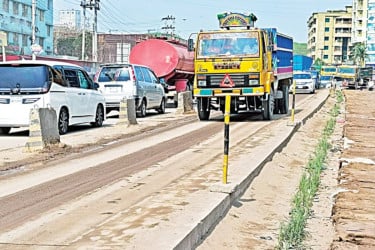
Moreover, hundreds of projects involving road repairs, drainage improvement and pavement renovation remain stalled midway. Even light rainfall now submerges many parts of the capital, highlighting what many see as a serious administrative failure. Hawkers, once confined to pavements, are now reportedly being allowed onto roads by city corporations, worsening traffic congestion. At the same time, city authorities have leased out street parking facilities on roads.
Urban expert and Institute for Planning and Development (IPD) Executive Director Professor Dr Adil Mohammad Khan said rising crime was linked to police inactivity, the absence of local councillors and weak community structures. “Open mugging, drug dealing, juvenile gangs and extortion have increased several-fold, and local political leaders are behind many of these activities,” he said. He also noted that city corporation services had deteriorated sharply, while civic services, waste management failures, mosquito infestations and waterlogging had all worsened. “Easy bikes and auto-rickshaws have become a major nuisance,” he added.
To resolve the situation, he suggested increasing police patrols alongside stronger involvement from local political leaders and community groups. He also stressed the need for swift elections to ensure elected representatives are in place, arguing that accountability among public representatives helps control extortion and terrorism while improving civic services.
Dhaka South City Corporation Chief Executive Officer Md Zahurul Islam said mosquito control operations were ongoing and monitoring teams were active. He added that the South City Corporation had initiated a larva survey for the first time, which would help strengthen anti-mosquito measures further. He also said cleaning workers had been warned to ensure no roads remain dirty, while urging citizens to be more aware and responsible. Regarding battery-run rickshaws, he acknowledged the challenges posed by the vehicles and said the ministry was preparing a policy framework, after which further action would be taken. He added that initiatives had also been undertaken to bring street hawkers under discipline and that the situation would gradually come under control.
Bd-pratidin English/ ANI