The Noise Beneath Silence: Youth Gangs, Politics, Development and the Hidden Fractures of Power
1. Youth Gangs: A Mirror of Society
Much of the public discourse on youth gangs remains confined to a narrow triangle of punishment, raids and arrests—as if the problem lies on the streets and the solution in police stations. The reality, however, is deeper and somewhat uncomfortable. These gangs are increasingly functioning as a form of ‘alternative institution’ within society.
Where families are fragmenting, guardians are preoccupied with the struggle for survival, and schools are reduced to factories of examination results, young people seek identity within groups. These groups offer them security, belonging and sometimes even financial support. Most importantly, they make them feel seen.
In a society where positive contributions often go unnoticed, creating fear becomes the easiest way to gain visibility. While we label them misguided, they believe this is their path. Beneath this mindset lies a quiet protest—a demand for recognition.
This is not merely a law-and-order issue; it is also a cultural crisis. The influence of social media, the race for instant popularity, and the lure of going ‘viral’ are shaping young minds. Power is increasingly perceived as influence, and influence as the ability to instil fear or command attention. Small groups compete over dominance—who can control territory, who can assert greater authority.
Here lies the first fracture: a growing disconnect between society and its youth. Unless this gap is addressed, no amount of policing will offer a lasting solution. This is not just a story of crime; it is a story of identity, recognition and lost futures.
2. Politics, Representation and the Balance of Personal Position
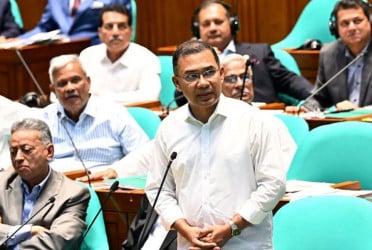
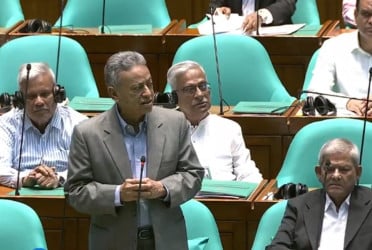
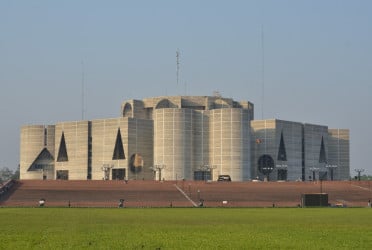
It is within this context that the question of politics emerges. Where society fractures, politics is meant to build bridges. My response to the nomination and election of my wife, Fahmida Haque, as a Member of Parliament stems from this very concern—how an individual transitions from social engagement to political responsibility.
Her long involvement in writing, social initiatives and grassroots engagement has shaped a perspective that could be valuable in Parliament. Yet a critical question remains: is our political culture ready to embrace such participation?
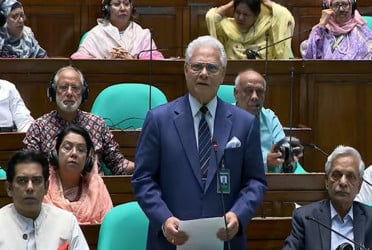
In our reality, personal relationships and professional positions often become intertwined. As a result, identity can outweigh merit. This trend weakens politics and breeds public distrust. That is why I have emphasised that while members of the same family may occupy different roles in a democracy, professional integrity must remain independent.
Trust, once broken, is difficult to restore. And it is precisely this crisis of trust that fuels problems such as youth gangs. When people feel unrepresented by politics, they turn to alternative forces—sometimes crime, sometimes disorder, sometimes deep disillusionment.
If politics fails to build trust, the resulting vacuum is filled by forces that are not always constructive.
3. Matarbari: Shadows Beneath the Light of Development
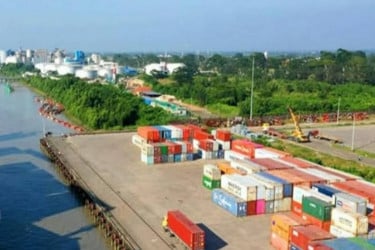
Between these realities stand grand narratives of development—projects like Matarbari. Deep-sea ports, modern roads, international-standard infrastructure and environmentally friendly technologies together paint a vision of a future Bangladesh.
The use of solar energy, efforts to reduce carbon emissions, and the adoption of modern construction materials suggest that development is no longer purely economic but increasingly tied to environmental responsibility. This is undoubtedly a positive shift, as development that destroys the environment cannot be sustainable.
Yet a fundamental question persists: how inclusive is this development? If its benefits remain confined to a small segment of society, it risks creating a new form of inequality. On one side may stand gleaming highways; on the other, disillusioned youth, unemployed young people and neglected rural communities.
Such contrasts sow the seeds of social instability. People begin to compare—“everything for them, nothing for us.” This sentiment quickly turns into resentment, which can manifest in realities such as youth gangs.
Development that is not inclusive does not ensure stability; it breeds instability. Projects like Matarbari, therefore, are not merely about infrastructure—they are also about social justice.
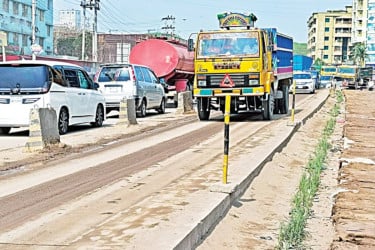
At the same time, the manner of implementation matters. The environmentally conscious initiatives seen in the construction of the Matarbari port access road—particularly the involvement of Max Infrastructure Limited—offer a positive example. The use of solar power, reduced reliance on diesel, lower carbon emissions, and eco-friendly construction materials signal not just technological progress but a shift in the philosophy of development.
Combined with local employment generation, improved connectivity and expanded economic activity, such projects have the potential to become a ‘lifeline’. If implemented effectively, they can underpin inclusive growth and help balance existing disparities.
4. Power, Narratives and the Politics of Silence
The easiest way to manage instability is to shape a narrative. Every system of governance constructs its own story—this is natural. The problem begins when that story seeks to establish itself as the only truth.
When we are told that everything is fine and under control, a question inevitably arises: is it really? Reality is rarely so simple. When questions diminish and dissent becomes uncomfortable, silence takes hold. And silence is never stable; it is often a sign of gradual decay.
When power listens only to its own applause, it becomes detached from reality. Poor decisions become easier, and their consequences are borne by those at the margins—where youth gangs emerge, where trust in politics erodes, and where development feels distant.
Perhaps the most concerning trend is the urge for excessive control. When everything must be monitored and controlled, it reflects not strength but weakness. Power that cannot trust becomes increasingly suspicious, and suspicion eventually breeds fear.
History repeatedly shows that where space for questioning shrinks, creativity declines, innovation stalls, and societies drift towards stagnation.
Conclusion
Ultimately, these four themes—youth gangs, politics, development and the narratives of power—are interconnected facets of a single reality. Treating them as isolated problems leads to fragmented solutions. Viewed together, they reveal deeper structural roots.
A society rests on three pillars: trust, inclusion and the courage to question. When trust breaks, people seek alternatives. When inclusion is absent, development creates division. When the courage to question fades, power loses touch with reality.
The greatest danger, however, is silence. When we begin to believe that silence is safe, we gradually become part of the problem. Silence is never neutral; it always serves some form of power.
There is still time—if we can initiate genuine dialogue, restore credibility in politics, connect development with people’s lives, and embrace rather than fear questions, these four narratives can converge towards a positive future.
It is also important to recognise that solutions are not found only in grand policies. Small spaces matter: dialogue within families, values nurtured in schools, mutual accountability within communities. Large state structures function effectively only when these smaller social structures remain healthy.
Otherwise, we may continue telling separate stories—only to realise, too late, that they all lead to the same crisis. And by then, the opportunity to question may be gone, leaving only a desperate search for answers that no longer suffice.
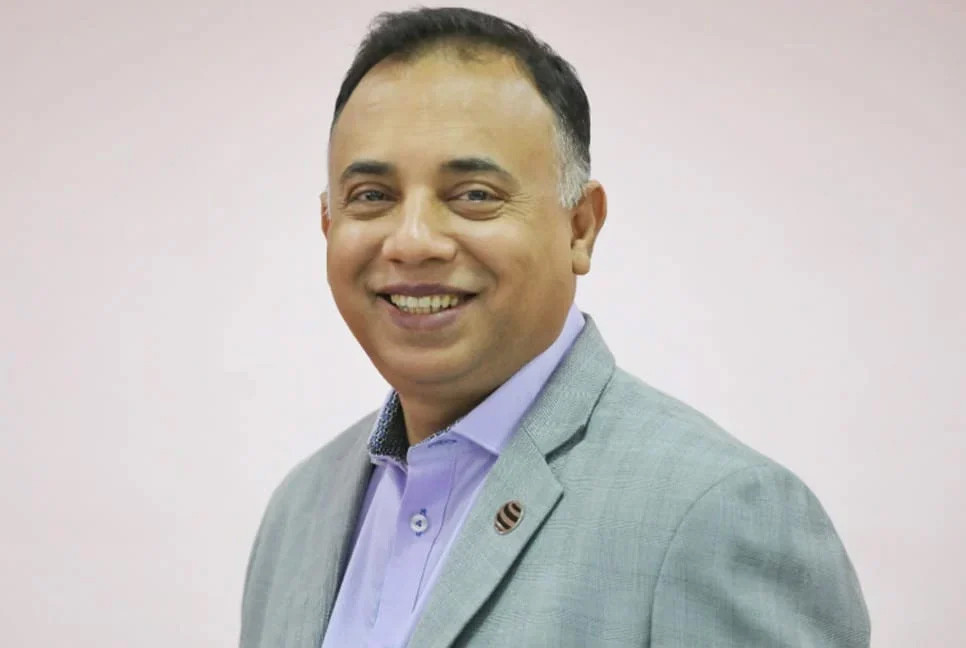
The writer is President of the Centre for Governance Studies.