Our independence was earned through the blood of three million martyrs; it is our greatest achievement. A primary characteristic of a sovereign state is the right to make independent decisions in the interest of the country and its people. Governments establish relations and sign treaties with various nations based on the will of the people. In today’s world, no country can thrive in isolation. Global progress relies on mutual cooperation, and nations move forward together.
However, the foundation of such relationships must be based on dignity, respect, and national interest. While it is true that in dealing with global economic and military powers, some concessions are often made, the priority must always remain the protection of national interests. Even the smallest states strive to safeguard their interests when negotiating with major powers.
In the 54 years since independence, Bangladesh has signed numerous treaties with many countries. Agreements made under various administrations have faced scrutiny and criticism, yet no previous government—even under undemocratic rule—had ever signed a treaty that completely compromised national interests or went against the country's independence and sovereignty.
However, the agreement signed between Bangladesh and the United States on 9 February is, in a word, a "treaty of enslavement." This agreement has not only diminished Bangladesh's sovereignty but has also sounded the death knell for our economic independence. As a result of this treaty, authority over Bangladesh's agriculture, fisheries and livestock, energy, information technology, the pharmaceutical industry, the labour sector, and national security has been handed over to the United States. This 32-page document has effectively strangled the independent decision-making power of an elected government.
This agreement forces Bangladesh—a Muslim-majority country—to allow the unrestricted import of various pork products, including Black Forest ham, bologna, bratwurst, capicola, chorizo, kielbasa, mortadella, pancetta, prosciutto, and salami. Currently, the commercial or legal import of pork is prohibited in Bangladesh under the national import policy. This treaty imposes an obligation to import these products, which are considered haram (forbidden) for Muslims.
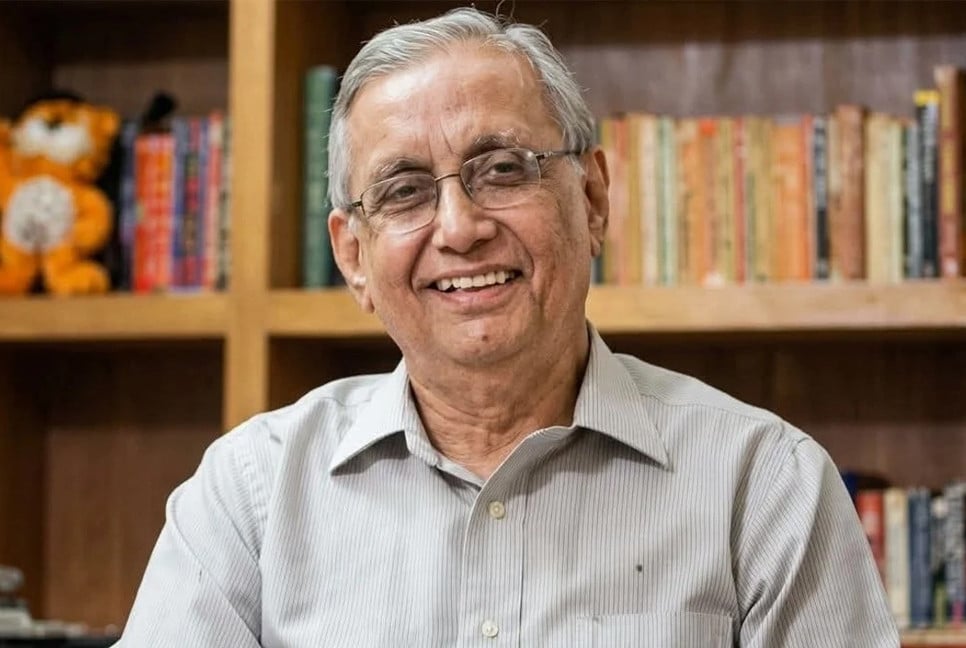
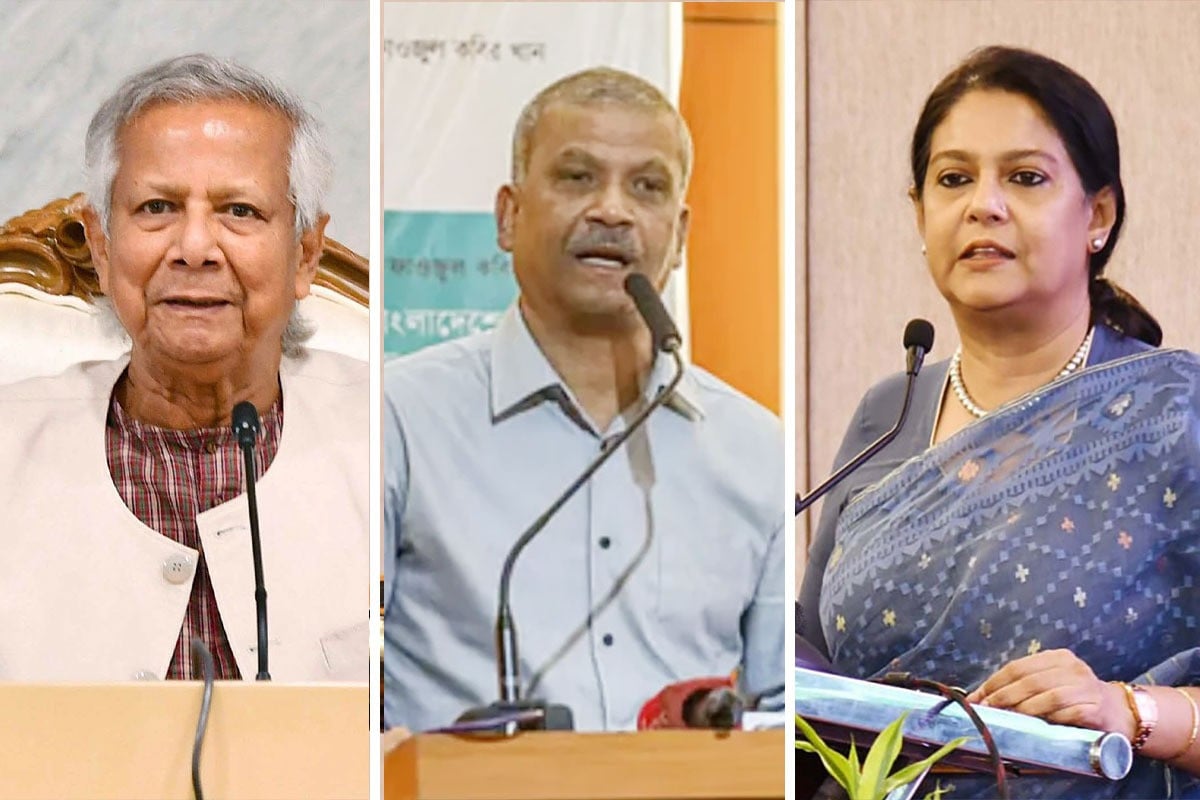
Renowned economists and intellectuals, including Debapriya Bhattacharya and Anu Muhammad, have already identified this treaty as a threat to the country's sovereignty and independence. In reality, the agreement is even more dire—it is a document of bondage.
Analysis of the "Agreement on Reciprocal Trade" reveals that while the name of the United States appears 59 times, Bangladesh is mentioned 205 times. The document is essentially a list of directives for what Bangladesh must do.
The treaty dictates that Bangladesh must prioritise the purchase of US civilian aircraft, parts, and services via Biman Bangladesh Airlines. Under Section 6, Biman has "expressed intent" to buy 14 Boeing aircraft, with provisions for more in the future. This robs Biman of the right to purchase aircraft from the global market at competitive prices, effectively making the national carrier a hostage to Boeing.
The path to importing cheaper LNG from countries like Qatar on credit has been blocked. The treaty mandates that Bangladesh must increase energy imports from the US, including long-term LNG contracts. The estimated cost of energy imports over the next 15 years is set at approximately $15 billion.
Bangladesh’s path to food self-sufficiency has been obstructed. Regardless of actual need, Bangladesh must import agricultural products from the US to "ensure food security." This includes at least 7 lakh metric tons of wheat annually for five years and up to $1.25 billion (or 2.6 million metric tons) of soybean and cotton. The total value of these imports is estimated at $3.5 billion.
Under Section 6, Bangladesh must increase the purchase of military equipment from the US and "attempt to limit" purchases from certain other countries (unnamed). This means Bangladesh must inform the US before buying military gear from elsewhere, compromising national defense secrets and security.
Within six months, Bangladesh must submit full details of all subsidies to the World Trade Organization (WTO). This will force the government to drastically reduce subsidies in agriculture and energy.
The treaty ensures that US products have unrestricted access to the Bangladeshi market. According to Section 2.2, Bangladesh cannot apply import licensing policies that hinder US goods. Furthermore, if a US product carries an international or US technical certification, Bangladesh cannot impose additional testing or evaluation requirements.
Alarmingly, the treaty restricts Bangladesh's exports to other nations like China and Russia. It stipulates that Bangladesh must take measures to prevent third-country companies from exporting products to the US at lower prices if it conflicts with US export controls or sanctions. Additionally, strict restrictions are placed on purchasing nuclear reactors or fuel from countries that have a "conflict of interest" with the US.
Perhaps most terrifyingly, the Americans are seeking access to all of Bangladesh Customs' digital data and "digital enforcement rights" under IP laws. This means they will control the data of our ports and customs, acting as agents to monitor and crack down on local producers using foreign raw materials.
This is by no means a "Free Trade Agreement." It prioritises US commercial and security interests while ignoring WTO guidelines where they would benefit Bangladesh. It utilises trade as a weapon to integrate Bangladesh into long-term US defense and military strategies.
The treaty contains a clause allowing for cancellation with 60 days' notice. The new government could pursue this path. Given its national importance, this should be discussed urgently in the National Parliament. Following a full review by a special parliamentary committee on trade, the government should move to cancel this unjust treaty, seeking expert opinions where necessary.
Bd-pratidin English/ ANI