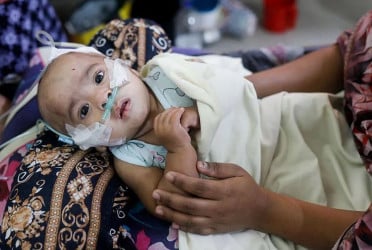
The procession of child deaths with measles symptoms is growing longer. Currently, the Ministry of Health is focusing all its attention on measles.
However, in the meantime, several other infectious diseases have broken out. Following the recent death of a government secretary from malaria, it has been revealed that the number of malaria patients is rising again in the Chattogram Hill Tracts region.
The World Health Organization (WHO) has reported an increase in new HIV/AIDS cases in Bangladesh. Across the country, the prevalence of pneumonia among children has surged, and deaths from rabies have also increased. These statistics indicate that Bangladesh is now facing a dire health risk.
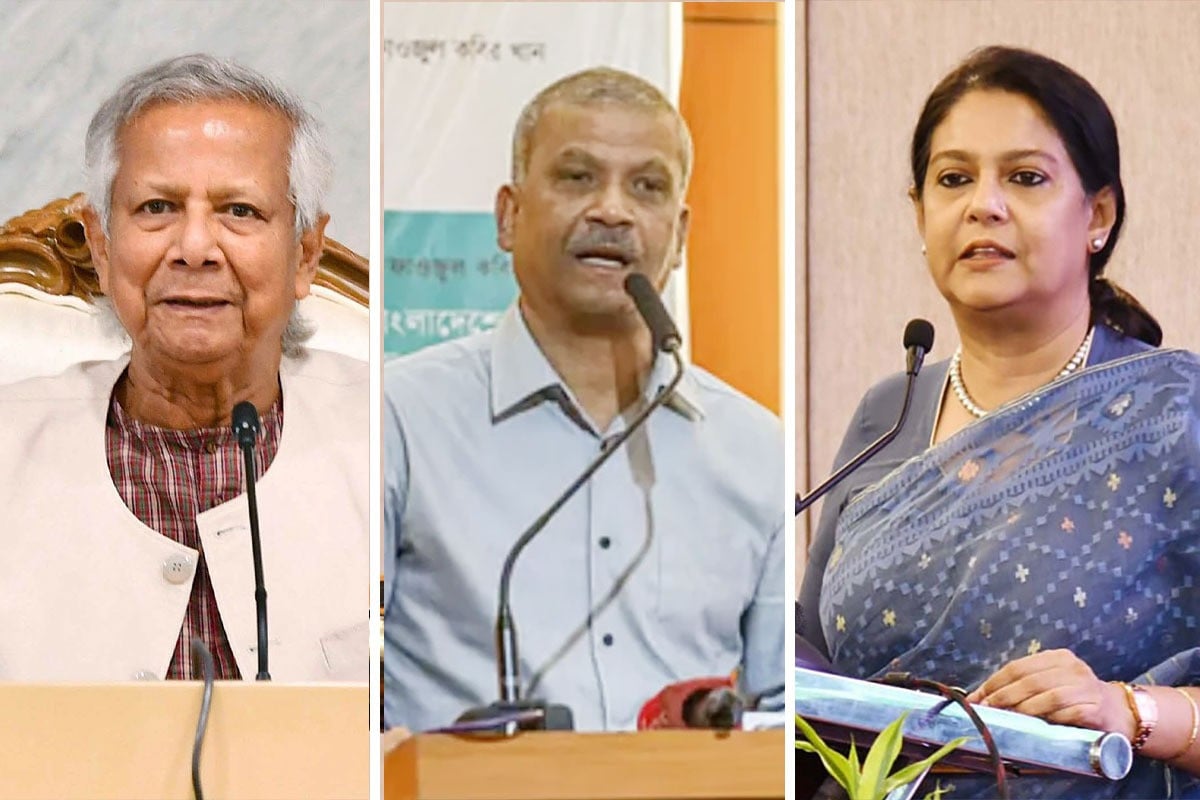
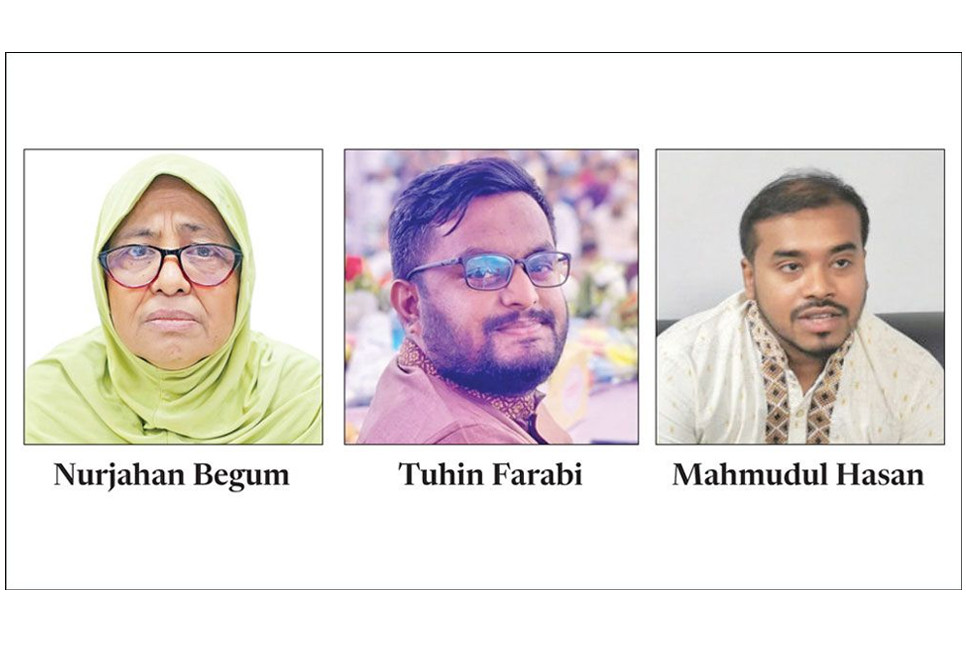
These figures serve as evidence that during the year-and-a-half rule of the Yunus government, the health sector – much like other sectors in Bangladesh – has become devastated. Within eighteen months, the country’s healthcare system has effectively collapsed. On 8 August, the interim government took office. Then chief adviser Prof Muhammad Yunus appointed his trusted and close associate, Nurjahan Begum, as the health adviser. Nurjahan Begum was a student of the Bengali Department at Chittagong University. In 1977, when Yunus started the Grameen Pilot Project in Jobra village near the university, Nurjahan Begum joined as a volunteer. She quickly became close to Yunus and has since been known as his shadow companion. Despite having no experience or educational qualifications in the banking sector, Yunus appointed her to various
high-ranking positions at Grameen Bank for a long time. It is believed she was given the responsibility of a critical ministry like the health ministry solely due to her closeness with Yunus.
Since taking office as health adviser, allegations of corruption have surfaced against her. Corruption charges amounting to Tk650 crore were levelled against her two personal officers (PO), Muhammad Tuhin Farabi and Mahmudul Hasan. After a nationwide outcry, Tuhin was relieved of his duties. However, the question remains: can the Adviser evade responsibility for the corruption of her personal officers? Many believe such a massive embezzlement of funds within just a few months was only possible with the Adviser’s collusion.
It was soon proven that Nurjahan Begum is incompetent and corrupt and lacks the minimum qualifications to run the Ministry of Health. Even then, Yunus did not dismiss her. Instead, Sayedur Rahman was appointed as a special assistant to the chief adviser for the health ministry to support her. Since his arrival, corruption in the ministry has reportedly increased further.
The Yunus government allocated Tk42,000 crore to the health sector for the 2024-25 fiscal year, but there is no trace of where this money was spent.
The most significant crime committed in the health sector during this period was the suspension of the Expanded Programme on Immunisation (EPI). To develop the health sector with the help of donor agencies, the Bangladesh government launched the Health, Population, and Nutrition Sector Program (HPNSP) in 1998. This five-year programme is better known among health workers as the “Sector Programme”. It was implemented through operation plans (OP) or subject-based planning. This program managed funding, procurement, and manpower recruitment for various sectors, including food and nutrition, maternal and child health, infectious and non-communicable disease control, and vaccinations.
Under the maternal and child health activities of the Sector Program, the nationwide EPI was conducted. This allowed the government to purchase vaccines with relative ease and in a shorter time frame. Following the fall of Sheikh Hasina after the July mass uprising, the interim government led by Professor Muhammad Yunus took power. Amid discussions regarding reforms in various sectors, the government decided to shut down the Sector Program and purchase vaccines independently. This decision was allegedly made to create opportunities for corruption for Yunus and Nurjahan, as purchasing vaccines through UNICEF would leave no room for graft. Following several meetings, the sector programmes were officially cancelled in March 2025.
When the Ministry of Health attempted to bypass UNICEF to purchase vaccines, the Ministry of Finance raised objections. After a period of negotiation, the decision was made to involve UNICEF in the procurement process again. However, by then, several months had already passed. Furthermore, additional time was lost due to fund releases, audits, and other procedural tasks.
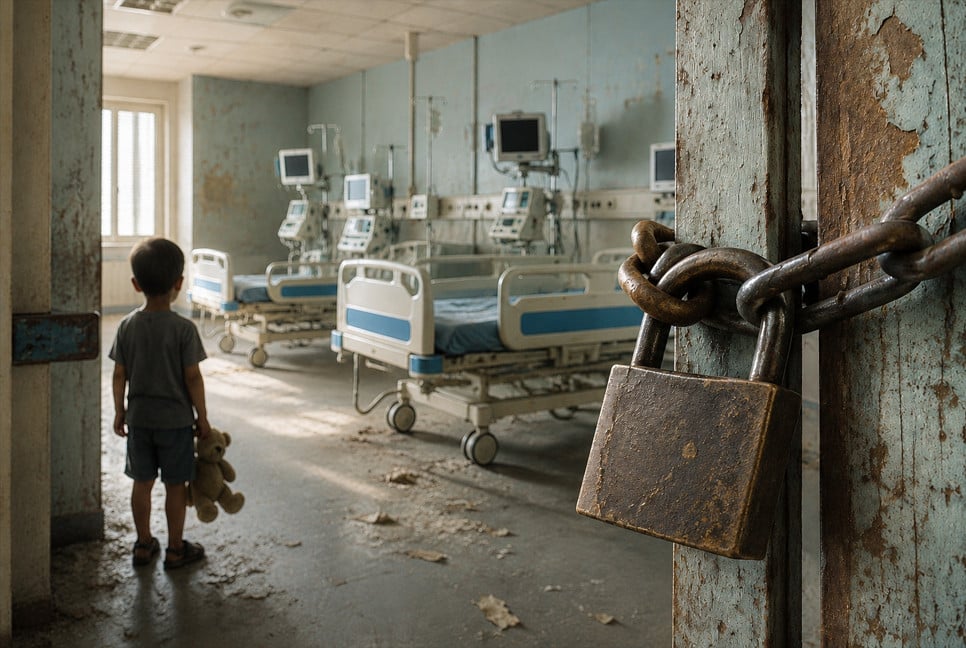
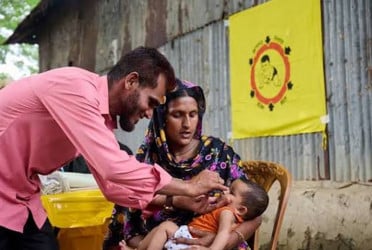
Due to these delays, vaccine procurement remained suspended for nearly six months, leading to a vaccine crisis for children in various districts in the final quarter of 2025. Parents were unable to vaccinate their children despite multiple visits to vaccination centres. Because of the suspension of the Sector Program, other health initiatives, including those for malaria, tuberculosis, and AIDS, have also stalled. Consequently, the country is now in a state of severe health risk.
The suspension of the EPI programme has put children at risk for various diseases. Under the EPI in Bangladesh, children were provided free vaccines for 12 infectious diseases, including tuberculosis, polio, diphtheria, pertussis, tetanus, hepatitis B, Haemophilus influenzae type b (pneumonia and meningitis), measles, and rubella. Due to the failure to prevent these diseases, these deadly ailments are returning. While the current focus is solely on measles, reports of children being infected with these other diseases are emerging.
Beyond these 12 diseases, a new outbreak of rabies has occurred. According to the Infectious Diseases Hospital, 94,380 people sought treatment for dog and cat bites in 2023. This number rose to 122,263 in 2024 and reached 146,243 in 2025. As of March 17, 2026, 36,751 people have received treatment. Hospital authorities state that the main reasons for this surge are the increase in stray dogs in the capital and the stagnation of the dog vaccination programme. According to public health experts, rabies is a disease that is nearly 100% fatal once symptoms appear; thus, prevention is the only way.
Data from the Infectious Diseases Hospital shows that the number of rabies deaths has also increased in recent years. In 2023, 42 people died of rabies. In 2024, the number was 58, and in 2025, it was 59. In the first two and a half months of 2026, 19 people have already died.
The current government started a measles vaccination campaign on 20 April. However, before this, more than 300 children died with measles symptoms due to the limitless greed and incompetence of the Yunus government. The trail of bodies is lengthening under the blow of measles. Is this a natural disaster or a total failure of the healthcare system? For the past few decades, Bangladesh had written a story of success and pride regarding its vaccination programmes. Where once only 2% of children were fully vaccinated, that rate was raised to over 90%. This success was not just a statistic; it was the story of millions of children surviving. Yet today, in that same country, a completely preventable disease like measles is on the verge of becoming an epidemic. This is a major example of the Yunus government’s failure.
It is not just measles; the negligence of the Yunus government has increased the risk of other infectious diseases as well. Our entire health system is now under threat. While the government starting the measles vaccination is a good initiative, vaccination programmes for other infectious diseases must be launched immediately. Otherwise, Bangladesh may turn into a graveyard for children – for which Yunus, Nurjahan, and the interim government will be held responsible.
Bd-pratidin English/ ANI