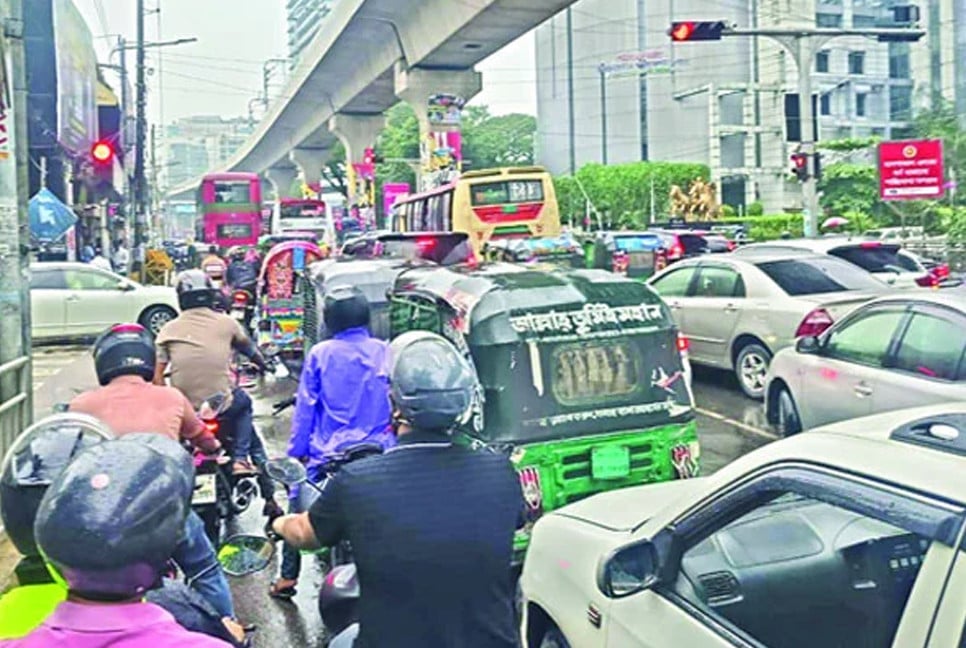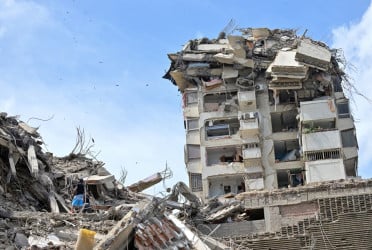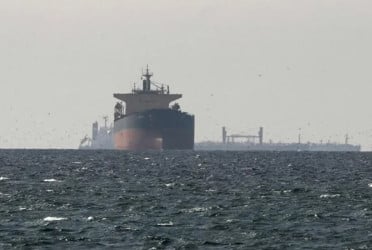
The country’s economic crisis is becoming increasingly visible. A turbulent investment environment, flawed policies, and the strategies pursued by the Yunus government over the past year and a half have devastated the national economy. Standing on these ruins, the BNP government has assumed responsibility for governing. Meanwhile, the war in the Middle East has further intensified the crisis. Global fuel prices have surged, and even at higher prices, securing oil has become difficult. There is a nationwide outcry for fuel; queues at petrol pumps are growing longer by the day. Acute uncertainty over diesel supply during the Boro season has deepened farmers’ anxiety. Industrial production is being hampered. It is not only fuel oil – the gas shortage is also escalating rapidly, forcing factories to shut down.
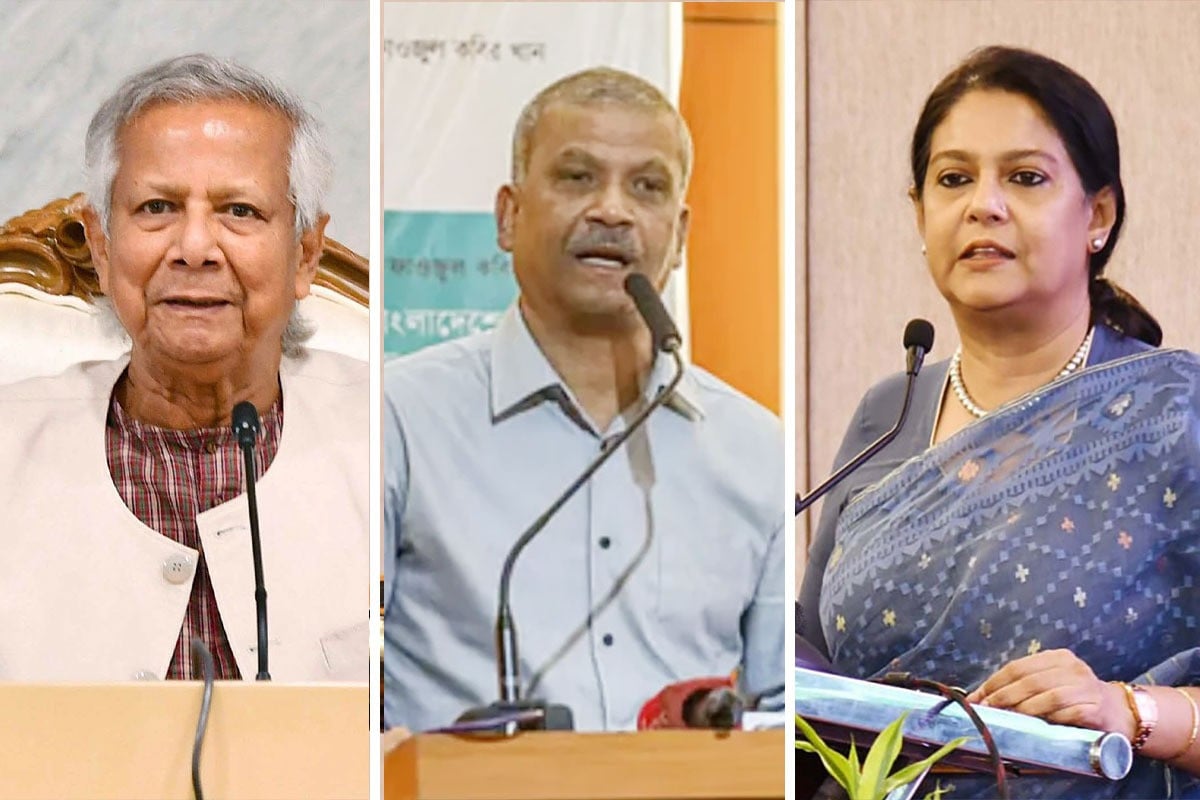
Over the past year and a half, the interim government ran the country on loans. By creating chaos in the private sector, the Yunus government broke the backbone of the economy.
At the time of the Awami League government’s ouster, the country’s outstanding debt stood at Tk19.23 trillion. After the interim government took charge, many expected a reduction in borrowing alongside austerity measures. However, statistics from the central bank show that the highest amount of borrowing in a single fiscal year occurred during the tenure of the outgoing interim government. In the 2024-25 fiscal year, the government borrowed Tk3.28 trillion from domestic and foreign sources, bringing total debt to Tk22.50 trillion. In effect, the Yunus government “ate ghee” (lived lavishly) on borrowed money.
Government sources indicate that following the August 2024 mass uprising, more than $3.5 billion in loans were taken from development partners, including the World Bank and the IMF. This money was received as budget support for implementing reform programs. Using these funds, Prof Yunus reportedly undertook frequent foreign trips, often accompanied by large delegations. These loans were also used to cover the government’s operational expenses. During this period, thousands of factories fell victim to “mob justice.” Many industrial units closed due to arson and attacks, while others shut down out of fear, leaving thousands of workers unemployed. The interim government did not spend a single taka on developing the private sector. Furthermore, to meet foreign loan conditions, it raised bank interest rates, directly discouraging private investment.
Before stepping down, the Yunus government dealt another blow to the economy by announcing a new pay scale for government employees without adequately considering economic realities. This move fell outside the proper scope of an interim government. Moreover, the overall economic situation was not taken into account before the announcement. Many believe this decision was made deliberately to pressure the newly elected government. Implementing the proposed 9th Pay Scale could require an additional Tk700 billion to Tk1.06 trillion annually. This decision amounts to adding insult to injury. The BNP government is now struggling to manage the global economic situation, the massive debt burden left behind, and flawed economic strategies. To meet urgent energy needs and maintain stability, the Prime Minister has sought $2 billion in assistance from development partners.
The Finance Minister has rushed to Washington in search of loans. Uncertainty has emerged regarding the next installment of the IMF-approved loan for Bangladesh. Although the government claims that discussions are ongoing despite some differences, some economists believe the crisis stems from low revenue collection and a failure to implement banking sector reforms – responsibilities that lay with the interim government. Sources indicate that Bangladesh was supposed to receive $1.3 billion from the IMF by June.
In the current situation, the head of government has called for austerity. Cost-cutting policies have been adopted across all sectors. Office timings have changed, and even a Bangladesh–New Zealand cricket match was scheduled during the day to conserve electricity. Decorative lighting has been curtailed. Due to the fuel crisis, ordinary citizens are also practicing frugality. A general trend of restraint is visible everywhere.
However, while the whole country walks the path of austerity, government employees appear to remain above it. The bureaucracy behaves as if it belongs to another world. The suffering of ordinary people does not seem to affect them. Regardless of the country’s situation, they move together as a group. Bureaucrats who were staunch Mujib loyalists during the Awami League era became anti-Awami League immediately after August 5. Yunus-loyalist officials quickly transformed into “soldiers of Shaheed Zia” once the BNP government took power. Politicians face imprisonment and oppression, while businesspeople and industrialists are labeled as cronies and harassed. Yet, with few exceptions, most bureaucrats change their positions almost instantly.
While the government pursues austerity to address the economic crisis, bureaucrats are preoccupied with implementing the new pay scale. The new government is set to announce its first budget in the National Parliament on June 11. Given current economic conditions, it will be difficult to implement the pay scale immediately. Nevertheless, soon after the government took office, leaders of the Bangladesh Secretariat Service Association met the Minister of State for Finance to demand its implementation. The proposed national budget for the 2026–27 fiscal year, estimated at approximately Tk9 trillion, is about to be presented. While government employees have high expectations, there is also significant uncertainty, as no clear announcement has been made regarding the inclusion of the 9th National Pay Scale. Their focus appears to be more on salary increases than on the country’s economic condition.
Austerity does not seem to apply to bureaucrats. Their foreign trips have not stopped. Government officials continue to show a strong preference for traveling abroad. Even amid this crisis, the Chief Engineer of Shahjalal University of Science and Technology, Md Zainal Islam Chowdhury, is reportedly traveling to Greece to inspect elevator quality for a new building. This comes shortly after the government reduced expenditures in the revised 2025-26 budget due to global tensions. Officials were instructed to exercise restraint in 11 areas, including foreign travel and the purchase of vehicles or computers. Yet such directives appear to have little effect.
Officials often travel abroad for questionable reasons. During the Awami League era, a 45-member delegation traveled to the United States merely to receive a Boeing aircraft. Similar criticism followed reports of delegations traveling abroad to purchase cameras or to learn how to install tube wells. Will these practices finally come to an end?
Operational costs, including salaries and allowances for government employees, have increased compared to previous years, while spending on development projects has declined. Reducing state expenditure on administrative costs is now unavoidable.
In this situation, will bureaucrats reflect on the country’s needs? They are, after all, citizens of this nation. Given the economic crisis, will they say, “Not now – let us revisit the pay scale once the crisis has passed”? Or will they continue unnecessary foreign trips on various pretexts, wasting public funds?
On the other hand, can the BNP government – elected with a strong public mandate – break this cycle of bureaucratic appeasement? By reducing dependence on the bureaucracy, can it put an end to the practice of feeding “ghee” to bureaucrats with borrowed money?
Audite Karim is a writer and playwright.
Email: [email protected]