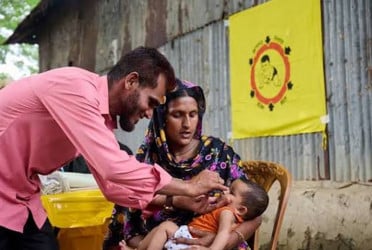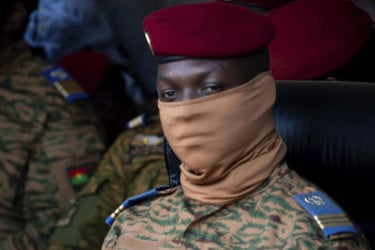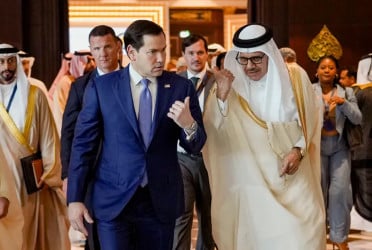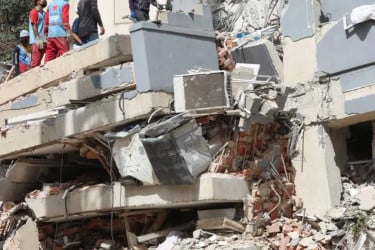
Four faces of an unsettled time, and our silent crisis. This is a strange moment. It feels as though many stories are unfolding at once—war drums beating somewhere, the erosion of language elsewhere, the foundations of states trembling, and, in other places, invisible prisons forming within personal relationships. We read the news every day, watch talk shows, argue—but perhaps because we view these events in isolation, we fail to grasp their deeper connection. Yet a brief pause reveals that these four pillars are, in fact, different expressions of the same reality: the use of power, a lack of trust, and a tendency towards control.
This moment is turning us not merely into observers, but into moral decision-makers—how we respond will shape the future.
1. The Fires of War, the Smoke in Our Kitchens
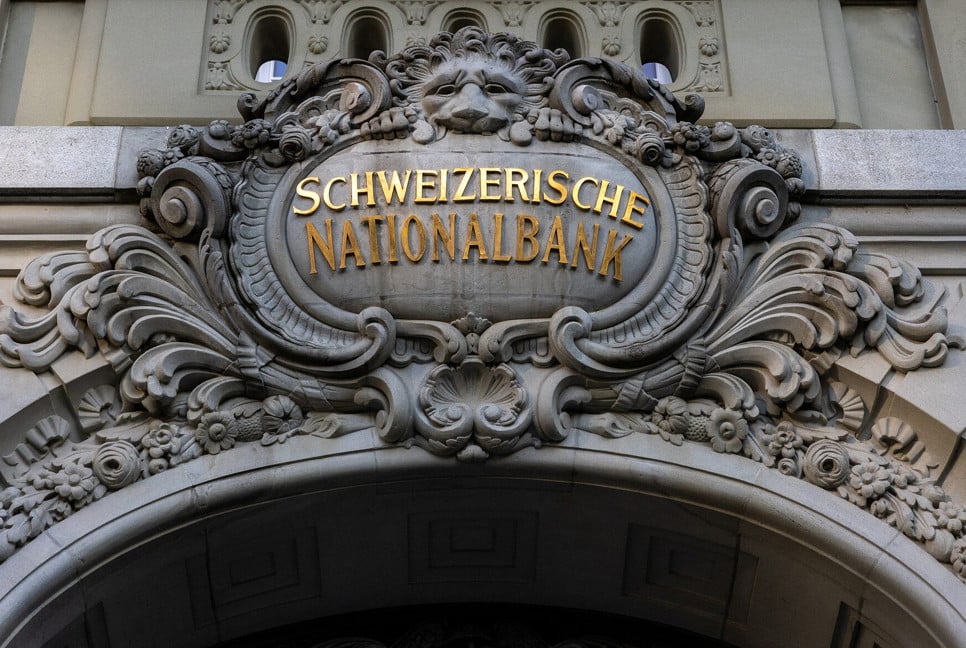
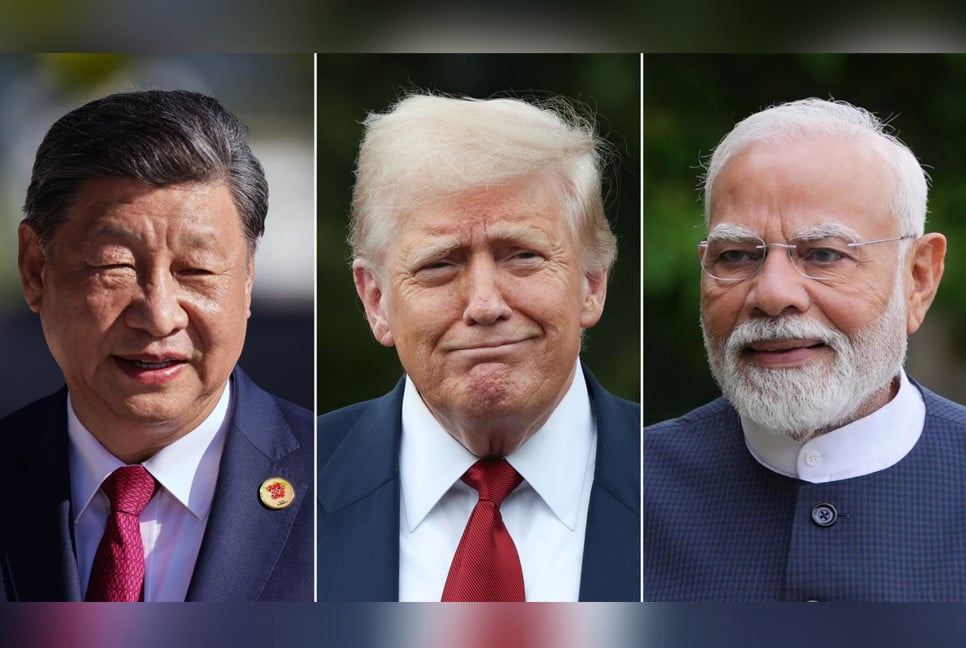
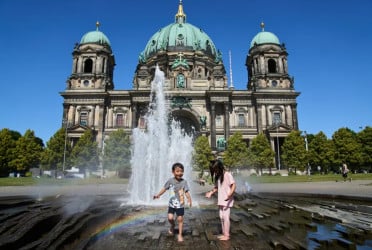
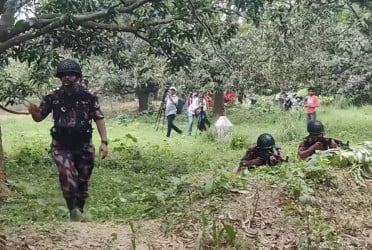
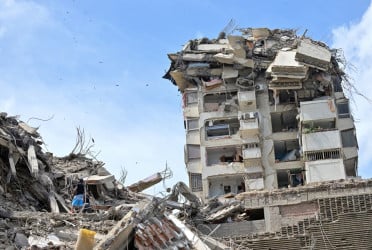
The world is once again tilting towards conflict—instability is rising in the Middle East, Europe, and parts of Asia. War is no longer confined to borders; it is spreading into economies, markets, and everyday life. International analyses make it clear that unless the situation improves swiftly, countries like Bangladesh will face multidimensional pressure.
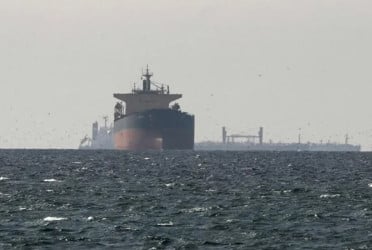
We often think of war as something distant—images on a television screen. In reality, its greatest impact is felt by those not directly involved. Oil prices rise, import costs increase, pressure on the dollar intensifies, and ultimately these effects reach daily life. The person who goes to the market in the morning finds their bag no longer fills as it once did. The entrepreneur sees profits shrinking. The state, while drafting its budget, finds the numbers no longer add up.
This raises another crucial issue: the fragility of our economy. Built on three pillars—remittances, ready-made garments, and import-dependent energy—how resilient is it to global shocks? Have we diversified our risks, or are we still confined within the same old structure?
The question then becomes: are we merely victims of circumstance, or are we prepared? Are policymakers developing long-term strategies in light of global instability, or are we still operating under a ‘we shall see’ approach?
History has taught us repeatedly—those who fail to prepare before the storm cannot reconcile the damage afterwards. And those who focus only on others’ mistakes, ignoring their own internal weaknesses, face an even harsher future.
2. When the Language of Politics Becomes a Mirror
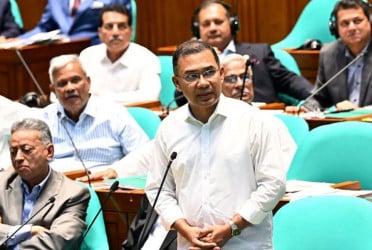
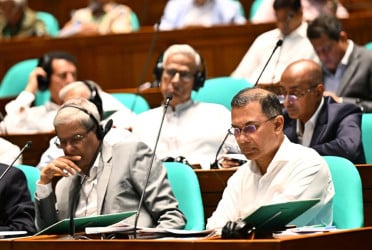
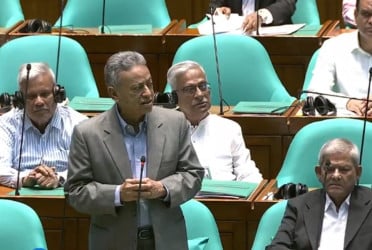
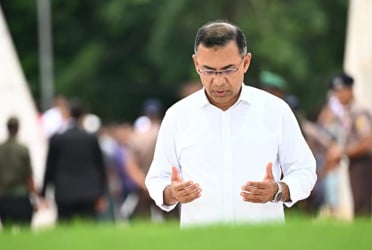
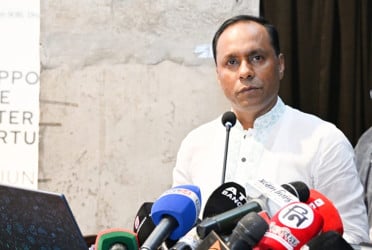
The political language of a society reflects its collective mindset. The recent remarks—particularly derogatory comments directed at women Members of Parliament—are not isolated incidents. They signal a pattern, part of a culture that is gradually consuming our political space.
When a politician comments on someone’s body, it is not merely a personal insult; it diminishes an entire segment of society. This is not just discourtesy—it is a form of intellectual poverty, where reason is absent and only attack remains.
There was a time when political differences existed alongside a sense of decorum. Today, that civility is often fading. Debate is being replaced by hostility, and reason by ridicule. Social media has intensified this trend, where the pursuit of virality leads many to abandon restraint.
There is a deeper danger here: when language deteriorates, thought deteriorates. And when thought deteriorates, decisions follow suit. The decline of language in politics ultimately affects policymaking itself, because those who do not practise reason cannot formulate sound policies. One is reminded of Humayun Ahmed’s words: “A person’s greatest strength is their language.” Yet it seems we are gradually losing that very strength. And when language weakens, society weakens with it.
3. The State, the Law, and Invisible Cracks in Trust
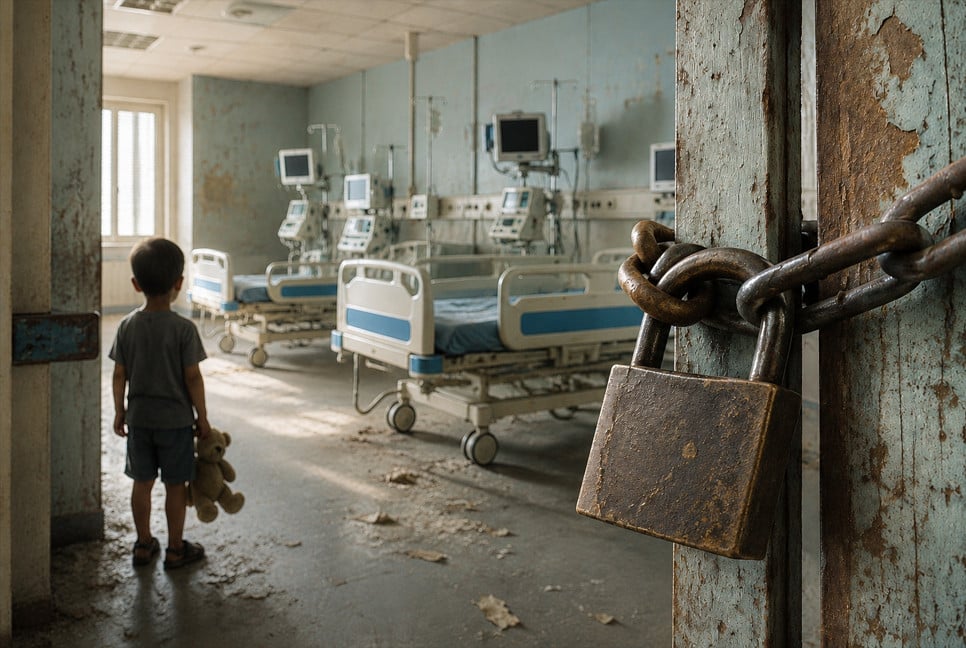
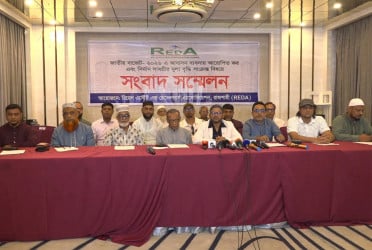
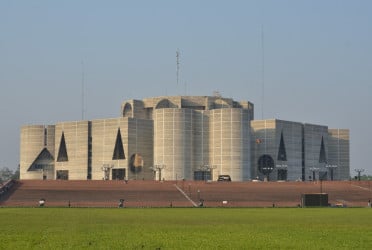
The strength of a state lies not in its weapons, but in the trust of its people. When that trust begins to erode, the foundations of the state weaken. Recent events raise an uncomfortable question: is the law being applied equally to all, or does it depend on power? When people see that some are punished for the same offence while others are not, doubts inevitably arise.
Though these questions may seem small, they mark the beginning of deeper crises. When people lose faith in the law, they begin to seek alternatives—and those alternatives are never stable. A tendency towards “taking justice into one’s own hands” emerges, which ultimately deepens social instability.
When this lack of trust combines with economic pressure and the decline of political language, a dangerous situation takes shape. People do not merely become dissatisfied—they become disillusioned. And a disillusioned populace cannot build a stable society.
The greatest challenge is that this crisis of trust is often invisible. It develops gradually, spreads quietly, and eventually erupts with force. History offers many examples where long-suppressed grievances have led to sudden, transformative change.
If the state wishes to overcome this crisis, it must first acknowledge its existence. Then it must act—through transparency, accountability, and justice. Trust is not built in a day, but it can collapse in one.
4. Love, Control, and the Philosophy of Quiet Strength
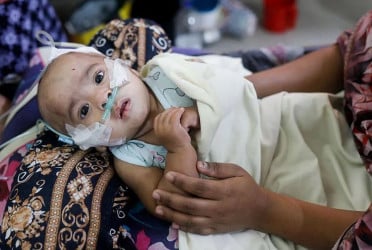
The tendency towards control we observe in the state and in politics is not confined to public life—it has entered our personal relationships as well. We live in a time where love is often mistaken for control. We assume that the more we monitor, the more we keep track, the more we prove our affection. In reality, the opposite is true. Where excessive control exists, love cannot endure. Instead, suspicion, pressure, and a kind of invisible fatigue take root.
Modern relationships reveal a troubling pattern—people try to hold on to each other, yet do not allow one another to breathe. A relationship that constantly seeks to prove its existence is, in fact, fragile. A strong relationship does not need to prove itself; it is its own proof.
This philosophy applies equally to politics. A strong state trusts its citizens; it does not constantly surveil them. A weak state seeks to control its people because it cannot trust them. Whether in love or in power, one truth holds: those who cling too tightly lose, while those who can let go endure.
Conclusion
These four issues—the pressures of war, the degradation of language, the crisis of trust in the state, and the tendency towards control in relationships—are, in essence, four chapters of the same story. While we stand amid global instability, we are simultaneously creating new crises within ourselves. We are losing language, losing trust, and gradually losing the human connection that sustains society.
Perhaps the most important question now is no longer economic or political—it is about trust. Can we trust one another? Does the state trust its citizens? Do citizens trust the state? And can one human being trust another?
If the answer to these questions is “no”, then all our development, progress, and planning will eventually collapse. A society without trust cannot endure.
Perhaps it is time to slow down—to speak a little less and listen a little more; to control a little less and trust a little more. For true strength does not announce itself loudly; it works quietly. And the silence that is born of trust is the greatest strength of all.
Author: President, Centre for Governance Studies