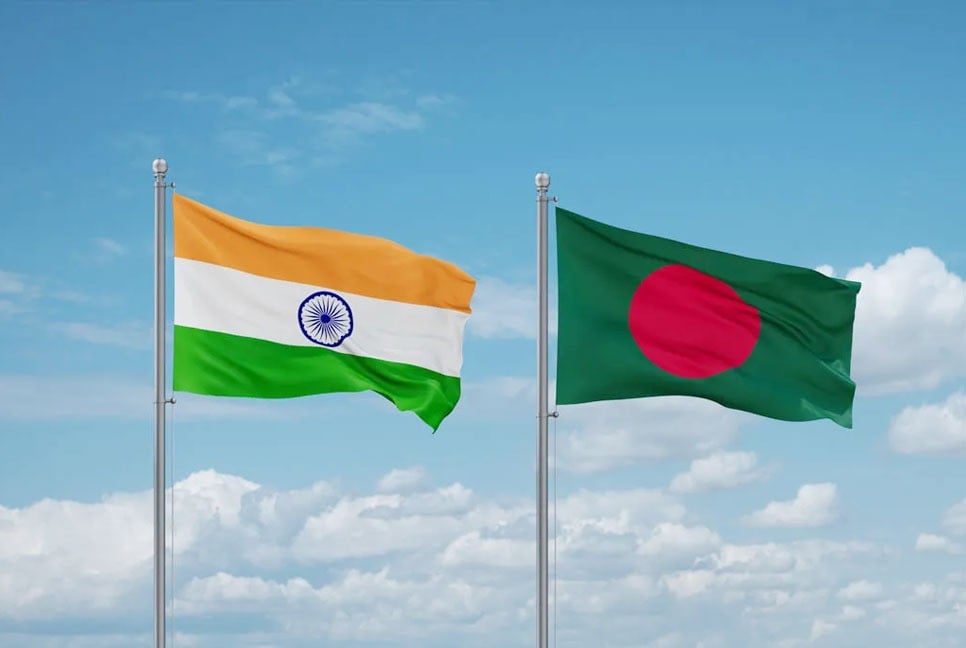
Foreign Minister Khalilur Rahman will depart for India tomorrow (April 7), marking the first visit by a Foreign Minister to India since the formation of the BNP government. This visit is highly significant for several reasons; it could herald a new journey toward improving relations between the two countries. Friendly relations with neighbors are essential for any country's peace, stability, security, and development. We can change everything, but we cannot change our neighbors. Conflict with a neighbor results in more self-inflicted harm than gain. Diplomatic analysts believe that for small, developing nations like Bangladesh, it is necessary to maintain friendly ties with everyone. In this era of globalization, no state can function in isolation, and for Bangladesh, it is even more difficult. This is why the core of our foreign policy is: "Friendship to all, malice toward none."
However, during Dr. Yunus’s interim government, Bangladesh became isolated from the world. Upon taking office, Dr. Yunus claimed that the world would come to us. But in reality, the world did not come. Bangladesh became identified globally as an insecure and risky state. Although Muhammad Yunus was introduced as an "international player" at the beginning of his tenure, in reality, we could not celebrate any "goals" scored by him. Aside from Pakistan, there was no significant diplomatic success with any other country. Dr. Yunus had stated that the Rohingyas would celebrate Eid-ul-Fitr in Myanmar; effectively, that did not happen. On the contrary, at least 200,000 new Rohingyas have entered Bangladesh. Additionally, 70,000 Saudi-expatriate Rohingyas are receiving Bangladeshi passports. Our own daughter had her skull blown away by gunfire from the Arakan Army.
While relations with India hit rock bottom, he could not reduce import dependency; instead, he poisoned the relationship with harsh rhetoric. In these eighteen months, his administration failed to move even a single visa center from Delhi back to Dhaka, increasing the suffering of students wishing to study abroad. Most countries that previously allowed Bangladeshi citizens visa-free entry have now banned it, while others have reduced visa issuance rates. America has literally imposed visa restrictions. The value of the Bangladeshi passport has plummeted to the level of Yemen, Afghanistan, or Palestine. Despite traveling abroad 14 times in 18 months—including 11 trips in the first year—the "Yunus Magic" has effectively failed.
The most alarming aspect of the Yunus era's diplomacy was the deterioration of ties with neighbors. Relations with both India and Myanmar hit an all-time low. Tensions between Bangladesh and India escalated particularly after August 5th. Following that date, Yunus and his council, in pursuit of cheap popularity, made various anti-India remarks that soured the relationship. The then Law Advisor Asif Nazrul claimed that 2.6 million Indian citizens were working illegally in Bangladesh, but his statement was later found to be entirely baseless and eventually became a joke. Environment Advisor Syeda Rizwana Hasan had stated that all "unequal" treaties with India would be canceled, yet not a single treaty was scrapped in eighteen months. The Energy Advisor spoke of canceling the Adani deal but hasn't uttered a word about it since.
During a four-day visit to China from March 26 to 29 last year, Professor Yunus spoke at a dialogue with Chinese business leaders at "The Presidential" in Beijing on March 28. He said, "Nepal and Bhutan are landlocked countries with no sea. The seven northeastern states of India are also landlocked. We are the sole guardians of the sea for this region." His comments regarding the "Seven Sisters" (the seven northeastern states) caused an uproar in various Indian circles. Some labeled the remark "aggressive," others called it "dangerous," and many expressed "surprise" and "disappointment." Such comments from a head of government drew heavy criticism. These irresponsible remarks led to a rapid decline in bilateral relations.
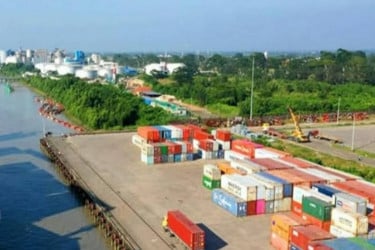
Consequently, India imposed restrictions on the use of its ports for Bangladeshi goods, causing massive losses for Bangladeshi exporters. Since August 5, Indian visas have been virtually closed. While medical visas remain active, they are not easily accessible. Border tensions flared up during this period. Dr. Yunus and his close associates complicated the situation further with intermittent anti-India rhetoric. Anti-India propaganda within Bangladesh persisted throughout the Yunus administration. Relations reached a breaking point last December when both countries summoned each other's diplomats twice to lodge protests and express concerns over various issues.
On December 23, the Indian High Commissioner Pranay Verma in Dhaka and the Bangladeshi High Commissioner M. Riaz Hamidullah in Delhi were summoned by the respective foreign ministries on the same day. This simultaneous summoning of envoys was a first in the history of Bangladesh-India relations. Many believe a conspiracy to foil the elections was behind the decline in relations surrounding the murder of Osman Hadi. Recently, Chief Whip and NCP Convener Nahid Islam claimed that a "Deep State" played a role in Hadi's murder.
Bitterness reached such a level that Bangladesh did not participate in the Cricket World Cup held in India, which had a negative impact on the country's sports arena and damaged Bangladesh's cricket. Essentially, the decline in Bangladesh-India relations yielded no benefit for Bangladesh; rather, the country's global image was tarnished. India made it clear that they were waiting for an elected government in Bangladesh.
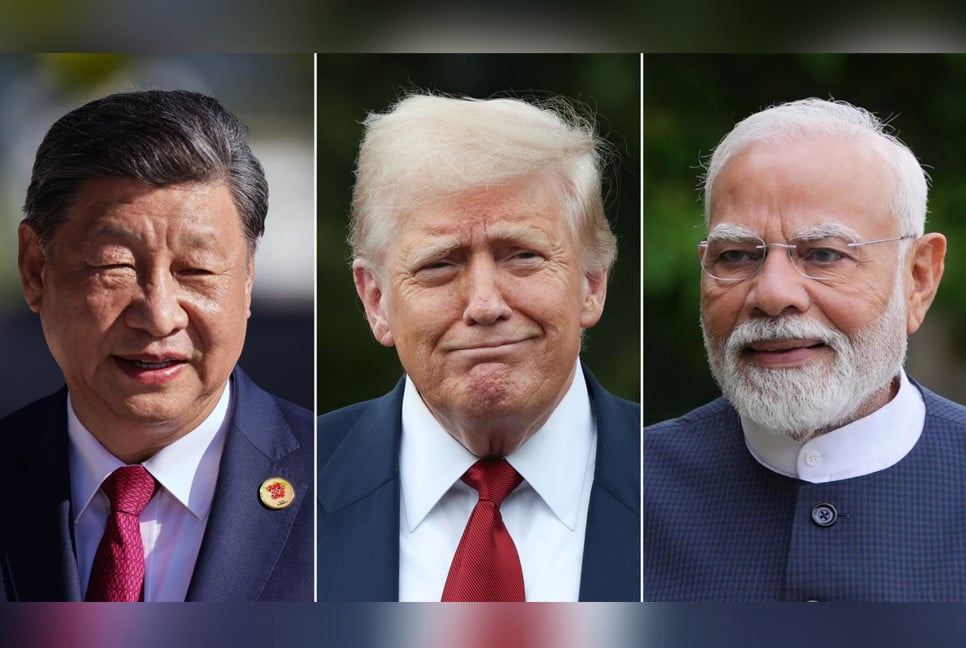
The ice began to melt following the death of Begum Khaleda Zia. Indian External Affairs Minister S. Jaishankar made a quick visit to Bangladesh to offer condolences to the current Prime Minister and Begum Zia’s eldest son, Tarique Rahman. Subsequently, Indian Lok Sabha Speaker Om Birla attended the oath-taking ceremony of Tarique Rahman’s cabinet. Furthermore, within a few days, Indian Prime Minister Narendra Modi sent multiple congratulatory messages to Prime Minister Tarique Rahman on various occasions. Not only that, he invited Tarique Rahman to visit India at his convenience.
On March 20, Bangladesh’s High Commissioner to India, Riaz Hamidullah, met with Indian External Affairs Minister Jaishankar and Industry and Commerce Minister Piyush Goyal. Notably, this was the first meeting between a Bangladeshi High Commissioner and high-level Indian officials since April of last year. Regarding the meeting, Minister Jaishankar posted on his X handle (formerly Twitter): "Our discussion focused on moving our bilateral relationship forward."
Conversely, Riaz Hamidullah stated that Bangladesh is keen to work closely with India for mutual welfare. He and Piyush Goyal discussed deepening economic cooperation, advancing the Bangladesh-India economic partnership, and other trade-related issues. Additionally, the head of Bangladesh's military intelligence (DGFI), Major General Kaiser Rashid, visited India from March 1 to 3.
The Foreign Minister’s visit to India is taking place amidst this process of rebuilding relations. Khalilur Rahman is scheduled to meet with the Indian Foreign Minister on Wednesday. He is also expected to meet Ajit Doval, Piyush Goyal, and Hardeep Singh Puri. Foreign Minister Khalilur Rahman's Delhi visit is set to be a crucial step in creating a field for sustainable political relations. Through this visit, Dhaka will seek to understand Delhi's stance on the future of the relationship, while also conveying Bangladesh’s long-term vision for the partnership to India.
According to high-level government sources, during the Foreign Minister's visit from Tuesday (April 7) to Thursday (April 9), Bangladesh will seek to gauge India's position. Alongside this, Bangladesh will send a message that both countries should strive to advance the relationship based on mutual dignity and trust, not just during the current government’s tenure but for the long term.
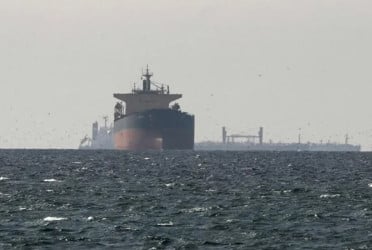
Following the war in Iran, normalizing relations with India has become even more vital for Bangladesh. Already, the import of fuel oil from India via the Friendship Pipeline has commenced. Moving forward, communication and MoUs with countries like India and Russia are essential to tackle the energy crisis. We certainly do not want to be a subservient state to India; we seek a friendly relationship based on equal status. Problems in the world today cannot be solved by creating bitterness. Resolving issues requires friendship and dialogue. Promisingly, the newly elected BNP government is moving in that direction.
Audite Karim: Writer and Playwright.
Email: [email protected]