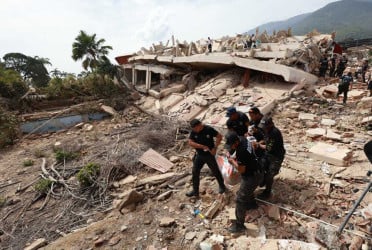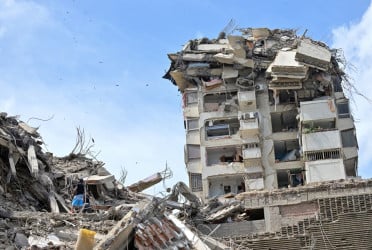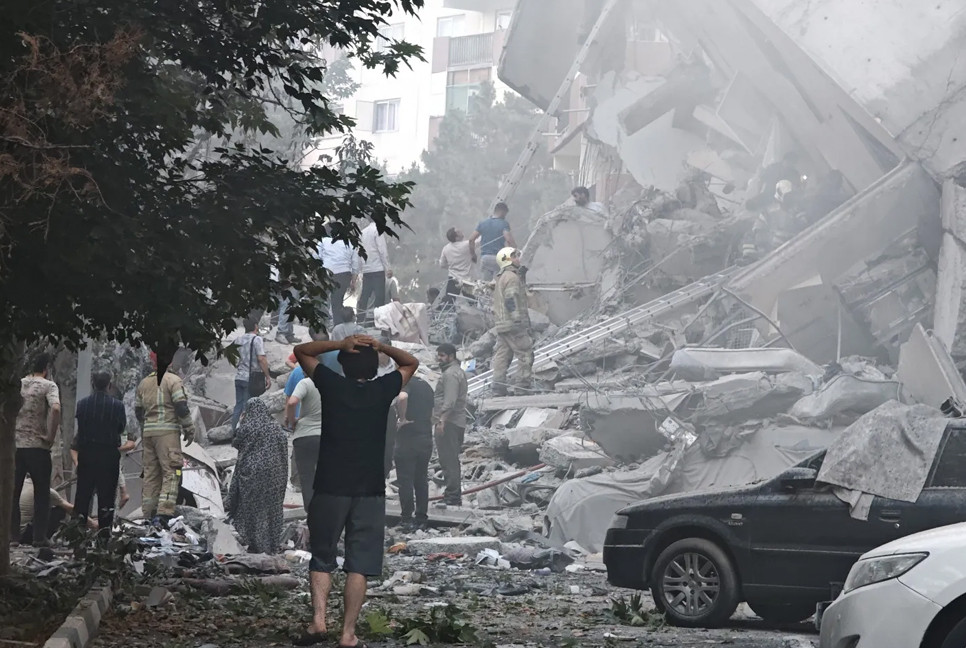
As tensions escalate in the Middle East amid military confrontation involving Israel, the United States and Iran, media and international relations analysts say the fight to shape global narratives is also unfolding beyond the battlefield.
Since the beginning of the conflict, social media users have reported a surge in posts supporting Israeli military actions, sparking debate over the growing role of digital influence campaigns in modern conflicts.
Observers say Israeli government and advocacy groups are increasingly competing in the online space to influence international audiences.
Analysts often point to Israel’s long-standing communication strategy known as Hasbara, a Hebrew term meaning “explanation,” which refers to efforts to promote Israeli policies to foreign audiences. For decades, Israeli institutions such as the Israel Defense Forces and the Ministry of Foreign Affairs have used the strategy to engage global media and audiences.
Budget documents indicate that Israel allocated about 2.35 billion shekels (around $720–730 million) in its 2026 budget for global advocacy and public diplomacy linked to Hasbara, compared with 545 million shekels (about $150 million) in 2025.
Academics say the funding supports digital media production, social media campaigns, advertising, diplomatic outreach and collaboration with advocacy groups, influencers and foreign journalists.
Jared Ahmad, a University of Sheffield scholar who has researched media propaganda on issues such as Islamic State (IS) and 9/11, told Bangladesh Pratidin that the spending increase reflects concerns within Israel about declining support in Western countries. According to him, the funding is expected to support social media campaigns, pro-Israeli artificial-intelligence (AI) chatbots, influencer partnerships and visits for overseas politicians.
“The Israeli government is hoping that the sheer volume of supportive content will counter negative perceptions or confuse audiences,” Ahmad said, adding that polling in some Western countries suggests public support for Israel has declined.
Ahmad said this reflects a broader trend in which information warfare moves alongside military operations. Quoting media scholars Matthew Ford and Andrew Hoskins, he noted that “war and its representation have collapsed into each other,” meaning military actions are increasingly intertwined with media narratives. However, he said the long-term effectiveness of such campaigns remains uncertain.
Dr. Imtiaz Ahmed, former Professor of International Relations at Dhaka University, told Bangladesh Pratidin that global messaging, previously called ‘propaganda’, plays a key role in building domestic and international consent. International media content aligned with government messaging strengthens public support, which is why global messaging has become important.
“If domestic consent breaks, it can lead to chaos within the country and undermine public support for the action,” he added.
Dr. Imtiaz said “messaging” and “counter-messaging” are now central to modern conflicts, with social media, smartphones and artificial intelligence increasing both the volume and sophistication of content.
He also emphasized that corporate interests and business relationships can influence editorial decisions, including which reports and images receive priority. International ties, particularly with Western countries, may also affect source selection.
Dr. Imtiaz stressed that modern information warfare now involves not only states but also corporate interests, financing and technology-driven content production, underscoring the need for verification and responsible journalism.
Experts say modern conflicts increasingly extend beyond physical battlefields into the digital arena, where narratives, images and videos can shape global perceptions within minutes.
Despite several attempts, no Israeli officials have commented on the matter.
Bd-Pratidin English/ AM