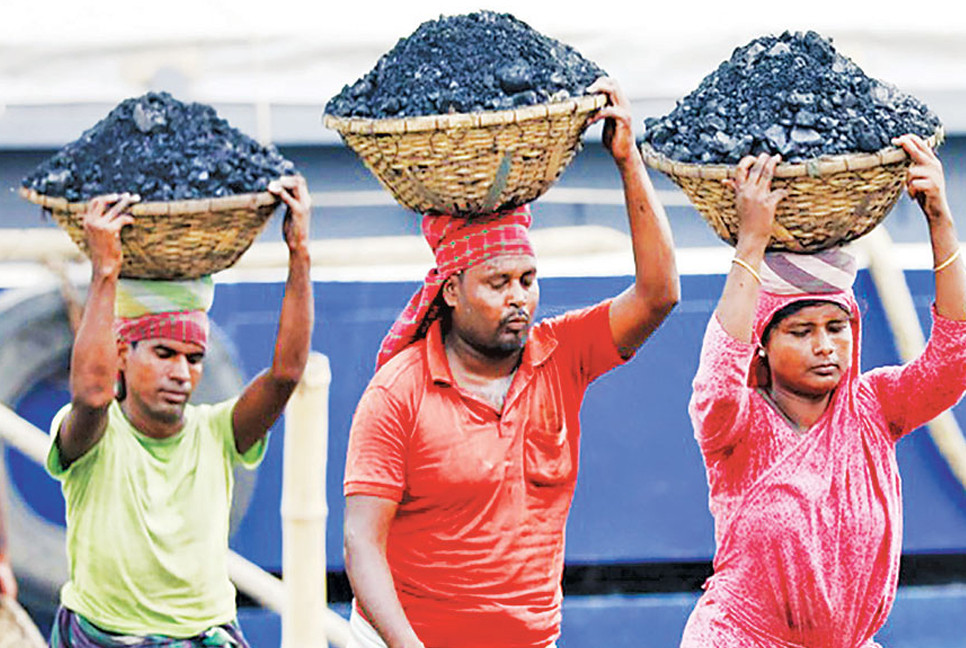
Bangladesh's extreme dependency on the Middle East has left its overseas labour market vulnerable to regional instability.
Last year, five Middle Eastern countries accounted for 90% of the total migrant workforce, with Saudi Arabia alone taking 67%. Analysts warn that any crisis in the Gulf region immediately destabilises Bangladesh’s primary source of remittances.
Although Bangladesh sends workers to 168 countries, the numbers for most destinations remain negligible. While nations in Eastern Europe, Japan, South Korea, and Russia show high demand, Bangladesh struggles to provide workers with the necessary language skills and technical expertise.
The closure of Malaysia, the second-largest market for Bangladeshi workers, has further complicated the situation.
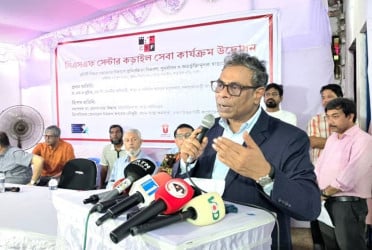
"Emerging economies like Romania, Bulgaria, North Macedonia, and Serbia offer immense potential," said Lokman Shah, a recruiter with 30 years of experience in Eastern Europe.
He noted that these countries face severe labour shortages in construction, agriculture, food processing, and hospitality as their own citizens move to Western Europe.
"They could accommodate 400,000 to 500,000 workers, but they demand skilled personnel. You cannot send a carpenter where they need a machine operator," he added.
Shah urged the Prime Minister to form a high-level taskforce involving the National Skills Development Authority and MIST to overhaul training systems. He warned that without such a move, Bangladesh would fail in Europe just as it did in Japan and South Korea.
Former Ambassador Humayun Kabir emphasised the need for a comprehensive risk assessment of current markets.
"We must move away from the mindset of sending cheap, unskilled labour," Kabir said. He pointed out that countries like Nepal earn higher remittances with fewer workers because they focus on skills.
"Sending unskilled workers brings in a pittance compared to the effort they exert," Kabir noted.
He called for long-term strategies and a fresh perspective to enter new global markets, stressing that developing a skilled workforce does not necessarily require an extensive amount of time—only focused political will.
Bd-pratidin English/ ANI