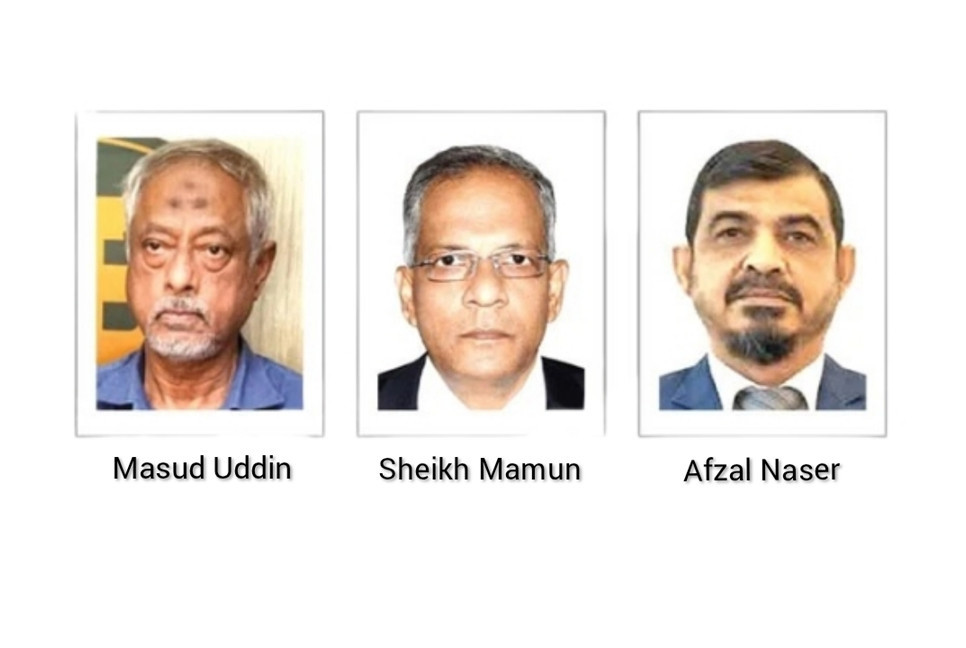
A ‘coordinated cabal’ was behind the events of One-Eleven, according to emerging accounts. Alongside a number of highly ambitious officers within the armed forces, influential bureaucrats of the time, police officials, at least ten prominent figures from NGOs and development organisations, politicians, and at least five foreign embassies in Dhaka played notable roles in efforts to depoliticise the country. Although the plot for One-Eleven was conceived during the tenure of the BNP–Jamaat alliance government, its top leadership remained completely in the dark.
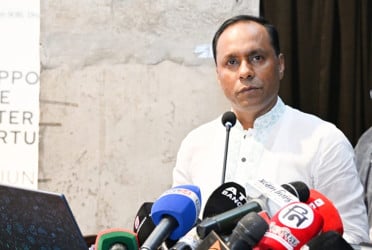
These sensational claims have surfaced in the statements of two retired lieutenant generals—Masud Uddin Chowdhury and Sheikh Mamun Khaled—as well as dismissed Lieutenant Colonel Afzal Naser, who are currently on remand with the Dhaka Metropolitan Detective Police (DB). When asked, DB Joint Commissioner Mohammad Nasirul Islam said that investigators were obtaining substantial information during questioning, but cautioned against commenting before proper verification. He added that particular importance is currently being given to the allegations brought against Masud Uddin Chowdhury.
Sources indicate that due to excessive trust in Masud Uddin Chowdhury, the top figures of the then BNP government were kept uninformed, allowing the One-Eleven plot to be orchestrated step by step. A series of incidents—including nationwide bomb attacks, the 21 August grenade attack, and the 28 October 2006 logi–boitha rally in Paltan—are also cited in this context. At the time, Additional Inspector General of Police (Administration) Nobobikrom Kishore Tripura, SB chief Baharul Alam, and then City SB SP Golam Rasul reportedly maintained regular contact with the DGFI office. This trio allegedly identified officers perceived to be close to the BNP and systematically sidelined them through transfers to less important posts or by placing them on OSD status.
Among former civil servants, at least ten influential officials—including Ali Imam Majumder, Abdul Karim, and the late Saadat Hossain—were reportedly aware of the One-Eleven process. An official, speaking on condition of anonymity, said that Masud Uddin Chowdhury and Mamun Khaled initially appeared uncomfortable during face-to-face interrogation, but that significant information has since emerged and is now being verified.
Relevant sources further claim that key changes in military leadership were made well in advance with One-Eleven in mind. Despite being an officer of the former Rakkhi Bahini, an individual was brought into the army’s intelligence structure reportedly due to his familial ties to the late Saeed Eskander. He was subsequently appointed director of an important DGFI bureau, GOC of Comilla, and later GOC of the Ninth Division. On his advice, Moeen U Ahmed was appointed Chief of Army Staff, bypassing more senior officials. It was during his tenure that the DGFI became actively involved in the political process.
On the recommendation of a political party, ATM Amin was appointed to a key DGFI post and allegedly became increasingly associated with corruption. Acting on Moeen U Ahmed’s wishes, he is said to have aligned with Sheikh Hasina and facilitated the Awami League’s return to power. However, Masud Uddin Chowdhury reportedly favoured the imposition of martial law, leading to internal conflict between him and Moeen U Ahmed. To resolve the dispute, they reportedly sought the assistance of two influential foreign embassies, with ATM Amin acting as coordinator.
Sources citing interrogation findings also allege that civil society organisations such as Shushashoner Jonno Nagorik (SHUJAN) and Centre for Policy Dialogue (CPD) played highly controversial roles. Under the banner of ‘good governance’, they are said to have conducted a series of programmes, including seminars, discussions, and campaigns, aimed at shaping a particular opinion group. The media was not exempt, with at least two outlets reportedly playing significant roles behind the scenes of One-Eleven.
Bd-pratidin English/ ANI