After a long twenty-year gap, the BNP has once again taken the responsibility of governing the country. Following a landslide victory in the 12 February elections, the party formed the government on 17 February. The BNP has assumed office in a challenging situation, carrying the weight of new leadership, fresh commitments, and enormous public expectations.
It has already been a month since the BNP government, led by Tarique Rahman, took charge. While it is premature to fully evaluate a five-year government based on just one month, the initial actions are extremely important. The beginning signals the path the government intends to take and how it aims to move forward.
The BNP’s start under Tarique Rahman’s leadership is undeniably hopeful. The government has already taken several positive measures, instilling confidence among the people. Some steps have created the perception that this administration is genuinely committed to delivering good governance. The government has shown accountability toward the public within its first month. However, it also faces immediate challenges due to the Iran conflict and the flawed policies of the interim government. The road ahead will be tough.
In its first month, the government acted quickly on electoral promises. Initiatives like the Family Card, Farmer Card, e-Health Card, stipends for imams and other religious figures, agricultural loan waivers, canal-digging programs, and reduced public transport fares are being viewed positively. Efforts to control commodity prices have provided some relief to ordinary citizens.
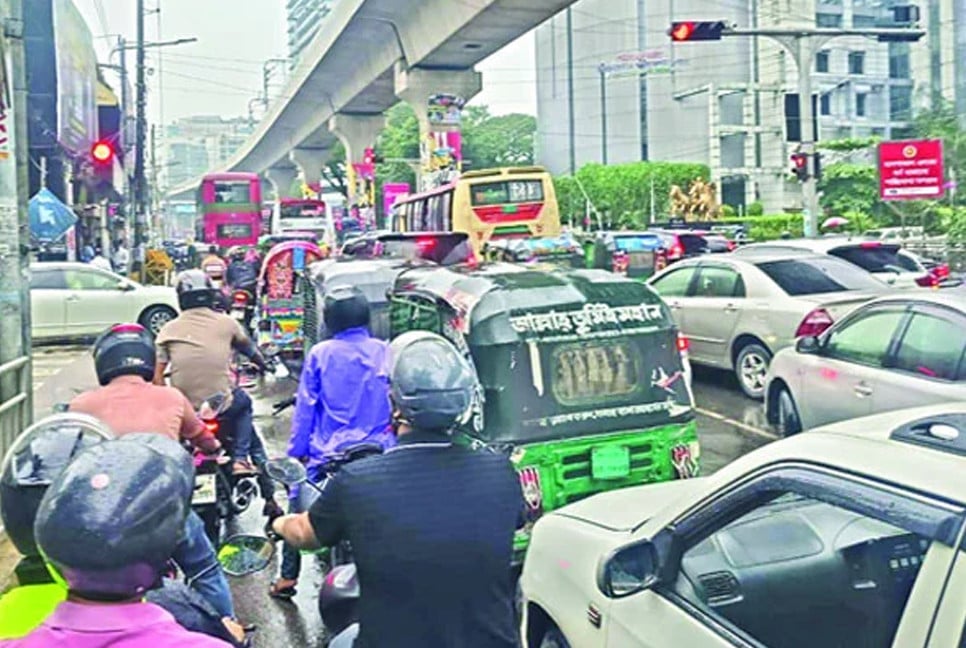
Prime Minister Tarique Rahman’s simple lifestyle, reduced protocol, and attempts to streamline administrative processes have also drawn attention. His punctual arrival at the Secretariat at 9 a.m. sends a clear message to all ministers and officials, boosting efficiency. By breaking long-standing practices like road closures for ministerial convoys and large motorcades, he has demonstrated accessibility. When he gets stuck in traffic, the public sees him as “one of us.” Within a month, he has established himself as a leader close to the people, which is a major achievement.
Meeting opposition leaders after securing a parliamentary majority has sent a message of political cordiality. Positive examples set by the government, such as MPs refraining from taking undue benefits like tax-free vehicles or plots, are being perceived well by citizens.
Quick decision-making after assuming office is a good sign. The removal of the controversial Bangladesh Bank Governor Ahsan H. Mansur was executed efficiently, signaling that the government shows no tolerance for incompetence. Similarly, changing the Chief Prosecutor after corruption allegations at the International Crimes Tribunal demonstrates decisiveness.
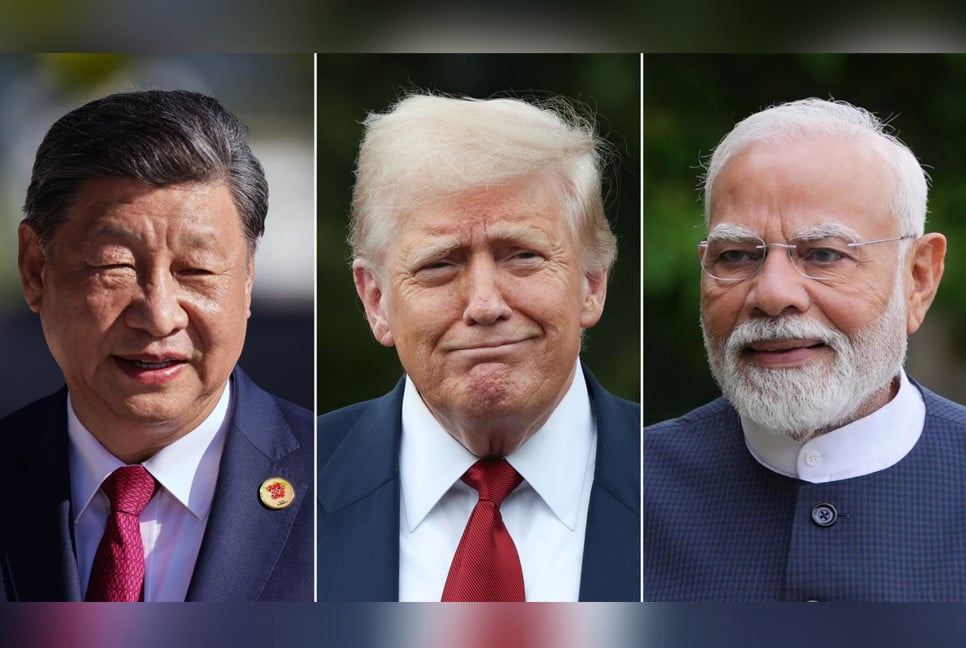
The government also prioritized diplomatic relations immediately after taking office. India, Bangladesh’s largest and most important neighbor, had experienced strained relations under the interim government. The BNP government has begun normalizing ties, as reflected in decisions like importing fuel through the Bangladesh-India Maitree Pipeline. Earlier, strained relations had even prevented Bangladesh’s cricket team from participating in the World Cup in India—a rash and childish move. The current government has started working to improve bilateral relations, with the Foreign Minister scheduled to visit India on April 7.
In sports, the BNP government has signaled new potential. Prime Minister Tarique Rahman’s presence at the Independence Day friendly football match, accompanied by his daughter Zaima Rahman, highlighted the government’s focus on sports. He announced plans to nurture new players and professionalize sports, including launching competitions across districts, upazilas, and unions in schools—a crucial initiative. Success will require participation from private industries, multinational companies, banks, and other corporate entities, which could transform Bangladesh’s sports landscape.
Two decades ago, students actively participated in sports both during and after school. Reviving this culture could help protect youth from drugs and violence. Engagement in sports keeps children away from negative influences. Collaboration between public and private sectors has historically driven sports development in countries that excel in this field.
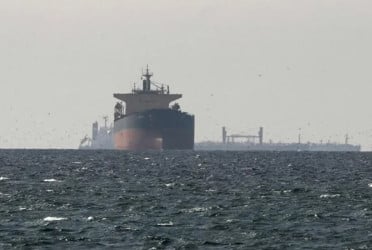
Despite these positive steps, dark clouds loom over Bangladesh’s economy. Within days of forming the government, the Iran conflict has plunged the country into an economic crisis. Under Dr. Yunus’s leadership over the past one and a half years, the economy suffered significant setbacks. Thousands of factories closed during the interim government, leaving millions unemployed. Mob violence and extortion have paralyzed private entrepreneurs, halting new investments and employment. The interim government harassed businesses with baseless cases and media trials, undermining investor confidence. Exports fell, and the economy relied heavily on remittances and loans. The new government must quickly revive private sector confidence.
To achieve this, the BNP government must take immediate and visible steps:
- Reopen closed factories swiftly.
- Withdraw all false cases against businesspeople.
- Restore bank accounts of closed businesses and industrialists.
- Stop harassment of entrepreneurs under the guise of corruption investigations.
- Formulate a rapid action plan to restore private sector confidence without dwelling on past allegiances.
- Restore discipline in the financial sector, rebuilding public trust in banking.
- Eliminate mob violence, which remains a major barrier to development.
- Enforce zero-tolerance policies against extortion.
While the government has promised these actions, the public has grown skeptical. Citizens now seek tangible results rather than assurances—they want peace and relief from chaos.
Some ministers’ careless statements in the first month have caused public annoyance. Past talkative ministers’ shadows should not repeat. Conflicting statements on issues like the fuel crisis have caused confusion and questioned the government’s efficiency. A single government spokesperson should communicate official positions consistently to preserve credibility.
The government must be transparent and protect media freedom. Independent mainstream media will counter misinformation and rumors on social media. Steps to withdraw false cases against journalists are urgent. Allowing the media to operate freely is crucial.
It is important to remember that although the election is over, conspiracies continue. The opposition will pressure the government on various issues, and those who kept the BNP out of power for twenty years remain active. The global situation is unfavorable, so the government’s path will not be smooth. There is no honeymoon period; the government must prove its capability through action. Its greatest ally is the people, and public trust is its strongest asset. To harness this strength, the government must act transparently and involve the people in overcoming crises.
Bd-pratidin English/ ANI