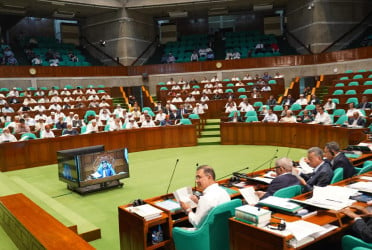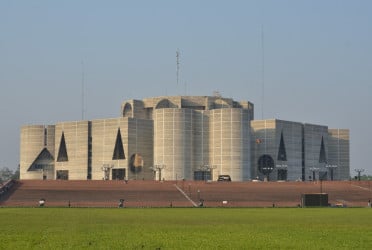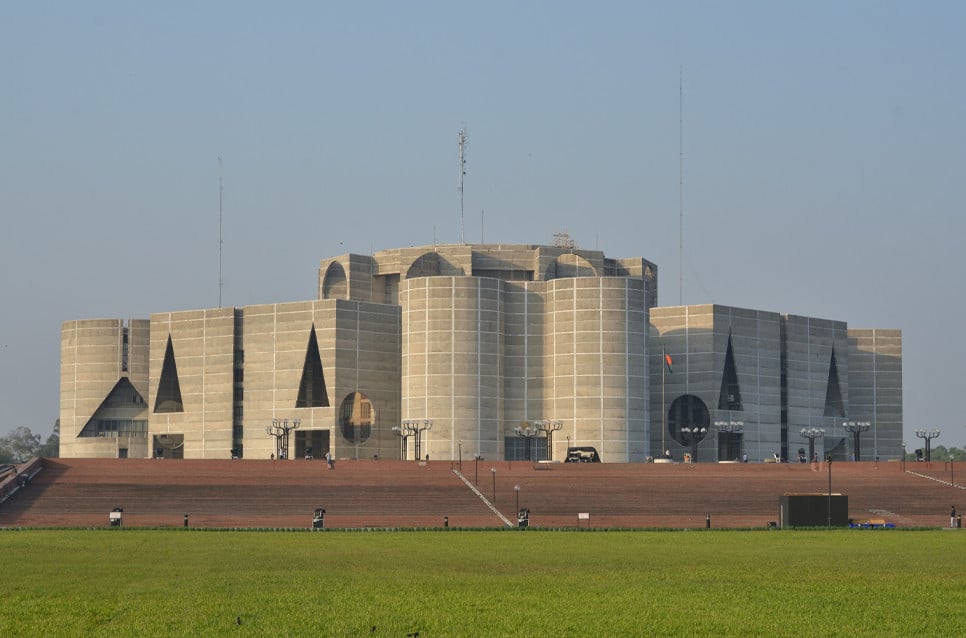
The deadline for convening the first session of the proposed Constitution Reform Council has passed without action, plunging the fate of one of the July uprising's central commitments into uncertainty and triggering a heated exchange between the treasury and opposition benches in parliament on Sunday.
Under the July National Charter Implementation Order 2025, the Reform Council's first session was required to be summoned within 30 days of the publication of the election results, a deadline that fell on 15 March.
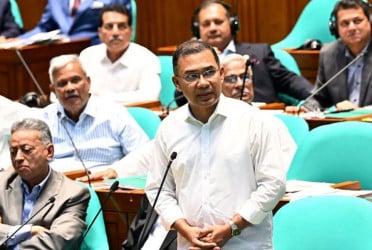
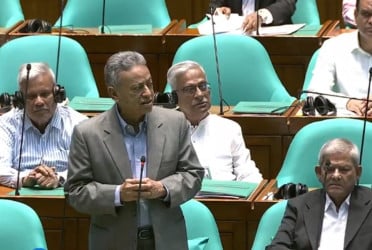
The President made no mention of the council when convening parliament on 23 February, and the deadline passed without a session being called.Leader of Opposition and Jamaat-e-Islami Ameer Dr Shafiqur Rahman raised the matter on a point of order in the House on Sunday, the second sitting of the 13th Parliament's maiden session.
He said, “The current parliament did not come through a normal electoral process. The commitments made in the July Charter, including the formation of the Reform Council, carried a mandate that could not be set aside.”
He noted that 77 opposition MPs had taken their oath simultaneously as members of parliament and as members of the proposed council, and said the issue deserved urgent attention.
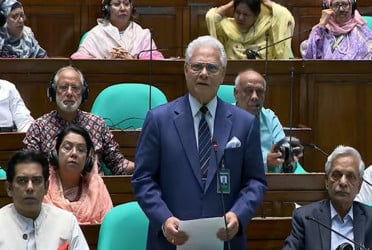
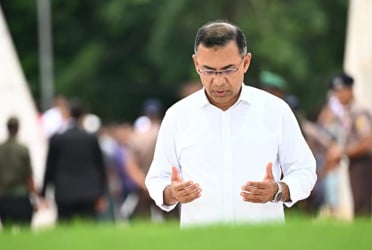
Home Minister Salahuddin Ahmed responded on behalf of the treasury bench, setting out the government’s legal position clearly.
He said, “The Constitution does not recognise any body called a Reform Council, and constitutional amendments cannot be made through ordinances under Article 93, which permits presidential ordinances only when parliament is not in session.”
He added that the constitutional validity of the Reform Council order had already been challenged in court, and that a rule had been issued.
“A state does not run on emotion, it runs as per the Constitution and the law,” he told the House, adding that any constitutional reform must go through proper legislative processes, beginning with an amendment to the Constitution itself.
On the timeline for such an amendment, the home minister was cautious. With 133 ordinances already placed before the House and a long recess ahead, he said there may not be sufficient time in the current session. He then suggested the constitutional amendment bill could potentially be introduced in the budget session if the Business Advisory Committee reaches a consensus.
Speaker Maj (Retd) Hafiz Uddin Ahmed declined to give an immediate ruling, asking the opposition leader to submit a formal notice under Rules 62 or 68 of the Rules of Procedure before he would respond.
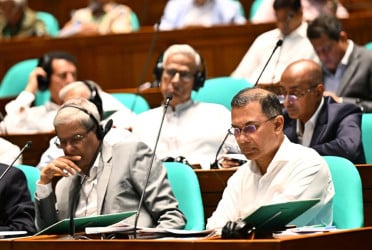
Several opposition MPs pressed the issue further during the discussion on the motion of thanks on the President’s address.
Jamaat MP Barrister Nazibur Rahman Momen argued that the July Charter Order could not be treated as an ordinary ordinance, as it was a constitutional order backed by a referendum.
Another Jamaat MP, Abdul Muntakim, said the government had an obligation to honour the spirit of the July uprising by moving to implement the charter.
Islami Andolan Bangladesh MP Maulana Mahmudul Hossain Waliullah also spoke in favour of forming the council.
Speaking to journalists after the sitting, Dr Shafiqur Rahman said the Jamaat-led 11-party alliance preferred a parliamentary resolution to the dispute and would submit the required notice as the Speaker had requested.
“We want the issue to be resolved in the parliament. But if, for any reason, a normal solution is not reached there, we will have to go to the streets with a movement,” he said.
The first session of the 13th Parliament has been adjourned until 3:00pm on 29 March and is scheduled to continue until 30 April.
Courtesy: Daily Sun.
Bd-pratidin English/TR