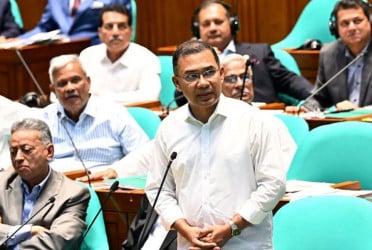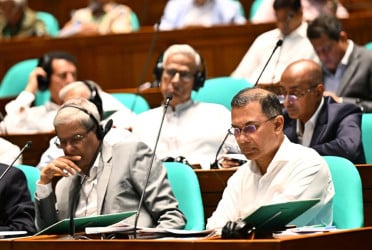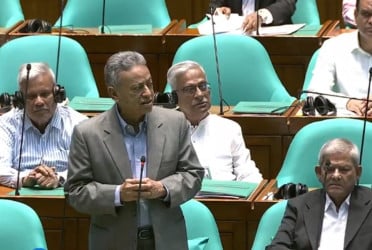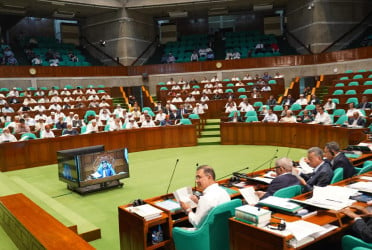
The first session of the 13th National Parliament may witness heated debate from its opening day over the issue of dual oaths as members of parliament (MPs) and members of the Constitution Reform Council.
Sharp disagreements have emerged among political parties that won the February 12 general election regarding whether elected MPs should also take an oath as members of the Constitution Reform Council.
The BNP-led alliance and the Jamaat-led alliance have taken opposing positions on the matter. The disagreement has already led to tensions, including a precedent of boycotting a cabinet oath-taking ceremony.
MPs from both alliances indicated that the issue could trigger intense debate during points of order on the first day of the parliamentary session.
Elected MPs took their oath as parliament members at the Parliament Secretariat on February 17. BNP and its allies refrained from taking the additional oath as members of the Constitution Reform Council, arguing that the council has no legal basis in the existing constitution.
In contrast, MPs from the Jamaat-led alliance took both oaths, citing the July Charter Implementation Order as the legal basis for the second oath. The differing legal interpretations have deepened the divide between the alliances.
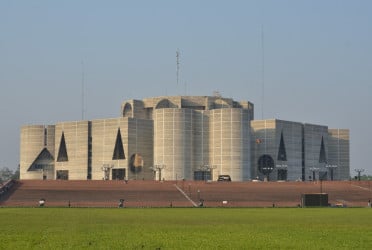
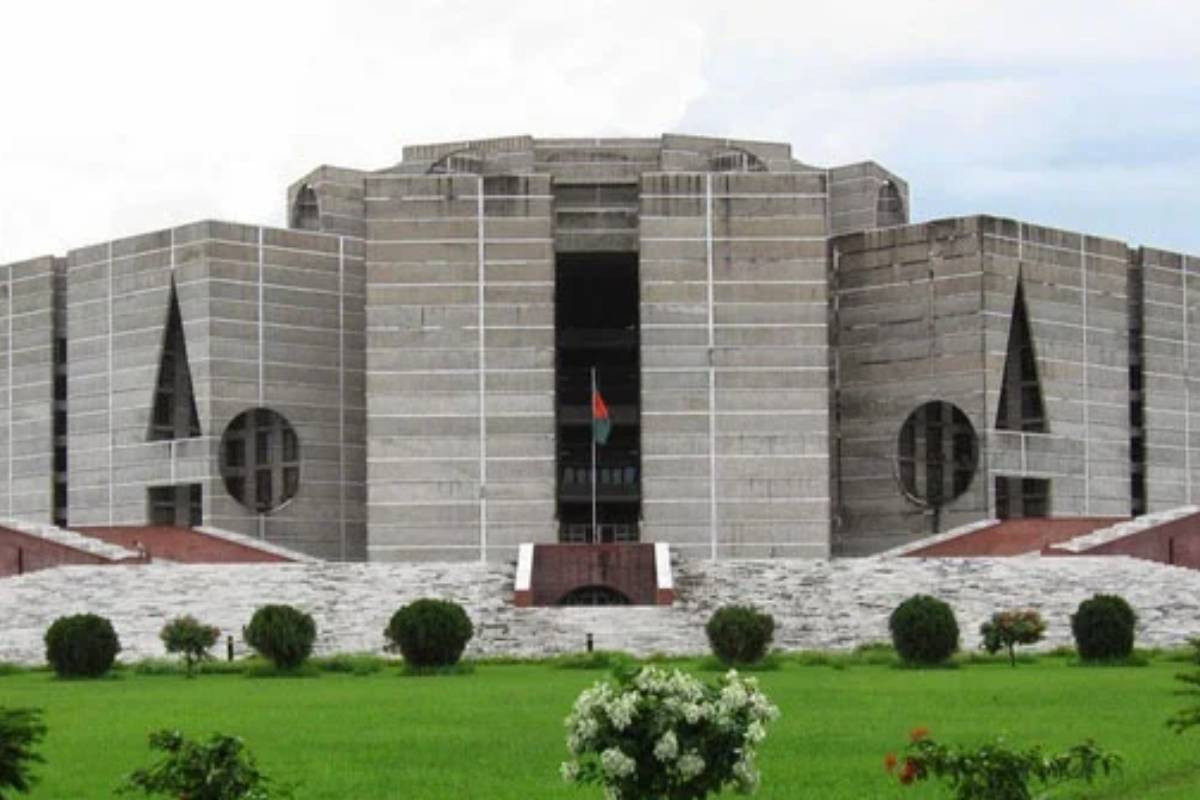
The first session of the 13th National Parliament is scheduled to begin at 11:00 am tomorrow. The Parliament Secretariat said preparations have been completed, and most renovation work at the parliament complex—damaged during the 2024 mass uprising—has already been finished.
The session will begin exactly one month after the general election.
Officials at the Parliament Secretariat said several MPs from BNP and Jamaat have contacted the library and research wing to learn under which provisions of the parliamentary rules the oath issue could be raised or recorded in the proceedings.
Some MPs plan to raise the issue during question-and-answer sessions or points of order, while others are considering submitting formal notices to bring the matter before parliament.
Under the July Charter Implementation Order-2025, newly elected MPs are required to take two oaths: one as an MP and another as a member of the Constitution Reform Council.
BNP, the majority party in parliament, has taken only the oath as MPs, arguing that the council undermines parliamentary sovereignty and lacks constitutional legitimacy.
On the other hand, Bangladesh Jamaat-e-Islami and the Jatiya Nagorik Party (NCP) have taken both oaths, saying the move is necessary to implement reforms mandated by the referendum held under the July Charter.
Observers say the refusal of some MPs to take the second oath could create a legal and institutional vacuum regarding the effectiveness and legitimacy of the Constitution Reform Council.
Leaders from the Jamaat alliance have warned that avoiding the second oath would contradict the aspirations of the July movement. With a 180-day deadline set for completing reforms, the pressure to resolve the issue may intensify from the very first day of the parliamentary session.
According to those involved in drafting the July Charter, the July National Charter (Constitutional Reform) Implementation Order issued by the president stipulates that if the referendum results in a “yes” vote, elected MPs will automatically serve as members of the Constitution Reform Council.
The council requires a quorum of 60 members to function. Following the referendum, which approved the order, 77 elected MPs from the Jamaat-NCP alliance took both oaths simultaneously.
They argue that the MPs who have taken the oath can directly proceed with constitutional reforms under the July order, though analysts warn the situation could trigger political and legal disputes surrounding the implementation of the charter.
Bd-pratidin English/ Jisan