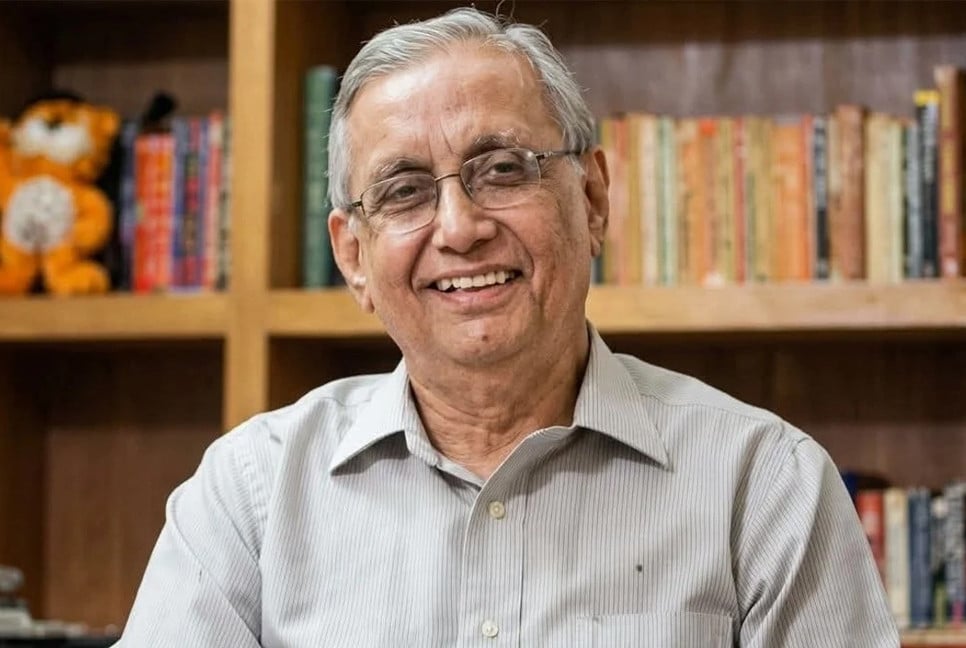
On 25 May, 2024, Chowdhury Ashik Mahmud Bin Harun jumped from an aircraft at an altitude of 41,000 feet over Memphis, USA. Holding the Bangladeshi flag, his skydive was recognised by the Guinness World Records on 1 July of the same year.
A few months later, on 12 September, he was appointed Executive Chairman of the Bangladesh Investment Development Authority (BIDA) and the Bangladesh Economic Zones Authority (BEZA). Confident in his new role, Ashik launched a series of promotional initiatives focused on attracting investment.
Eighteen months ago, when Prof Muhammad Yunus’s interim administration brought Ashik from abroad and appointed him as BIDA’s executive chairman, an unusual wave of admiration emerged around him. Social media buzzed with praise for his English-speaking style, smart appearance, and confident presentation – dubbed by some as “Ashik magic.” He was portrayed as the person who would flood the country with foreign investment. But after a year and a half, questions are being raised: did this “magic” ever truly exist, or was it merely inflated publicity from the start?
Investigations suggest that the BIDA chairman spent more energy promoting Prof Yunus’s image and social business agenda than advancing national investment interests. Critics argue that he effectively acted as a marketing figure for various Grameen-linked enterprises.
A look at the numbers since Ashik assumed office paints a discouraging picture. In fiscal year 2024–25, new foreign investment reportedly amounted to only $550 million – the lowest in five years. Even during the pandemic, investment levels were higher. Although net foreign direct investment rose to US$1.69 billion, much of that came from reinvestment and loans by existing firms, not new investors.
Registered investment proposals at BIDA fell by 58%. During the pandemic year, proposals worth over Tk1.05 trillion were registered; last fiscal year, that figure dropped to Tk660 billion.
In the first 10 months of the current year, registered projects declined to 814, compared to 1,113 the previous year. Imports of capital machinery fell by 19%, and private sector credit growth has remained below 7% for six months, down from over 10%.
A major investment summit held in April last year generated significant publicity. Representatives from 50 countries attended, with announcements totaling about Tk31 billion in proposed investments. Social media celebrated the event – but critics ask where those investments are today. Large domestic entrepreneurs alone could invest comparable amounts, yet they were not meaningfully engaged. The rhetoric was loud, but tangible outcomes remain absent.
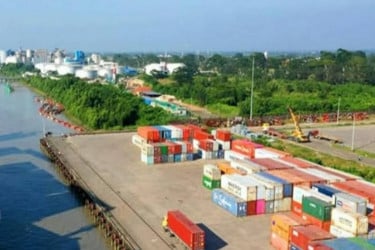
Core investment challenges remain unresolved. The banking sector is fragile, with several banks nearing insolvency. Lending interest rates exceed 15%, far higher than in countries like Vietnam or India. Persistent electricity and gas shortages continue, port logistics at Port of Chittagong are slow, and digital infrastructure remains limited. Law and order concerns and political instability undermine confidence. Domestic entrepreneurs are struggling to protect their capital and are waiting for a stable, elected government. Foreign diplomats have openly indicated that significant investment is unlikely without political stability.
Regional comparisons highlight the gap: India attracted $27 billion in 2024, Indonesia $21 billion, Vietnam $20 billion – while Bangladesh received about $1.5 billion. Even Pakistan reportedly surpassed Bangladesh, reversing a previous trend. Critics say these comparisons expose the weakness of claims surrounding Ashik’s supposed investment “miracle”.
BIDA argues that previous inflated or ineffective registrations were eliminated, explaining the decline in numbers. Critics counter that this avoids the central issue: real investment and job creation. Factories are closing, employment is shrinking, and the economic reality is worsening.
Ashik’s efforts have centered on large infrastructure and logistics deals, including controversy over foreign involvement in Chittagong Port. Critics claim these actions resemble a blueprint for transferring national assets. Policy reform and genuine business climate improvements have taken a back seat to high-profile announcements.
Economist Masrur Riaz commented that Ashik was brought in from outside the bureaucracy with hopes of bold reform, yet no major structural changes materialised. Initiatives began but were not carried forward. Meanwhile, questions persist about where promised investments went. No major new factories or employment have emerged, critics say, while Ashik’s personal profile appears to have grown.
Promotional efforts include investment heatmaps, summits, registering satellite internet services with Starlink, cooperation with NASA on peaceful space exploration, consolidating investment promotion agencies, and welcoming logistics investment from Denmark-based A.P. Moller-Maersk at Chittagong Port. However, critics argue these publicity-driven initiatives have yet to translate into measurable investment growth.
According to balance-of-payments data from Bangladesh Bank, net FDI inflow during the first nine months of the fiscal year fell 26% year-on-year. Capital machinery imports also declined sharply, and private investment as a share of GDP dropped to 22.48%.
Questions remain about Ashik’s qualifications and appointment. Sources suggest he was selected solely at the discretion of Prof Yunus, with longstanding ties to Grameen-affiliated social business ventures. Critics allege that his appointment primarily benefited those networks. Some observers argue that rather than acting as BIDA’s executive chairman, he functioned more as a marketing manager for Grameen interests. With Prof Yunus no longer in office, domestic entrepreneurs are calling for a qualified, investment-focused leader to take over BIDA.
Bd-pratidin English/TR