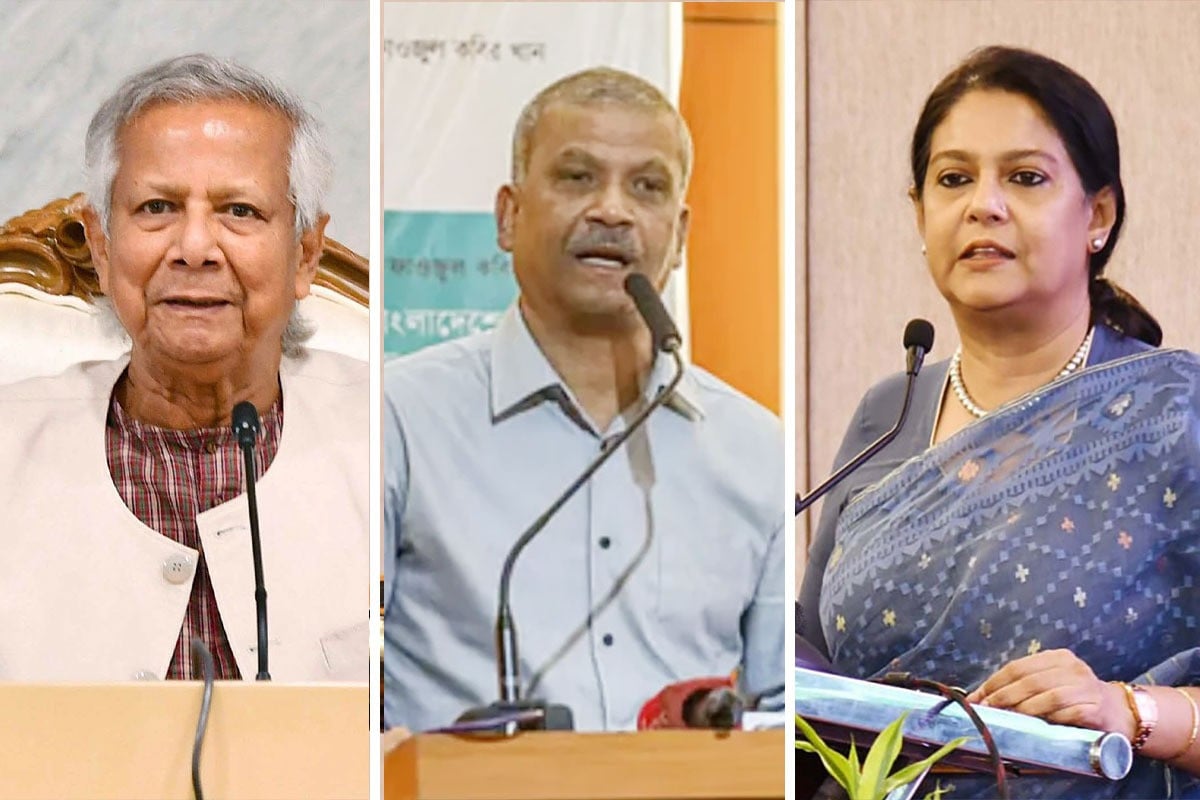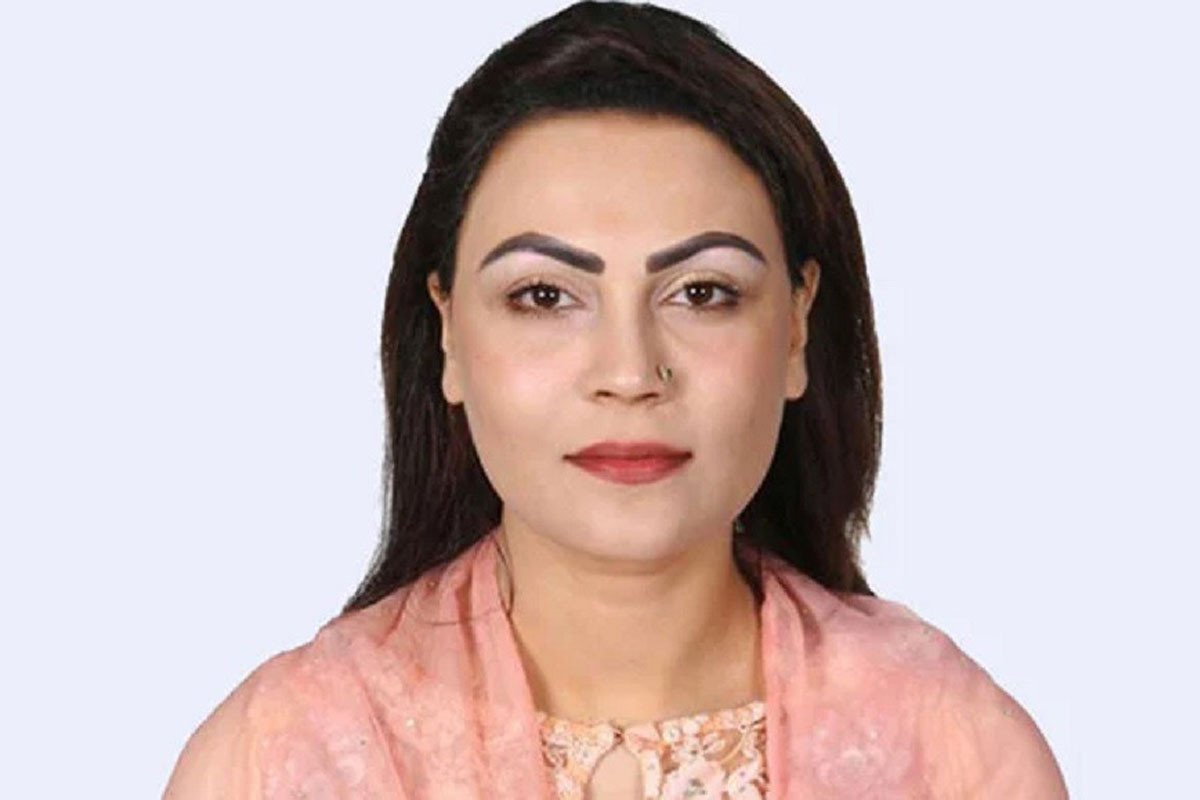
There has recently been a surge in the summoning of bank accounts belonging to former advisors and special assistants of Bangladesh’s interim government. After the accounts of Asif Mahmud Sajib Bhuiyan were called for scrutiny, the Bangladesh Financial Intelligence Unit (BFIU) has now sought banking information on several other former officials: Syeda Rizwana Hasan, Fawzul Kabir Khan, Adilur Rahman Khan, and Khoda Baksh Chowdhury, Special Assistant to the Principal Advisor at the Ministry of Home Affairs.
The BFIU has sent letters to banks and financial institutions across the country requesting detailed information about the accounts of these individuals. The request, part of an investigation into possible unusual financial transactions, asks banks to submit personal account details in Excel format within three working days.
During the interim government, Syeda Rizwana Hasan oversaw the Ministry of Environment, Forest and Climate Change as well as the Ministry of Water Resources and Information and Broadcasting. Fawzul Kabir Khan served as Advisor on Power, Energy and Mineral Resources, while Adilur Rahman Khan was Advisor on Housing and Public Works and Industries.
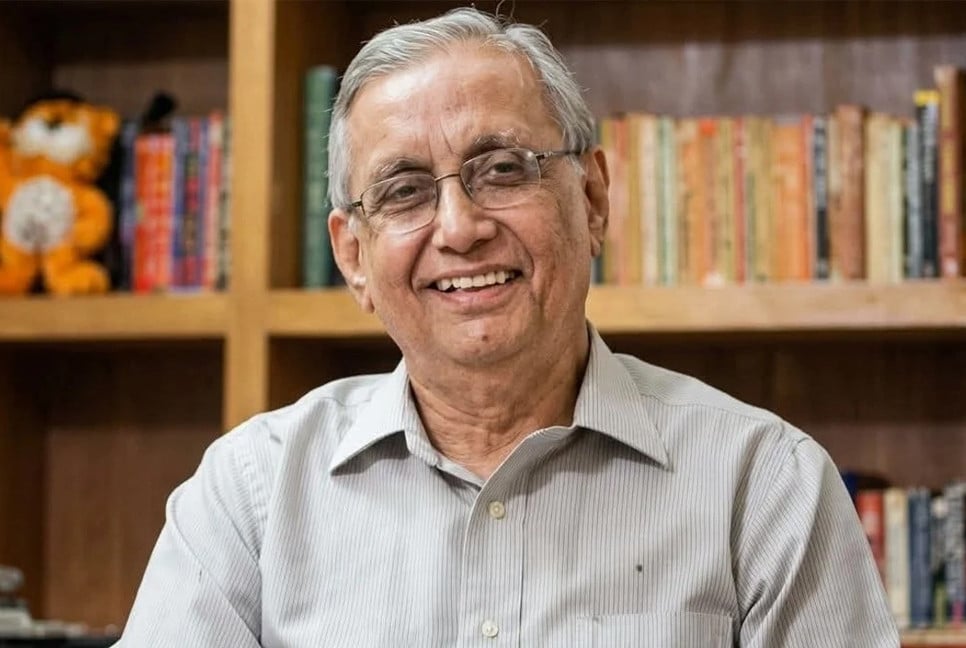
After his bank account was summoned, former student advisor Asif Mahmud held a press conference on March 4 and publicly disclosed details of his banking transactions.
This situation raises a fundamental question: can corruption really be detected simply by examining someone’s bank account?
Typically, individuals deposit legally earned income in banks. It is unlikely that money obtained through corruption would be stored in a traceable banking channel. Today, there are numerous alternative avenues for concealing illicit wealth.
A study by the Berlin-based anti-corruption organization Transparency International highlights several common methods used globally to hide corrupt earnings. Among them is the growing use of cybercurrencies such as Bitcoin, which have gained popularity because of their relative anonymity.
The study also notes the emergence of international financial institutions and investment vehicles designed to convert illicit funds into legitimate assets. Hundreds of such companies operate in Europe and the Middle East, laundering money under the guise of investment. In addition, several tax-haven jurisdictions allow funds to be transferred without meaningful scrutiny. Agents now operate in many countries to facilitate the transfer of money to these offshore destinations.
Experts studying corruption say that billions of dollars can be legitimized almost instantly through global financial networks. As illicit wealth becomes more integrated into the global economy, traditional banking systems are no longer the primary channels through which such money flows.
This raises another question: if these realities are widely known, why does the BFIU continue to focus on summoning bank accounts?
In Bangladesh, the banking system is largely digital. From account opening to financial transactions, information flows directly to Bangladesh Bank. If suspicious activity occurs, regulators such as Bangladesh Bank or the BFIU can detect it through their monitoring systems without publicly summoning account records.
Critics therefore question whether such public actions are necessary.
After the fall of the Awami League government, the large-scale summoning and freezing of bank accounts reportedly began under the direction of the then governor of Bangladesh Bank. Some observers argue that these actions created media trials that damaged the reputations of individuals even before any wrongdoing was proven.
However, the results have not supported many of the allegations.
During the tenure of the interim government, approximately 10,000 bank accounts were summoned or frozen, with around 1,000 remaining blocked for one to one and a half years. Yet authorities have not publicly presented clear evidence of money laundering from any of these accounts.
Reports also suggest that around 90 percent of the affected accounts contained less than one million taka.
There have been allegations that transaction figures were sometimes presented in ways that exaggerated financial activity. For example, a person who deposited one crore taka over a lifetime and later withdrew nine million might have the total deposits and withdrawals combined and presented as a much larger transaction figure, creating a misleading impression of wealth or suspicious activity.
At the same time, officials claim that approximately 26 lakh crore taka has been laundered abroad. When such enormous figures are contrasted with the relatively small balances found in the accounts being scrutinized, public confidence in the allegations weakens.
Over the past 18 months, Bangladesh Bank has not conclusively proven money-laundering charges against any of the accounts it has frozen. As a result, many observers believe these actions have created unnecessary harassment rather than meaningful progress against corruption.
Meanwhile, the central challenge—recovering money allegedly laundered abroad—remains unresolved. Not a single taka of overseas funds has reportedly been recovered during this period.
The widespread freezing and summoning of bank accounts has also created anxiety among ordinary depositors. This concern is heightened by the financial instability of several weak banks, where customers already face difficulties withdrawing their savings.
Together, these developments have gradually eroded public trust in the banking system—an institution that forms the backbone of any country’s economy. Wealthy individuals increasingly move their assets abroad, while even middle-class citizens feel that investing outside the country may be safer than investing at home.
If the goal is to combat corruption effectively, the focus must shift from symbolic actions to thorough financial investigation. Otherwise, public confidence in both the banking system and the fight against corruption will continue to decline.
Bd-pratidin English/ Jisan