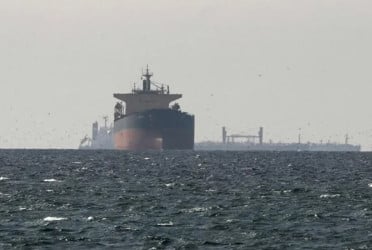
The Strait of Hormuz has long been regarded as the world’s most critical energy chokepoint. Roughly one-fifth of global petroleum consumption and close to one-third of seaborne LNG trade transit that narrow corridor. Any sustained disruption there would not remain a regional development; it would quickly transmit into global inflation, trade friction, and financial volatility.
For Bangladesh a net energy importer with a concentrated export base and significant remittance exposure to the Gulf — such a scenario carries immediate macroeconomic implications.
The central question is not whether oil prices can spike temporarily. Commodity markets are inherently volatile. The more important question is this: What if elevated prices in the $130–$150 range persist for several months?
The Mechanics of a High-Oil Scenario
Bangladesh’s annual fuel import bill typically ranges between $7 to 8 billion under moderate global price conditions. A sustained shift toward $140 to $150 per barrel could materially increase that figure, potentially approaching a doubling relative to lower-price baselines, depending on volume adjustments and subsidy policy.
As a working estimate, every $10 increase in crude prices may add approximately $500 million (or more) to the annual import burden, subject to exchange rate movements and procurement structure.
The macroeconomic implications unfold through several channels: Higher immediate USD outflows, Pressure on foreign exchange reserves, Exchange rate expectations, Imported inflation, Fiscal exposure through energy subsidies.
This is not simply a fuel pricing issue. It is an external accounts management challenge.
The “Scissors Effect”: External Outflows vs. Inflows
Bangladesh could face a tightening external balance from two sides simultaneously.
1. Energy Payments: A higher fuel import bill compresses reserve buffers unless offset by stronger export receipts, remittances, or multilateral financing support.
2. Remittance Sensitivity: A meaningful share of Bangladesh’s remittance inflows originates from Gulf economies. If regional growth slows, fiscal spending moderates, or labor markets adjust, remittance growth could decelerate. Even a moderate 15 to 20% softening in inflows would have measurable liquidity implications for the domestic FX market.
3. Export & Logistics Stress: The ready-made garments (RMG) sector accounting for more than four-fifths of merchandise exports remains sensitive to freight costs and shipping delays. Extended transit routes and higher marine insurance premiums increase working capital cycles and financing requirements. An extension from a 30-day to a 45–50-day shipping window can materially expand cash-flow exposure for exporters and their financing banks.
4. Inflationary Transmission: Energy is a universal input: transport, electricity, fertilizer, food logistics. Evidence from oil-importing emerging economies suggests sustained oil increases of $40–$50 per barrel can add several percentage points to inflation over time, depending on pass-through policy. For policymakers already balancing inflation control with growth support, the trade-offs become sharper.
A Necessary Policy Shift: From Expansion to Stabilisation
In periods of external stress, macroeconomic management often requires a temporary shift in emphasis from expansion to preservation of stability. Three priority areas merit attention:
1. Prudent Foreign Exchange Management: Foreign exchange allocation may require stricter prioritisation toward essential imports fuel, food, fertilizer, and critical industrial inputs. Maintaining adequate months of import cover and anchoring currency expectations is central to confidence.
2. Pre-emptive Sectoral Stress Testing: Banks and regulators may consider enhanced monitoring of energy-sensitive sectors such as steel, cement, and power-linked industries. Early assessment and calibrated restructuring, where appropriate, can reduce the probability of a sharp rise in non-performing loans.
3. Engagement with Multilateral Partners: Global financial safety nets exist precisely to address external shocks. Proactive engagement with multilateral institutions can strengthen reserve buffers and reassure markets, reducing the risk of disorderly adjustments.
The Structural Imperative
Beyond the immediate response lies a longer-term lesson. Energy-importing economies with concentrated export structures remain structurally exposed to commodity cycles. Over time, resilience can be strengthened through: Greater energy diversification, Expansion of renewables and storage capacity, Export diversification beyond a single dominant sector, Deepened domestic capital markets, Stronger fiscal buffers during stable periods.
Geopolitical disruptions are unpredictable. Structural vulnerability is not.
A Test of Institutional Coherence
Bangladesh has navigated external shocks before from pandemic disruptions to commodity volatility. The distinguishing feature of a potential $150 oil environment would be simultaneity: higher import costs, logistical disruption, inflation pressure, and currency management challenges occurring together. The response need not be dramatic. It must be disciplined. This is not a call for alarm. It is a call for preparedness. Ultimately, whether a global energy shock translates into temporary discomfort or systemic strain will depend less on the headline oil price and more on the speed, coordination, and credibility of domestic policy execution.
Disclaimer: This article reflects the author’s personal analysis based on publicly available information as of the date of publication. The views expressed are solely those of the author and do not represent any institution or employer. All projections are scenario-based and subject to uncertainty. This content is for informational purposes only and does not constitute financial, legal, or investment advice. No responsibility or liability is assumed for decisions taken based on the contents of this analysis.