If democracy and the rule of law could be established simply through holding elections, Bangladesh might have set an example of democracy for other nations over the past 55 years. But that has not happened. Even after more than half a century, the country continues to face an image crisis internationally. Despite its vast population, few countries in the world are as socially homogeneous as Bangladesh. Nearly the entire population speaks one language; around 90 per cent share the same faith; cultural practices, dress and food habits are largely similar. Yet democracy in Bangladesh remains elusive—at times within reach, only to slip away again.
Although the nation lacks deep ethnic divisions, minor issues have erected formidable psychological barriers among people. The side that has shown the greatest intolerance has repeatedly paid a heavy price, yet failed to learn from it. As a result, democracy has at times receded, and at other times the country has stumbled as a whole. The public hopes such situations will not recur.
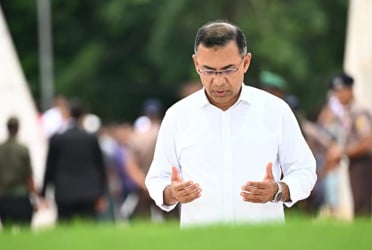
This renewed optimism stems from the general election held on 12 February. The BNP secured more than two-thirds of parliamentary seats and formed the government. Only two weeks have passed since it assumed office, so it may be premature to draw firm conclusions. Still, the proverb “the morning shows the day” may apply. The process of removing appointees of the outgoing interim government from state institutions, the persistence of extortion, and some ill-judged remarks by certain ministers suggest hesitation within the administration. Prime Minister Tarique Rahman may still be weighing the immense responsibilities of office and determining what should be pursued or avoided.
On 25 December, before a sea of supporters, he outlined plans for governing. Now, amid senior and experienced colleagues, does he feel reluctant to declare those plans openly and issue clear directives? The nation has placed immense trust in him; there is little room for hesitation.
He has closely observed what is required for development and good governance. Leading a major party in exile for 17 years while keeping it united is commendable. Now comes the real test. When a party assumes power, conflicts of interest soon arise. After nearly two decades in opposition, during which BNP leaders and activists endured repression, imprisonment and even loss of life, it is natural for many to expect recognition of their sacrifices. Yet once in government, the party leader’s foremost duty—by oath—is to the people, not merely to the party. Failure to manage expectations can create serious difficulties.
Vigilance towards sections of the bureaucracy sympathetic to the previous regime is essential. At critical junctures in Bangladesh’s history, parts of the civil service have resisted change and confined new governments to routine functions, impeding fulfilment of electoral pledges. If the new government firmly upholds its mandate and guides the bureaucracy effectively while the “iron is hot”, resistance may subside.
Past leaders have often governed autocratically and fostered flattery. The example of former Prime Minister Sheikh Hasina illustrates how excessive adulation can distort governance. BNP’s strength historically lay in popular participation and tolerance towards opposition. While rewarding deserving party workers is understandable, it must avoid cultivating sycophancy. History shows how flattery led to the proliferation of institutions named after leaders, only to be erased following political change. Imposed glorification never endures.
Nearly nine centuries ago, the Seljuk statesman Nizam al-Mulk advised: “Give each person their due.” No one should benefit merely from a ruler’s favour, nor be denied justice from disapproval. A ruler unable to control his courtiers cannot govern the people. Ministers’ conduct must be monitored, for the country’s welfare depends upon them. Honest and courageous officials ensure stability and prosperity; corrupt ones bring disorder. The best ruler, he said, is one who keeps the company of scholars, while the worst scholars are those who seek proximity to rulers.
The writer is a US-based senior journalist.