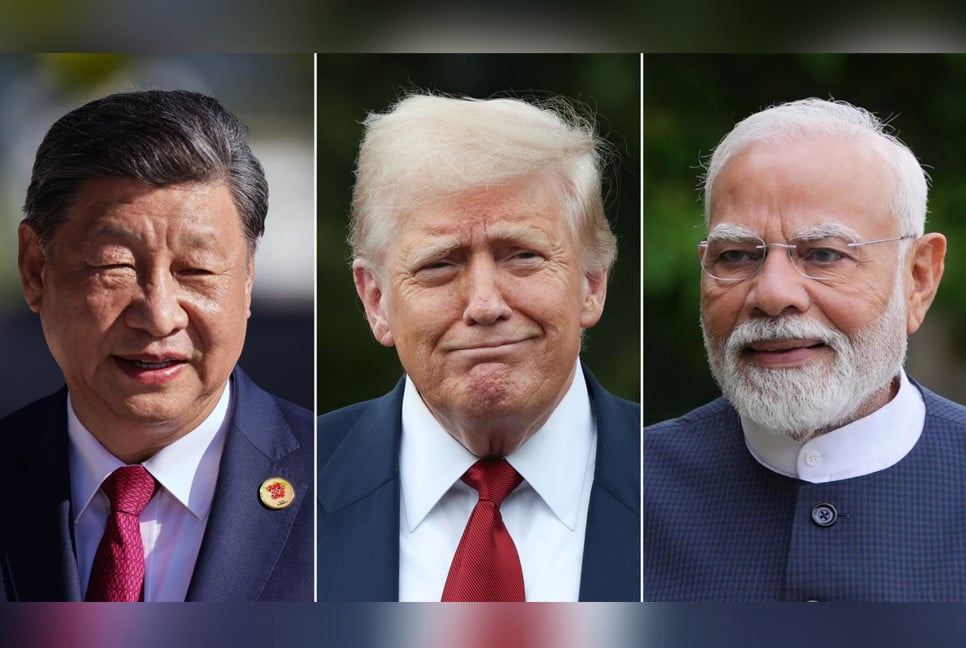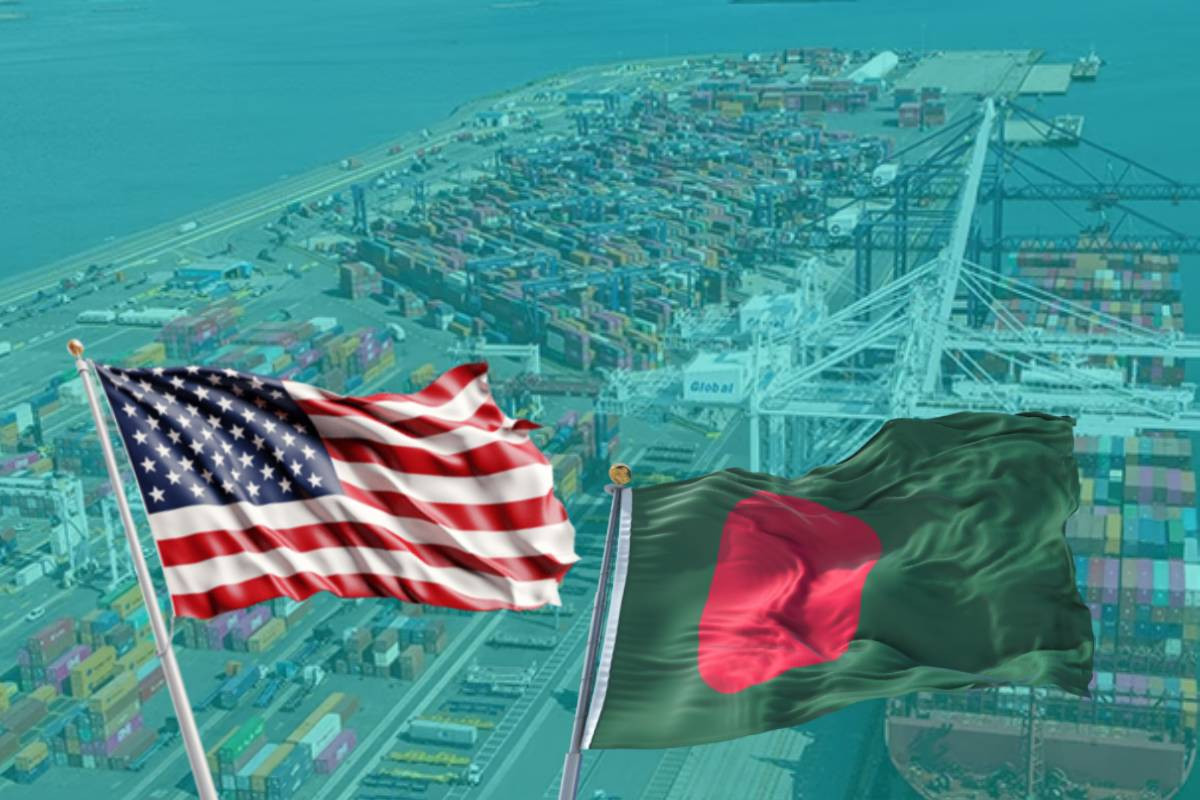
The Bangladesh government is awaiting an official letter from the United States following a U.S. court ruling that declared the Trump administration’s countervailing tariff structure illegal. The ruling comes alongside U.S. President Donald Trump’s announcement of a new 15 percent tariff, creating uncertainty over the Bangladesh-U.S. trade agreement.
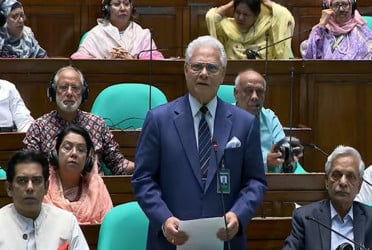
Commerce Secretary Md. Mahbubur Rahman said that, after the court decision, the U.S. can impose a 15 percent tariff on all trading partners. However, Bangladesh has not yet received formal communication. He noted that the 20 percent tariff imposed last August remains in effect, while the proposed 19 percent tariff under the new agreement has not been implemented. The government expects clarification from Washington in the coming days and continues to engage with U.S. authorities to determine the next steps.
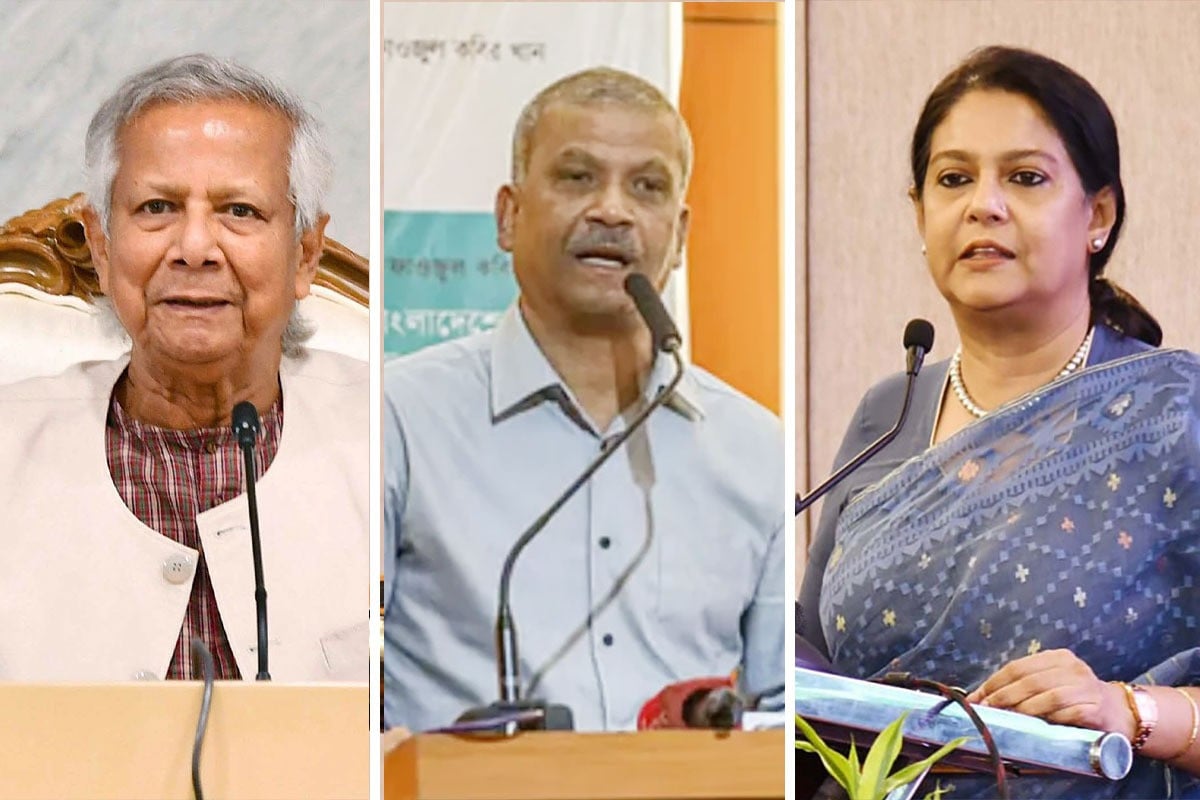
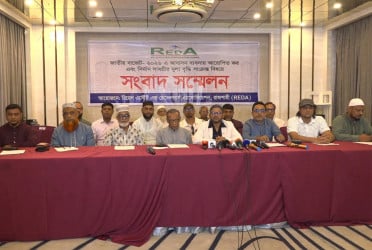
Experts see potential opportunities in the court ruling. Sovan Islam, Managing Director of Sparrow Group, said Bangladesh could renegotiate with the U.S. to secure a more favorable tariff and boost export competitiveness. Meanwhile, Fazle Shamim Ehsan, Executive President of the Bangladesh Knitwear Manufacturers and Exporters Association, criticized the interim government’s last-minute tariff agreement signed just days before national elections. He said the decision created uncertainty and alleged that some officials may have acted for personal gain. Ehsan urged the new government to explore ways to cancel or reconsider the agreement and stressed that trade deals should ideally be based on HS codes to ensure clear tariff and customs benefits.
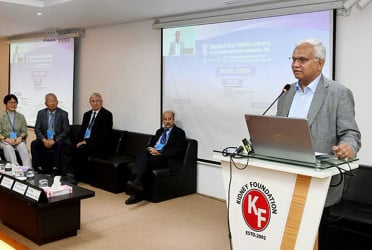
Professor Mostafizur Rahman, Honorary Fellow at the Center for Policy Dialogue, said that if a flat 15 percent tariff applies to all countries, Bangladesh would neither gain nor lose special benefits. He noted that the previous agreement aimed to reduce tariffs from 37 percent to 19 percent, and its effectiveness is now in question. Since the agreement has not yet taken effect, he argued, fresh negotiations with the U.S. should have been initiated rather than rushing the deal before elections. He also highlighted the usual 60-day period between an agreement’s effective date and the exchange of notes, which Bangladesh can use strategically.
Abdur Razzak, chairman of Research and Policy Integration for Development, emphasized that all such agreements require parliamentary approval and noted that the U.S. Congress may challenge the countervailing duty provisions. He said whether Bangladesh could ignore the agreement depends on legal interpretation but warned that missteps could prompt U.S. pressure. According to the Supreme Court ruling, the president does not have unilateral power to impose tariffs; however, existing tariffs can remain in effect for up to 150 days.
The combination of the U.S. court ruling, pending communication, and the looming 15 percent tariff has created both uncertainty and opportunity for Bangladesh’s trade policy, leaving the government with strategic decisions to make in the coming weeks.
Bd-pratidin English/ Jisan