The current phase of Bangladesh’s politics and statecraft cannot be confined to a single event. Rather, multiple threads—diplomacy, global relations, political conduct, and the human foundations of culture—come together to form a larger picture. While four separate developments have emerged this week, they represent four chapters of the same story.
1. Trump’s Letter: Courtesy or Strategy?
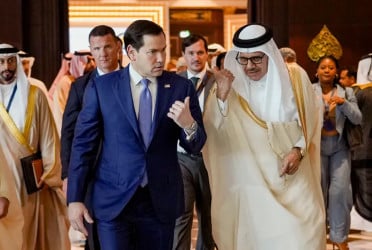
The letter from US President Donald Trump to Bangladesh’s new Prime Minister, Tarique Rahman, should not be dismissed as mere protocol. In international politics, no correspondence is purely ceremonial; each word carries priorities, expectations, pressure, and potential. The letter highlighted accelerating trade ties and urged defence cooperation, particularly agreements that would allow the Bangladeshi military to use advanced US equipment. Diplomatically, this sends a clear message: economics and security are now intertwined.
For Bangladesh, the implications are significant. The United States no longer views Bangladesh solely as a garment-dependent economy but as a key player in Indo-Pacific geopolitics, especially amid shifting balances of power in South Asia. It also signals an “opening” towards the country’s new leadership—both an opportunity and a test. Given the fluctuating relations of the past decade, Washington’s swift response underscores Bangladesh’s renewed importance on the global stage.
2. A New Chapter in Global Relations: Opportunities Ahead
Following the formation of the new government, world leaders have congratulated Bangladesh. Indian Prime Minister Narendra Modi emphasised advancing bilateral ties on the basis of “mutual security and prosperity” and invited Prime Minister Rahman on a family visit.
Congratulatory messages are usually protocol, yet this round reflects indications of immediate bilateral engagement. Invitations from India, positive signals from Europe, and interest from the Middle East suggest a new diplomatic momentum. Bangladesh is in a “reset moment.” The greatest challenge is balancing international relations: geopolitics, supply chains, and technology-security linkages must be navigated to transform donor-recipient ties into strategic partnerships.
India’s prompt invitation signals a desire to restore warmth in relations, while US engagement underlines Bangladesh’s growing global relevance. From the economy and labour market to maritime positioning and the Rohingya crisis, Bangladesh has become a “strategic state.” The new government must maintain multilateral engagement without showing over-reliance on any single power.
3. Small Acts, Big Message: Political Ethics in Leadership
Prime Minister Tarique Rahman’s symbolic actions—avoiding official luxury vehicles, using his own car, observing traffic rules—have drawn attention. Symbolic acts carry weight in politics, building public trust. After years of perceived detachment between power and people, such gestures send a strong political signal.
The key question remains: will this behaviour be consistent? Early enthusiasm is common in politics, but sustained reform is rare. If these behavioural reforms can translate into administrative changes, meaningful change will follow. Symbolism and ethics in leadership also send a positive message internationally: a government that is modest, accountable, and close to its people.
4. Faridur Reza Sagor: Trust, Institutions and Human Capital
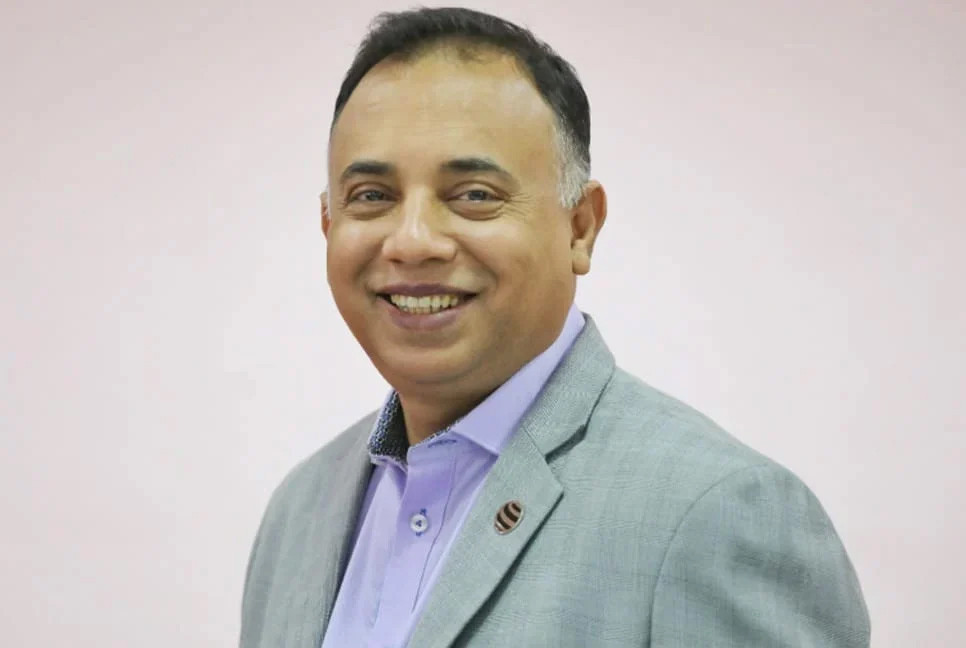
Ultimately, politics, diplomacy, and governance rest on people and culture. Yesterday marked the birthday of Faridur Reza Sagor, a pioneering figure in Bangladesh’s television and cultural landscape. As head of Channel i and Impress Telefilm, Sagor has played a quiet yet pivotal role in shaping the medium, fostering trust, encouraging creative risk-taking, and supporting people as individuals. Over 23 years and more than 8,000 episodes of Tritiyo Matra, Sagor has exemplified the power of leadership rooted in trust and freedom.
While many can be editors or organisers, those who empower others are rare. Sagor represents this rarity: his influence spans arts, literature, culture, and children’s literature. Leadership in culture, like in politics, sustains society. A state without culture has no soul; politics without humanity is unsustainable.
Four Threads, One Reality
Though distinct, these four dimensions are interlinked: Trump’s letter signals global attention; congratulatory gestures indicate new diplomatic openings; the Prime Minister’s conduct highlights the potential for symbolic reform; and figures like Sagor remind us that institutions endure through trust. Weakness in one pillar affects the others. Bangladesh now stands at a point where image and reality are being shaped simultaneously.
Conclusion
New chapters in Bangladesh’s history often begin, but not all are equally consequential. Today is significant because leadership change, global interest, and public expectation converge. Letters, congratulations, and symbolic acts are necessary, but history ultimately records continuity, principles, and strong institutions. In political terms: gaining power is an event; earning trust is a process. Just as television programmes endure through trust and freedom, so too does the state progress. Opportunities exist, challenges remain, and the question is whether Bangladesh can transform these opportunities into principled governance. Time will tell—but history is already watching.
Author: President, Centre for Governance Studies