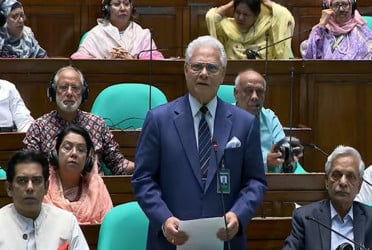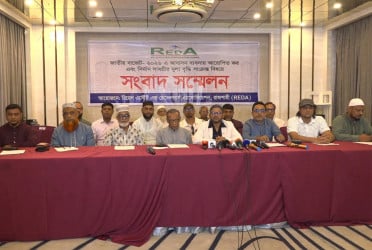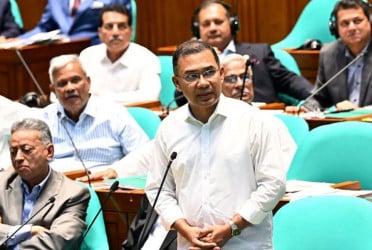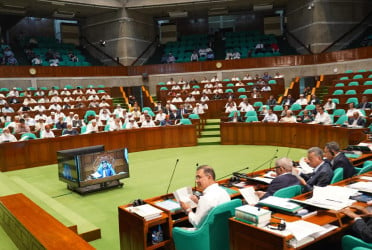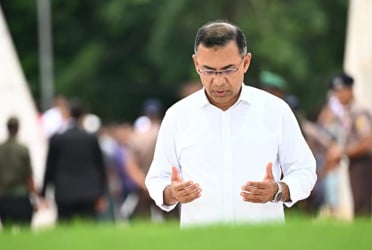
The nature of the day can often be foretold by the morning sunshine – morning shows the day. Yet in six-seasoned Bangladesh, the promise of the morning is sometimes belied by the afternoon. That, however, is a pessimistic way of thinking, and pessimism ought not to be indulged in politics. With an absolute majority, a new government led by Tarique Rahman has assumed office. From the moment members of the 13th National Parliament took their oath on 17 February, the message delivered by the new Prime Minister and the ruling party high command was both clear and resolute.
Jamaat-e-Islami and the NCP alliance are displeased that the BNP did not take part as members of the Constitution Reform Council proposed by the interim government’s intellectual patrons. Their supporters are disappointed — understandably so. Those who seek to take revenge for 54 years by overturning the Constitution achieved through the Language Movement, 23 years of struggle and sacrifice, and the glorious Liberation War of 1971 have seen their hopes dashed by the BNP’s strategic stance. They are aggrieved and angered. Yet the generation of the Liberation War and patriotic citizens have taken this position of the BNP as a hopeful sign. While the people desire reform of corruption and violent political malpractice, they are not prepared to allow the glory of the Liberation War to be undermined.
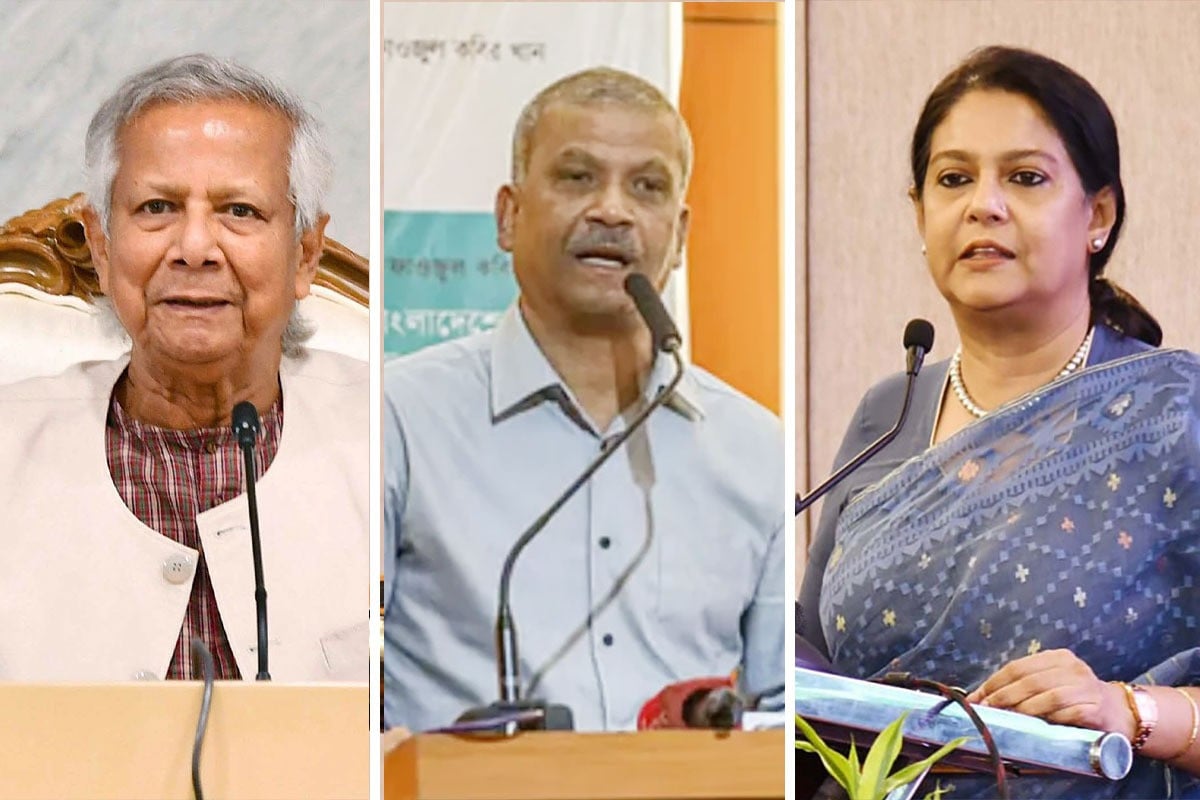
Prime Minister Tarique Rahman’s cabinet includes seasoned senior politicians alongside a dynamic group of young representatives. However, the inclusion of an influential member of Dr Yunus’s government has raised questions in some quarters. The matter is being interpreted both positively and negatively. Some believe geopolitical realities are at play; others argue the Prime Minister is confident in the minister’s competence and experience. In continuing the foreign policy initiated by President Ziaur Rahman — prioritising Bangladesh and safeguarding its interests while advancing regional cooperation — he may have deemed the appointment appropriate. President Ziaur Rahman’s guiding principle was “friendship to all, malice towards none”. He strengthened Bangladesh’s engagement with the Non-Aligned Movement and the Organisation of Islamic Cooperation and was the visionary behind SAARC. He also expanded ties with OIC countries, opening labour markets in the Middle East and transforming Bangladesh’s population into a valuable workforce. Today, remittances remain the country’s largest source of foreign exchange. Prime Minister Tarique Rahman appears to be following in his parents’ footsteps, emphasising technical education and multilingual skills. The newly appointed Foreign Minister has also stated the government intends to return to Ziaur Rahman’s foreign policy approach. It is hoped that this will soon be reflected in practice.
Last January, the BNP Chair announced a 31-point reform agenda for state reconstruction. If necessary constitutional amendments are made in line with this programme, no additional charter seems required. Upon returning home on 25 December after 17 years abroad, Tarique Rahman declared before a vast crowd, echoing Martin Luther King Jr., “I have a plan.” He later elaborated on this plan at divisional rallies, outlining measures for poverty alleviation, rule of law, strengthening democracy, modernising education, combating corruption, and adopting farmer-friendly policies. He also pledged to revive Ziaur Rahman’s historic canal-digging programme. These are clear commitments to the nation, reaffirmed in his first address as Prime Minister and in the visitors’ book at the National Martyrs’ Memorial. The time has come to fulfill those pledges.
Welcome, Holy Ramadan
The sacred month of fasting has arrived; today marks the second day of Ramadan. For Muslims, it is a time of purification and spiritual renewal. Unfortunately, a section of traders in Bangladesh habitually raise prices during Ramadan, causing hardship. In many Muslim countries, prices fall during this month; here, they rise — a regrettable practice. Exploiting consumers is an injustice. In his address, the Prime Minister urged traders not to inflate prices artificially. One hopes this appeal will not go unheeded. Meanwhile, the Trading Corporation of Bangladesh has begun selling essential goods at subsidised prices from trucks in Dhaka and Chattogram. Extending this initiative to rural areas would benefit low-income families and help stabilise markets. Over recent months, LPG prices have also risen significantly, often exceeding government-set rates, burdening urban households. It is hoped the new government will soon bring this under control.
Ekushey February Approaches
February is a month of inspiration for Bengalis — a call never to bow one’s head. Under the interim government, the significance of February appeared diminished. Last year, the month dedicated to the mother tongue was observed perfunctorily. This year, it arrives amid a new government and the holy month of Ramadan. It is expected, nevertheless, that the day will be observed with due dignity. Ekushey should help restore the Bengali language to its rightful place, free from vulgar misuse. In recent times, certain groups have debased the language in the name of activism, spreading obscenity across campuses and social media — an affront to our linguistic heritage.
The Bengali language has faced assaults before. Muhammad Ali Jinnah once sought to impose Urdu as Pakistan’s sole state language. Bengalis rose in protest, culminating in the martyrdom of Salam, Barkat, Rafiq, Jabbar and others on 21 February 1952 — sacrifices that paved the way to independence. Attempts to confuse or divide the nation have failed before and will fail again. The recent parliamentary election demonstrates that the people of Bangladesh remain resilient. May this Ekushey once more affirm that spirit of defiance at the Shaheed Minar.
The writer is a senior journalist and fiction author.