Even as the 13th National Parliament elections have just concluded, discussions over upcoming local government polls are already gaining momentum. With municipality, upazila parishad and city corporation elections expected ahead, political parties have begun stepping up organisational activities.
The start of Ramadan on Thursday has added a new dimension to the political landscape, bringing “iftar politics” into focus.
Every year, political parties and aspirants organise iftar gatherings during Ramadan. However, in an election year, these events often take on added political significance.
Newly elected MPs and ministers are using iftar programmes to exchange greetings with party leaders and activists, express gratitude for electoral support and outline future plans. Many are planning a series of iftar events in their constituencies to strengthen grassroots connections.
On the other hand, those who did not get nominations in the parliamentary elections or could not win are also not sitting still. They want to use Ramadan to run for local government elections. They will make their position known by organizing small iftars with influential people from different wards, unions and upazilas.
In addition, BNP-Jamaat leaders and activists will try to gain trust under the guise of welcoming newly elected MPs and ministers.
According to political analysts, iftars during this time are not just religious ceremonies, but are also important areas for rebuilding relationships and demonstrating strength.
Meanwhile, the gossip of local government elections has started less than a week after the national elections. The newly appointed Local Government, Rural Development and Co-operatives Minister Mirza Fakhrul Islam Alamgir said that arrangements will be made for the municipality, city corporation and upazila elections as soon as possible.
He said this while talking to reporters after assuming office at the Secretariat on Wednesday morning.
Mirza Fakhrul said, “Strengthening the country's local government system and ensuring people's voting rights is one of the government's priorities. The elections at the municipal, city corporation and upazila levels have been pending for a long time due to various reasons. As a result, a crisis of public representation has arisen at the local level. To overcome this situation, quick election arrangements will be taken.”
With the words of the local government minister, there is a hint of local government elections in the shortest possible time. As a result, leaders have started preparing the field to be potential candidates in various local government elections.
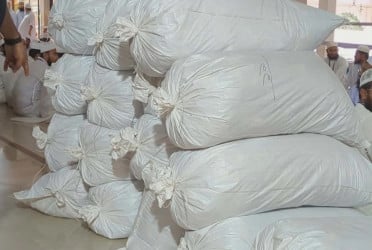
Especially at the upazila and municipal levels, potential chairman and mayor candidates are undertaking programs such as mosque-based iftars, food distribution in orphanages and food distribution among the poor.
On the one hand, this gives a message of social responsibility, and on the other hand, it creates an opportunity to build a positive image among local voters.
In many places, silent competition is also being seen centered on organizing iftars of multiple potential candidates from the same party. All in all, it can be said that the political arena will be lively this Ramadan, ahead of the upcoming local government elections. Iftar mahfil will be one of the platforms for determining strategies, strengthening relationships and demonstrating strength.
Political observers believe that this Ramadan 'iftar politics' will heat up the local election field even before the official election schedule is announced.
Bd-pratidin English/TR