The nation long awaited this day. Some waited 100 years, some 55, others 18. Many reached the twilight of their lives hoping to witness such a moment and offered thanks to Almighty Allah when it arrived. After years of anxiety, people felt a weight lift from their hearts. Those whose tears had dried through hardship smiled again. Democracy prevailed. The deprived people of Bangladesh reclaimed their rights. The aspirations of 1971 and 2024 found fulfilment. The Liberation War retained its honour. The country created an opportunity to honour the sacrifice of the martyrs of 2024.
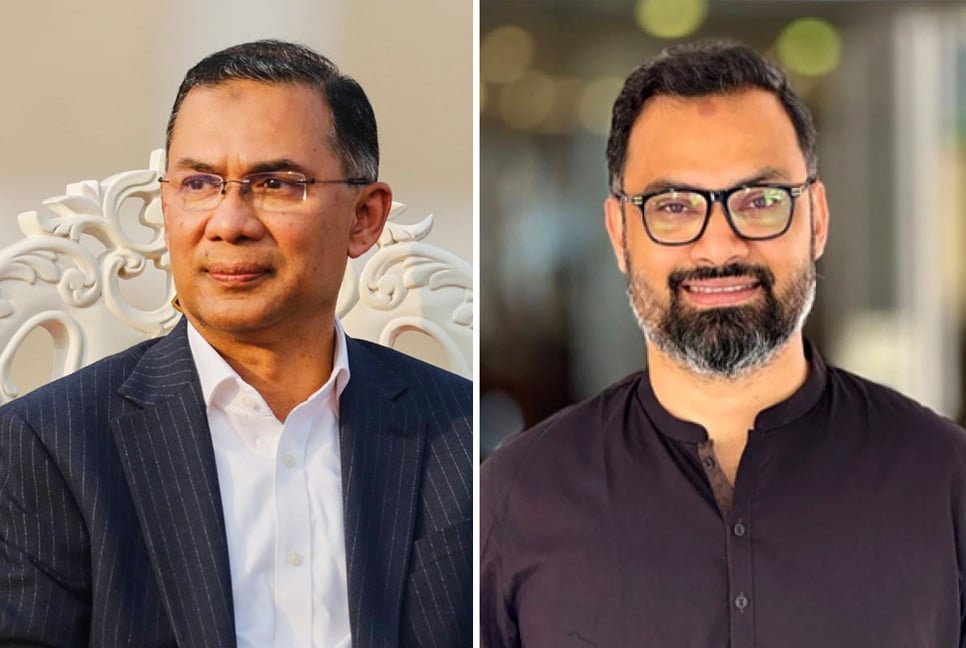
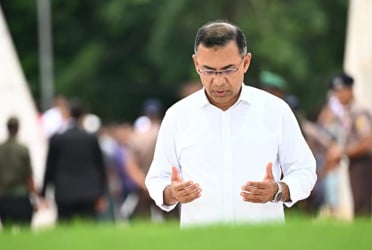
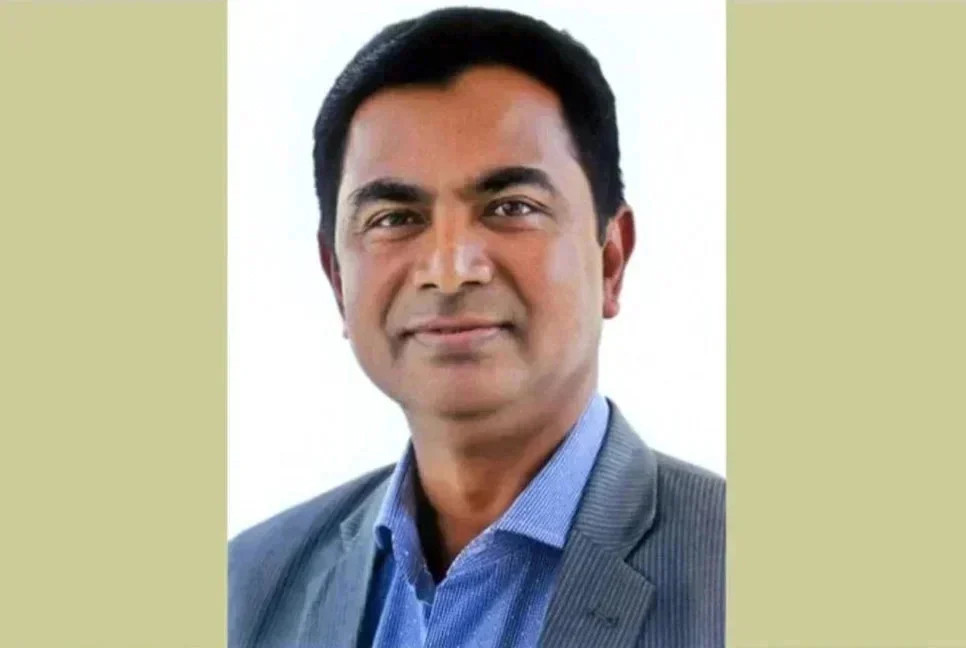
In full public view and under the open sky, BNP Chairperson Tarique Rahman accepted his responsibility as a servant of the people. As the son of war hero, sector commander and president Ziaur Rahman, and uncompromising leader and three-time prime minister Begum Khaleda Zia, he took the oath as prime minister on 17 February 2026. This oath represents more than written words; it embodies a sacred pledge to the people and to Almighty Allah.
Like Martin Luther King Jr, Tarique Rahman returned from exile with a plan for a new Bangladesh. He declared, “I have a plan,” and people responded with applause and hope. Many expect his leadership to build a people-oriented government. The new administration must remember that earning respect proves easier than preserving it. Leaders must perform that difficult task with integrity.
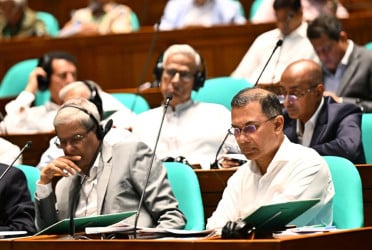
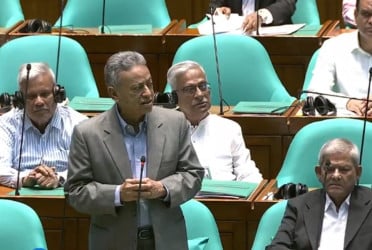
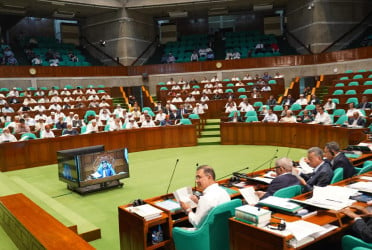
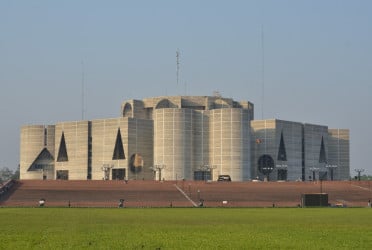
Within 18 months of the 2024 uprising, Bangladesh held its national parliamentary election on 12 February 2026. Voters delivered a landslide victory to the BNP in 212 seats. Jamaat-e-Islami secured 77 seats despite its long history of controversy over its stance during the Liberation War. Over the previous 18 months, Bangladesh faced uncertainty, reform debates and political tension before conducting a peaceful election.
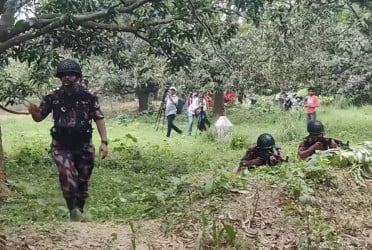
The armed forces played a decisive role in ensuring stability, particularly Army Chief Gen. Waker-Uz-Zaman. After casting his vote at Adamjee Cantonment College in Dhaka on 12 February 2026, he described the day as significant and joyous and said voters could cast ballots without fear. Earlier, on 24 September 2024, he pledged support for holding elections within 18 months and assured Reuters that the Bangladesh Army would avoid political interference. The successful completion of the election within that timeframe showed that he honoured his commitment. On 7 August 2024, a day before the interim government took office, he expressed confidence that Dr Muhammad Yunus would guide the country through a democratic process. Events validated that expectation. The nation owes thanks to Gen. Waker-Uz-Zaman and members of the armed forces for carrying out their professional duties with integrity.
Early signs often shape outcomes. When Tarique Rahman returned to Dhaka on 25 December 2025, crowds flooded airport roads to welcome him. Supporters gathered overnight in winter cold along Kuril’s 300 Feet Road, where organisers built a massive stage. His bus, emblazoned with the slogan “Bangladesh First,” took three hours to move from the airport to Bishwaroad through a sea of people. Many once doubted he would ever return after the 2024 uprising. His return ended that uncertainty and signalled political change.
Another powerful moment unfolded on 31 December 2025. As Begum Khaleda Zia battled illness at Evercare Hospital in Dhaka’s Bashundhara, she united people across political and social divides. After her death, mourners from all backgrounds joined her funeral prayer at Manik Mia Avenue. The massive turnout mirrored the historic funeral of President Ziaur Rahman at the same venue in 1981. The gatherings reflected the deep affection many Bangladeshis hold for both leaders. On that day, many resolved to support their son, Tarique Rahman. Voters expressed that resolve through ballots on 12 February 2026.
Now Prime Minister Tarique Rahman must reciprocate the public’s trust. Citizens demand peace, security, a corruption-free state structure, the rule of law and employment for the unemployed. They want to deposit their hard-earned savings in banks without fear. They expect positive politics.
Even before assuming office, he visited the homes of opposition leaders, including Jamaat-e-Islami Ameer Dr Shafiqur Rahman, National Citizen Party Convener Nahid Islam and Islami Andolan Bangladesh Ameer Syed Muhammad Rezaul Karim, widely known as the Charmonai Pir. Such gestures marked a rare example of political courtesy in Bangladesh. As a member of Parliament, he declared that BNP lawmakers would not accept duty-free cars or government plots. These commitments introduced a new tone in politics.
He must now enforce strict discipline within his party and dispel allegations of extortion that surfaced during the election. He must eradicate corruption at every level of the state, strengthen the economy alongside domestic investors and entrepreneurs and appoint competent, honest officials. He must prevent hidden actors from exploiting nationalist rhetoric to infiltrate key state institutions or the Prime Minister’s Office. Past controversies surrounding Hawa Bhaban fuelled damaging narratives; the new administration must avoid similar pitfalls.
Tarique Rahman must remember that his success will sustain the ideals of Ziaur Rahman and Begum Khaleda Zia. It will also strengthen the confidence of the next generation, including his daughter Zaima Rahman, in whom many already see reflections of her grandmother’s leadership.
The nation has offered its love and trust. The prime minister must now deliver in return.
Author: Executive Editor, Bangladesh Pratidin