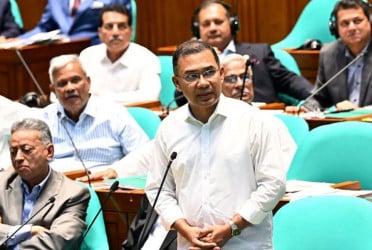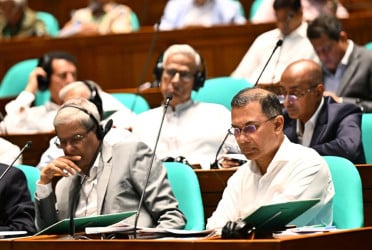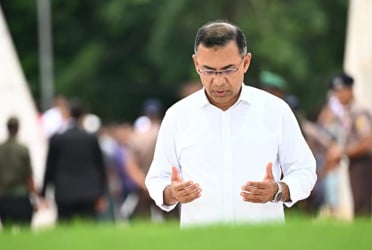
Although the February 12 election may be considered ill-fated by some, for the vast majority of the country’s people it has brought relief. Through this election, citizens have been freed from what many described as the burden of an unelected government. Under the leadership of Tarique Rahman, the elected government has already taken oath. Warm congratulations to all members of the new administration.
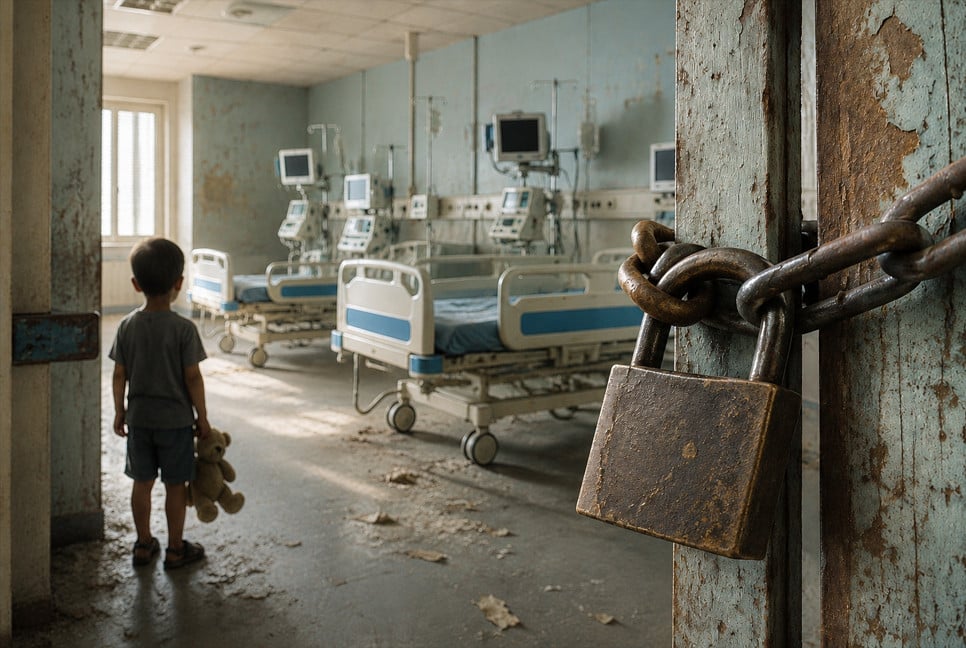
Globally, the number 13 is often viewed as unlucky—known in scientific terminology as triskaidekaphobia. Ironically, while many in the West consider themselves above superstition, the idea of “unlucky thirteen” originated there, tied to religious belief surrounding Jesus Christ and the story of the Last Supper, where Judas—the thirteenth guest—betrayed him. For that reason, the number 13 is often avoided in hotels and hospitals in Europe and America.
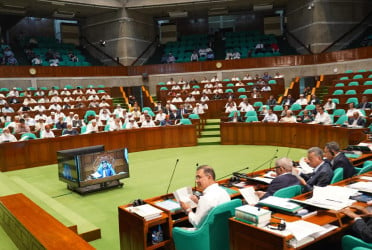
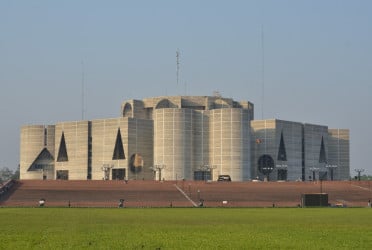
Yet, what may be “unlucky” in the West has proven “lucky” for Bangladesh. The 13th National Parliament election has been widely welcomed by many citizens. Firstly, the election marked a return to elected governance. Secondly, it ended a period many criticized as ineffective interim administration. The new government now faces pressing challenges: restoring law and order, reducing inflation, reviving employment, and strengthening the economy.
Political Stability and Responsibility
For the sake of national interest, Prime Minister Tarique Rahman must work toward political stability. Although the election was competitive, one of the country’s major political parties, the Awami League, did not participate. Lifting restrictions on political participation, ensuring due process through the courts for individuals facing allegations, and separating individual accountability from party identity will be critical to fostering inclusiveness.
Disputes over election results are common in Bangladesh. In mature democracies such as India, elections are conducted under party governments without widespread rejection of outcomes. In contrast, post-election disputes in Bangladesh have become almost routine. Continued controversy over the recent results could unintentionally benefit former ruling forces rather than strengthen democratic credibility.
The Call for a Debt Arbitration Law
Prime Minister Tarique Rahman has pledged several pro-poor initiatives in his election manifesto, including the introduction of smart cards for disadvantaged citizens. These initiatives are commendable. However, there is another urgent issue affecting nearly 20 million people that requires immediate attention—without significant government expenditure.
During British colonial rule, a large portion of Bengal’s farmers fell victim to usurious moneylenders. Then-Prime Minister of undivided Bengal, A. K. Fazlul Huq, introduced debt arbitration measures that helped free many from crippling obligations.
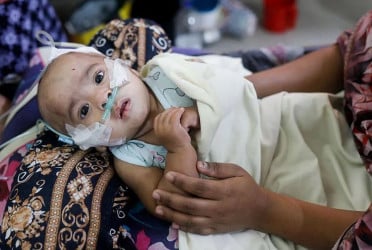
Today, Bangladesh has progressed remarkably, emerging as the world’s 35th largest economy. Yet millions remain burdened by microcredit debt. Reports of humiliation and even suicide due to inability to repay microloans are deeply troubling. Microcredit institutions currently charge interest rates averaging around 24 percent—nearly double typical bank loan rates. Although the Microcredit Regulatory Authority reduced the maximum rate from 27 percent to 24 percent in 2019, economists argue this remains excessively high.
Establishing a debt arbitration board and lowering microcredit interest rates to a more tolerable level could provide relief to millions. Such a step would echo the legacy of A.K. Fazlul Huq and earn lasting goodwill among the poor.
Political will, economic prudence, and social compassion must converge. Prime Minister Tarique Rahman now has an opportunity not only to govern—but to protect the country’s most vulnerable citizens.
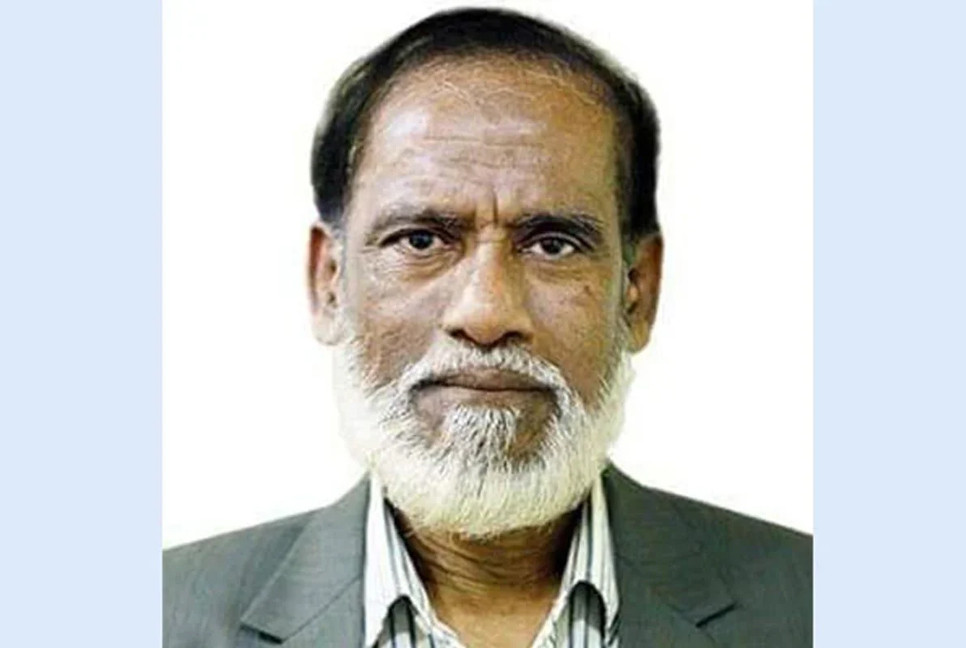
The writer is Senior Assistant Editor, Bangladesh Pratidin.