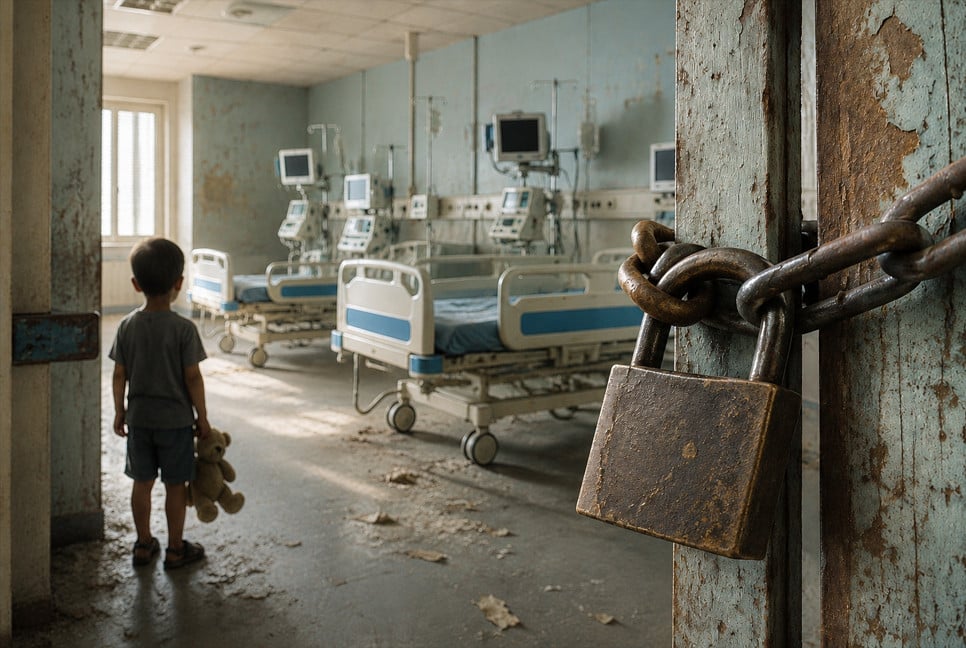
Despite announcing a series of ambitious reform plans, the interim government has made little visible progress in transforming the country’s health sector over the past one and a half years, stakeholders say.
The government had outlined initiatives such as establishing urban health centres, introducing a structured referral system, improving management of government hospitals, creating a nationwide pharmacy network, and fixing diagnostic test prices based on the category of private clinics and diagnostic centres.
In addition, a 32-point recommendation was submitted by the Health Reform Commission. However, none of the major proposals have been implemented so far.
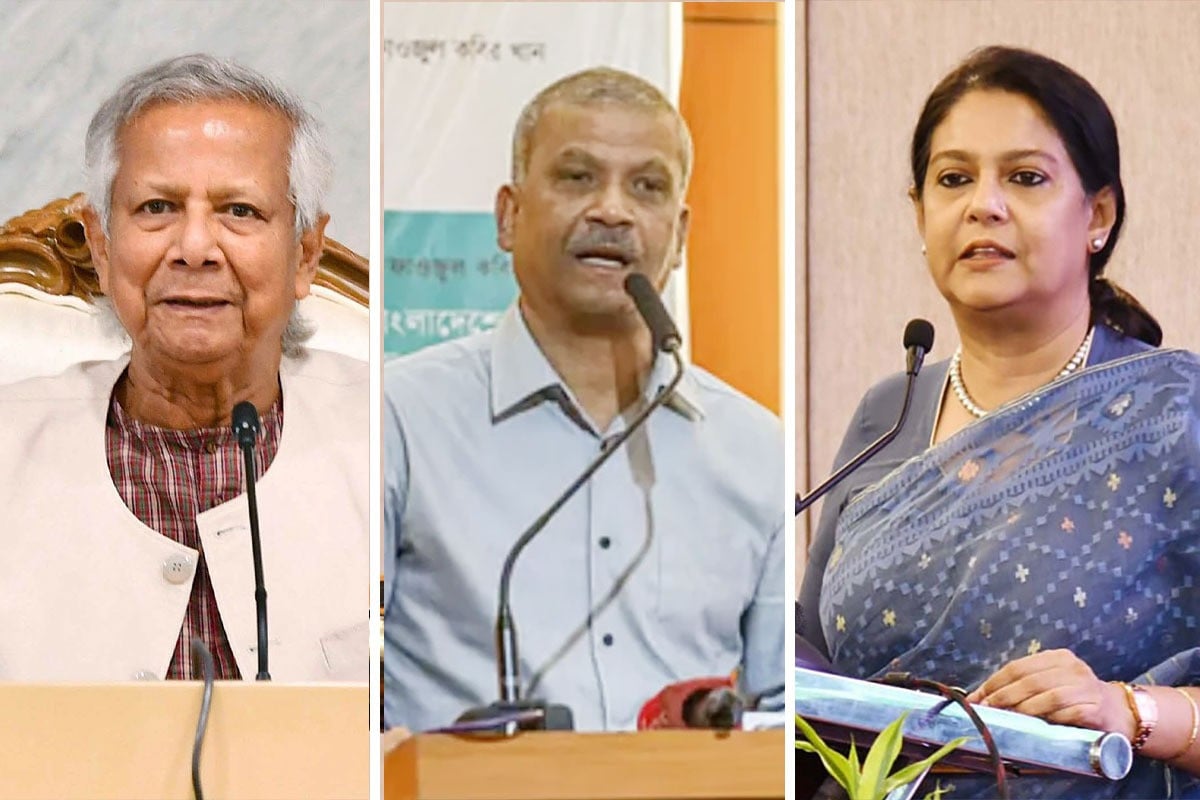
Former president of the Bangladesh Medical Association (BMA), Dr Rashid-E-Mahbub, criticised the lack of action. “The interim government has not taken any initiative to implement the recommendations made by the Health Reform Commission to improve the quality of healthcare,” he told Bangladesh Pratidin.
He noted that while long-pending promotions for doctors were granted — a positive step — operational plans in other areas have remained stalled.
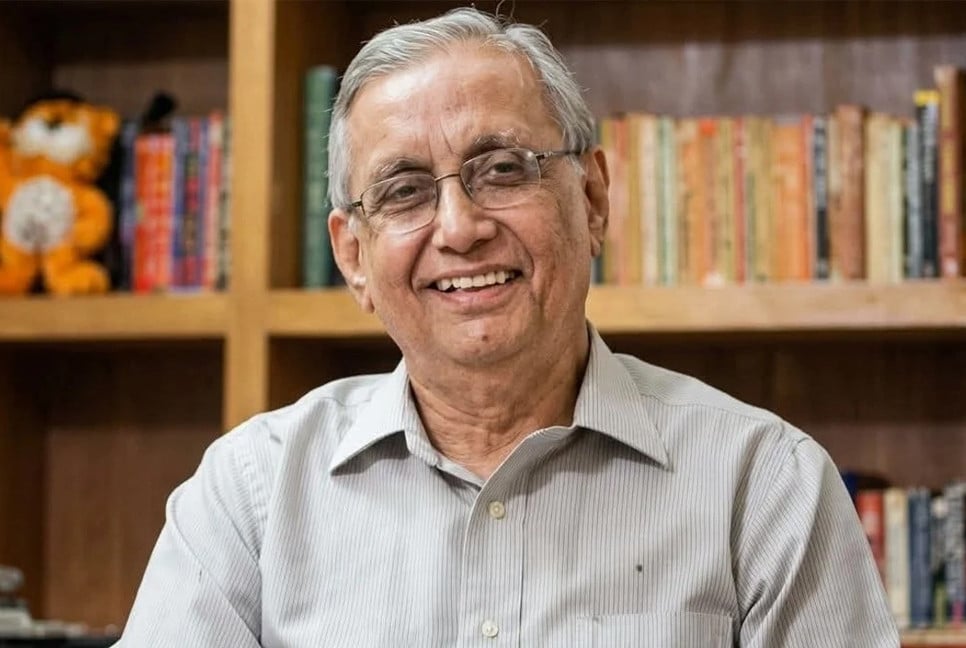
On May 5 last year, a 12-member commission led by National Professor Dr AK Azad Khan submitted its reform report to Chief Adviser Professor Muhammad Yunus, urging immediate action on implementable recommendations.
The reform report made 32 recommendations, including extending services in government hospitals until 5 pm, fixing service prices in private hospitals, not allowing representatives of pharmaceutical companies to meet doctors, ensuring availability of essential medicines, producing raw materials for medicines under its own management, and forming independent health services. No initiative has been taken to implement these recommendations.
According to sources in the Health Ministry, the government had planned to build a 'pharmacy network' across the country to make medicines easily available. Initially, these pharmacies were supposed to be opened in 700 government hospitals across the country.
There were plans to open these pharmacies in 429 upazila hospitals, 59 district or sadar hospitals, 35 government medical college hospitals, and 21 specialized hospitals in the country.
There were also plans to open pharmacies in other government health institutions and in rented houses in big cities. These pharmacies will be open 24 hours a day, seven days a week. Private pharmacies will also operate as before. This will further increase the availability of medicines.
The draft recommendation of the Health Sector Reforms Committee also includes the establishment of a nationwide 'pharmacy network'. The committee also recommended updating the list of essential medicines and increasing the supply of medicines in government hospitals.
The latest draft report of the Health Sector Reforms Commission said that there should be a pharmacy in every government hospital and primary health center. These pharmacies will have all the necessary medicines. These pharmacies will be run by registered pharmacists with trained degrees.
In addition to dispensing medicines, these pharmacists will also advise or counsel the patient on the use of medicines and ensure the rational use of medicines.
Hospital pharmacies will be open 24 hours a day to ensure that patients admitted to the hospital or people outside the hospital can get medicines at any time.
The Reforms Commission said that patients should be provided with all essential medicines free of cost from these pharmacies. The distribution of medicines from these pharmacies should be monitored or tracked digitally. This will help predict the use of medicines and reduce or stop the theft or wastage of medicines. But this great plan has not seen the light of day.
As a result, people are forced to buy medicines from outside pharmacies, going through the violence of original and counterfeit. Although there are community clinics at the union level and hospitals in the districts and upazilas, there are no health centers in the capital. Therefore, even if it is a simple fever, patients are flocking to tertiary hospitals like Dhaka Medical College.
The interim government had planned to launch urban health centers to solve this problem. But there has been no progress in that regard. Similarly, there is no visible development in the referral system, general physician (GP), and determination of categories of private hospitals-clinics-diagnostic centers.
Bd-pratidin English/TR