Votes, Referendums, Washington’s Law and Our Moral Mirror
Bangladesh’s political landscape in 2026 is poised to be historic, uncertain and charged with anticipation, even amid fatigue. What shall we call this year? The year of change? The year of return? Or the year of reckoning? Bangladesh is not merely changing governments; it is attempting to change its mindset. An election has been held. A referendum has taken place. On the international stage, the United States has delivered a firm message regarding Myanmar. At home, religion, politics and personal morality have once again moved to the centre of debate.
Though these four developments may appear separate, at their core lies the same question: where does the legitimacy of power come from?
1. Election 2026: Results, Return and the Test of Reality
Before the election, the national mood was heavy. Prolonged political conflict, questions over administrative neutrality, economic pressure, instability in the banking sector, fluctuations in the dollar, and an energy crisis all shaped a climate in which people went to the polls not merely to choose a party, but to seek relief.
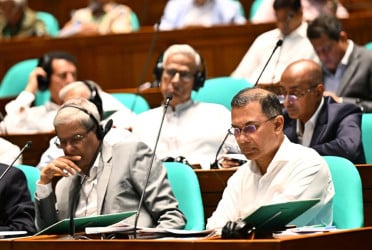
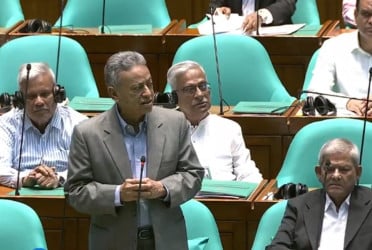
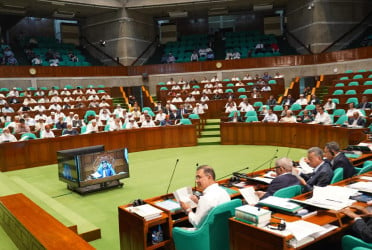
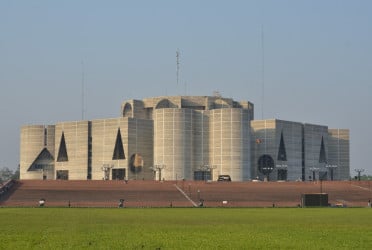
The results are clear: the BNP-led alliance has secured an effective majority. The Jamaat-led alliance will serve as a strong opposition force in Parliament. New political platforms, particularly youth-led parties, have won several key seats, signalling the emergence of alternative voices within the legislature.
Notably, voters did not cast their ballots out of “old fears”; they voted with “future possibilities” in mind. Analysis suggests that the electorate invested not in colourful flags or party symbols alone, but in broader principles—livelihoods, social and internal security, development priorities and international positioning.
In short, the 2026 election has shown that electoral competition is no longer merely about territory; it is about ideas, values and vision. Voters appear more inquisitive and increasingly guided by evidence-based judgement.
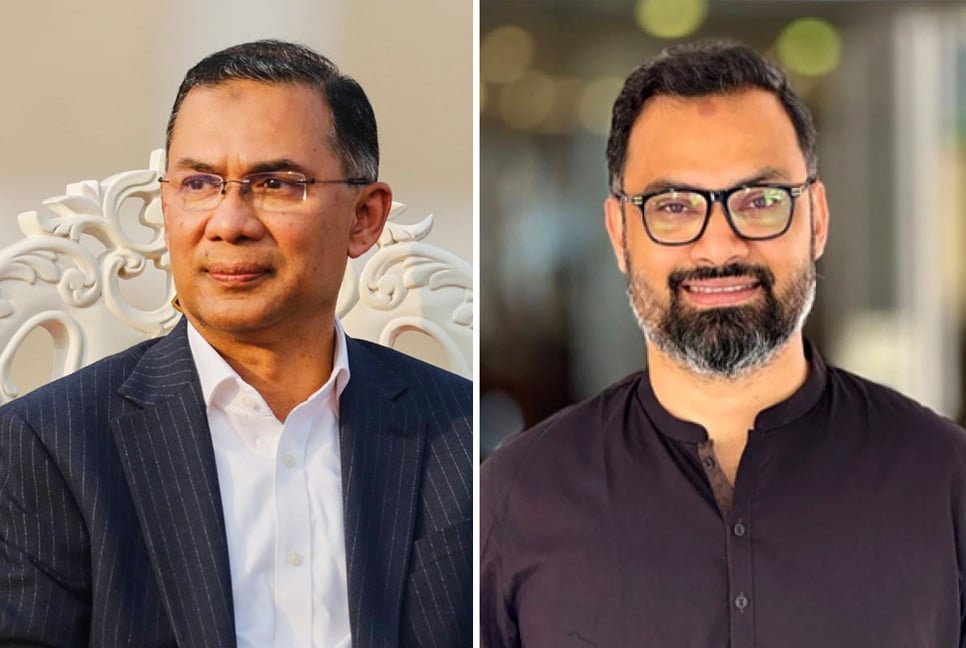
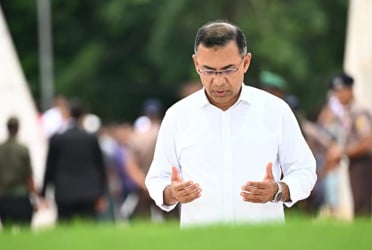
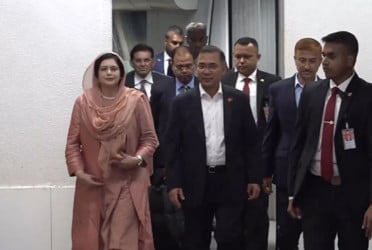
At the centre of this outcome stands Prime Minister-designate Tarique Rahman. His political journey has been dramatic—marked by exile, legal cases and controversy—yet he now returns through democratic legitimacy. While political drama is not new to South Asia, a return through the ballot box carries a distinct message.
The challenges before him are immediate: translating electoral victory into administrative competence; rebuilding international confidence; and practising politics of reconciliation rather than revenge.
Victory at the polls does not automatically translate into effective governance. Bangladesh faces stark economic realities: pressure on foreign exchange reserves; the risk of losing trade benefits after LDC graduation; global recessionary trends and supply chain uncertainties; rising energy import costs; and irregularities in the banking sector. Continued support from the IMF, World Bank and ADB hinges on policy reform.
If within his first two years Tarique Rahman can ensure financial transparency, guarantee the effective independence of the Anti-Corruption Commission, and reduce partisan influence in administrative appointments, this electoral mandate could become lasting political capital.
Otherwise, public disillusionment may come swiftly. In the age of social media, the political “honeymoon period” is brief. In South Asia, when governments change, people first ask about the price of rice and lentils—philosophy comes later. The public has voted for change. The question now is whether that change will be structural or merely cosmetic.
2. Referendum 2026: A Popular Mandate to Define the Limits of Power
Holding a parliamentary election and a referendum simultaneously is rare in Bangladesh’s political history. The proposals were fundamental: term limits for the Prime Minister; mandatory parliamentary committee accountability; redistribution of specific presidential powers; and administrative independence of the judiciary.
More than 62 per cent voted in favour of constitutional reform—an outcome historic in the South Asian context, where power often becomes prolonged and, with time, personalised.
The implications are significant. First, future prime ministers have received a clear message: power is temporary. Second, citizens have recognised their capacity to shape constitutional structures directly. Third, political parties will now be compelled to make explicit constitutional commitments in their manifestos.
For Tarique Rahman, this presents both opportunity and challenge. He becomes the first head of government under the new constitutional framework. Yet any attempt to bypass it would likely trigger swift public reaction. The region is familiar with the phrase “temporary arrangement”, but voters have now asserted that temporary does not mean permanent.
3. The BRAVE Burma Act: A New Equation in Regional Geopolitics
The United States House of Representatives has unanimously passed H.R. 3190—the BRAVE Burma Act—extending sanctions on Myanmar’s military government until 23 December 2032. It targets the Myanmar Oil and Gas Enterprise (MOGE), Myanmar Economic Bank (MEB), and jet fuel supply chains. It mandates the appointment of a special envoy and directs the US Executive Director at the IMF to oppose any increase in Myanmar’s shareholding.
This legislation is more than a country-specific measure; it signals a policy stance in which human rights form part of foreign policy and democracy becomes a benchmark in economic diplomacy.
For Bangladesh, the implications are direct. The Rohingya crisis remains unresolved, and continued military rule in Myanmar renders repatriation uncertain. Increased international pressure may follow. At the same time, it serves as a reminder: should democratic processes in Bangladesh come into question, international mechanisms are prepared to respond.
If the new government ensures transparent elections, protects human rights and safeguards judicial independence, international confidence will grow. In geopolitics, friendships are not permanent—interests are. Understanding this reality is vital.
4. Religion, Politics and Personal Life: Boundaries and Tolerance
Throughout the election and referendum processes, religious sentiment has entered political discourse more visibly than before. From mosque sermons to social media debates, questions of morality have surfaced repeatedly. Some have spoken of moral renewal; others of safeguarding secularism.
Bangladeshis are religious, yet pragmatic. They pray, but they also watch market prices. Religion can be a source of personal moral strength. However, when used as a political instrument, it risks deepening division.
Leaders’ personal lives have also come under scrutiny. In a democracy, such scrutiny is not unusual—but criticism must not descend into hostility. The Constitution is clear: the state operates on secular principles while ensuring religious freedom.
The balance is crucial. Religion shapes moral outlook and behaviour. Yet if directly deployed in political decision-making, it may undermine democratic values. If religion remains a source of personal ethics while governance prioritises rule of law, stability can prevail.
If politics loses morality, power does not endure. If religion loses tolerance, society does not endure.
Conclusion
The year 2026 has held up three mirrors: the mirror of the vote, the mirror of the referendum, and the mirror of international politics. In each, the same question is reflected—where does the legitimacy of power originate?
Three lessons emerge:
1. The people desire change, but also stability.
2. Without limits on power, democracy weakens.
3. International politics increasingly speaks the language of values.
Prime Minister-elect Tarique Rahman stands at a pivotal moment in history. He may be remembered merely as a leader of return—or as a reforming prime minister. The electorate has delivered a verdict for change. To honour it requires reconstruction rather than retribution, dialogue rather than suppression.
Bangladesh now waits—not for numerical results, but for moral outcomes. Each of us is part of this transformation. The Bangladesh of the future will reflect a culture in which democracy, human rights, good governance and justice converge to write a new chapter. That will be our true dream of a nation.
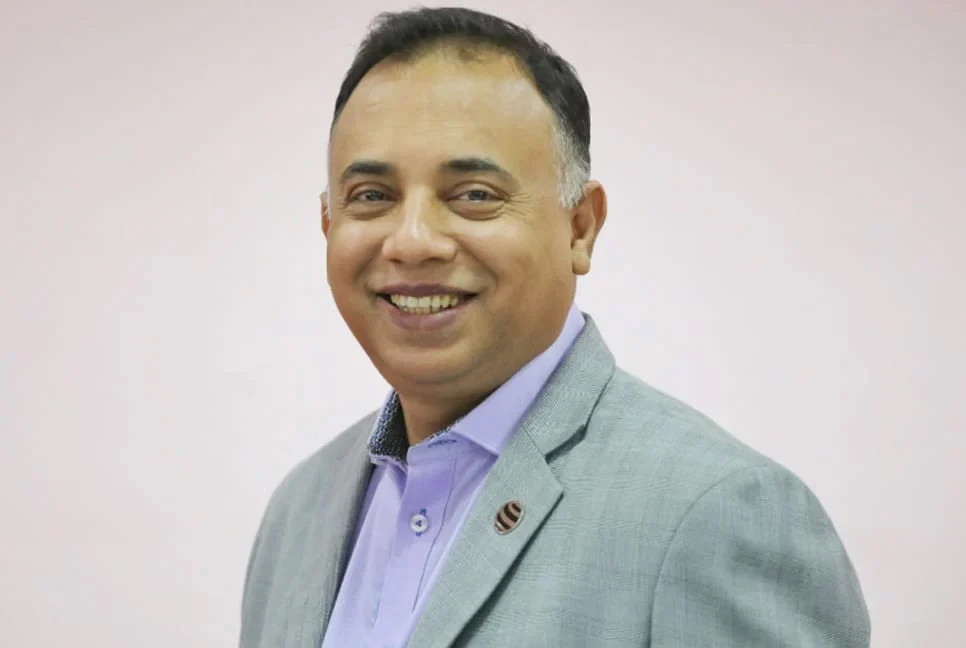
Writer: President, Centre for Governance Studies