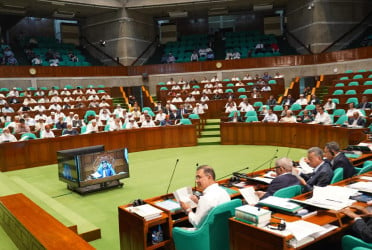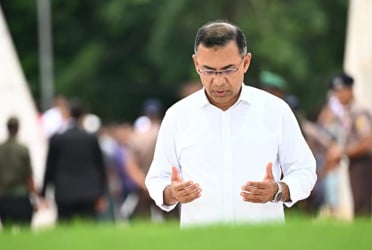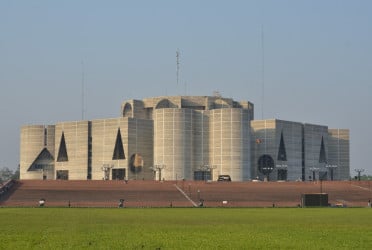
After remaining out of power for 19 years, the BNP is set to form the government in Bangladesh once again. Securing more than a two-thirds majority in the Jatiya Sangsad has demonstrated the people’s affection for the BNP and their confidence in its Chairman, Tarique Rahman, who is poised to become the country’s next Prime Minister. Within days, a government of the people’s choice is expected to be sworn in under his leadership. Congratulations to him and his administration in advance.
During the long years out of office, both the so-called caretaker government of 2007–08 led by Fakhruddin-Moeenuddin and the Awami League government under Sheikh Hasina from 2009 to 2024 took every possible measure to weaken and sideline the BNP.
Tarique Rahman was allegedly subjected to such severe persecution that he faced the risk of permanent physical disability. Numerous cases were filed against him, causing prolonged mental distress. Had he not chosen exile, it is claimed that his life could have been at risk amid the intense campaign against the Zia family.
Former Prime Minister Begum Khaleda Zia also endured what her supporters describe as relentless persecution under successive administrations. She was prevented from leading her party freely and was convicted in cases her party termed politically motivated. Despite her advanced age and ill health, she reportedly did not receive adequate medical treatment. Her family, too, faced profound personal tragedies during this period.
Supporters of the BNP often describe the tenures of President Ziaur Rahman (1977–1981) and Prime Minister Khaleda Zia (1991–1996, February 1996, and 2001–2006) as periods of good governance in Bangladesh’s history. They argue that both leaders, though not originally from traditional political backgrounds, earned popularity through their perceived commitment to the country and its people.
The article contrasts this with the trajectory of the Awami League. It argues that in 1975 Sheikh Mujibur Rahman used his parliamentary supermajority to amend the Constitution and introduce a one-party presidential system, a move critics view as a turning point in Bangladesh’s political history. After returning to power in 1996 without a two-thirds majority, the Awami League government focused heavily on trials related to the assassinations of 1975, while critics say governance issues received less attention. The party was voted out in 2001, when the BNP–Jamaat alliance formed the government.
Following the army-backed caretaker period, the Awami League returned to power in 2008 with a large majority. The article alleges that subsequent years saw democratic space shrink, with opposition leaders prosecuted and several Jamaat and BNP figures executed after war crimes trials—proceedings that critics labelled controversial.
It concludes by asserting that, after years of political turmoil, the election has been completed and preparations for forming a new government are under way. According to the writer, the public now awaits a period of stability and good governance that they believe has been absent for nearly two decades.
Writer: A US-based senior journalist.