At last, the doors of democracy have opened. An elected government is about to assume office. The BNP, having secured a landslide victory in the 12 February election, is preparing to form the government. The newly elected members of parliament are expected to take oath tomorrow. Shortly thereafter, the elected government will be formed. If everything goes as planned, it is expected that within this week the BNP government, under the leadership of Tarique Rahman, will assume responsibility for running the country.
However, the path ahead for the new government is difficult. The BNP-led government will have to move forward by confronting many challenges. Can the BNP succeed?
In this election, the people of the country have given their unequivocal support to the BNP. Naturally, public expectations of the new government are very high. How effectively will the new government under Tarique Rahman be able to manage this pressure of expectations?
After winning the election, BNP Secretary General Mirza Fakhrul Islam Alamgir rightly identified the priorities of their government. We know that the best way to solve any problem is to identify its root causes. Has the BNP been able to determine the sources of the existing crises in Bangladesh?
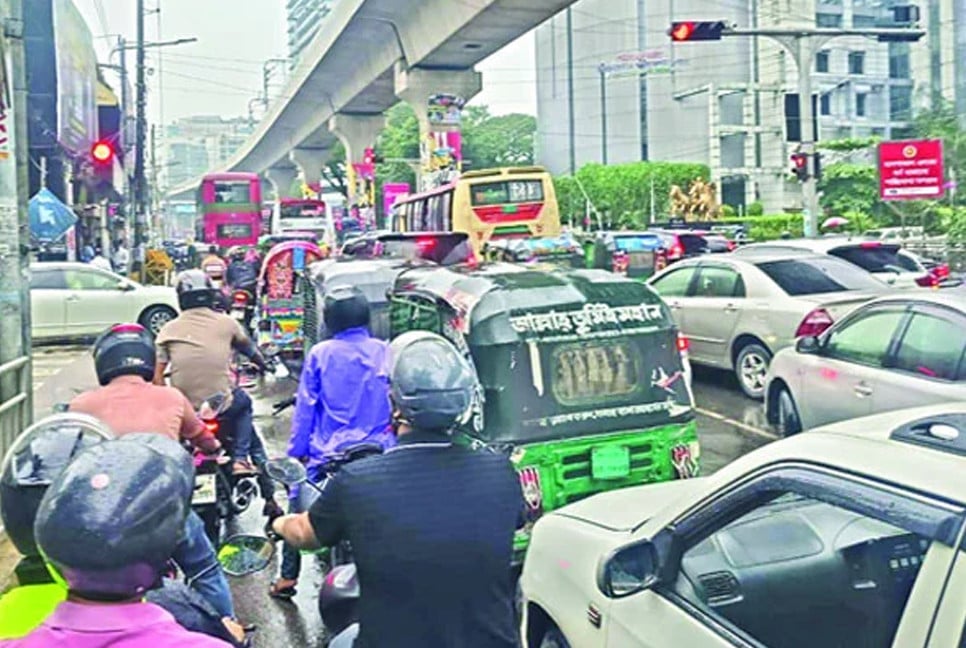
At present, the main problem in Bangladesh is the law and order situation. The condition of law and order in the country is, in a word, alarming. One of the major negative aspects of the interim government led by Prof Yunus was its failure to control law and order. Public life has been distressed by mob violence and extortion. The primary responsibility for maintaining law and order lies with the police force. But after 5 August 2024, the country functioned for several days without police presence. During this period, the armed forces made a significant contribution to protecting the lives and property of citizens. It is chilling to imagine what the situation would have been had the army not been deployed in the field. After the interim government assumed responsibility, the police force resumed its duties. However, over the past 18 months, the morale of the police has not fully recovered. A certain degree of inactivity is still noticeable among its members. During these 18 months, the army remained the primary source of hope for the people. Even the peaceful conduct of the 12 February election is largely credited to the army. Once the new government is formed, the army will return to the barracks within a short time. The Army Chief has stated this repeatedly. When the army returns to the barracks, will this demoralized police force be able to maintain law and order?
Over the past 18 months, mob groups have emerged across the country. Acting collectively, they have attacked homes, shops, business establishments, and factories. They have demanded extortion. The people of the country have effectively been held hostage by them. The primary responsibility of the new government will be to eliminate these mob terrorists and extortionists and to restore normalcy in law and order.
During this period, thousands of false, fabricated, and harassing murder cases have been filed. Hundreds of thousands of people have been accused in these cases. Case trading is taking place openly. Prominent businessmen, industrialists, university teachers, doctors, journalists – who has not been accused in murder cases? Although the interim government gave assurances at various times, it did not take any initiative to withdraw these cases. People are helpless in the face of case trading. Those who are genuinely guilty must certainly be brought to justice. But if case trading continues, the path to justice will be blocked. People will lose faith in the justice system. Therefore, one of the key tasks of the new government is to free the country from the grip of case trading.
There is no normal environment in educational institutions. Fights break out over trivial matters, classes are suspended, and clashes between different institutions occur regularly. Students are blocking roads instead of attending classes. This anarchy must be stopped. One of the primary responsibilities of the new government will be to bring students back to classrooms and to restore a proper academic environment as quickly as possible.
The country’s economic condition is not good. Although the interim government managed to restore some discipline in the banking sector, the overall economic situation remains poor. Unemployment has increased. Many factories remain closed. During the interim government’s tenure, the backbone of the economy – the private sector – was the most neglected. Private entrepreneurs are living in uncertainty and anxiety. Many have shut down their businesses. Others are operating on a limited scale while waiting for the new government. Attacks and extortion at business establishments have created panic in the private sector. False cases have been filed against many industrial entrepreneurs. Many are being harassed in various ways by labeling them as associates of the Awami League. The bank accounts of numerous reputable businessmen and industrialists have been frozen, and attempts are being made to tarnish their image through media trials. From the very first day of assuming office, the new government must restore confidence in the private sector. It must be remembered that businesspeople have no political party. They create employment and drive the country’s economy forward. Over the past 18 months, Bangladesh’s economy has been remittance-dependent. No country can sustain its economy this way. During the interim government’s tenure, defaulted loans increased, exports declined, and private investment nearly came to a halt. The new government must find ways to overcome this situation. Effective steps must be taken to recover the vast sums of money that were laundered during the 17 years of Awami League rule. Corruption must be stopped.
Bangladesh’s image in the international arena has been damaged. Many countries have stopped issuing visas to Bangladeshi citizens. Relations with neighboring countries have deteriorated. Bangladesh is now facing an image crisis. This situation must change. Friendly and dignified relations must be established with neighbors immediately. Emphasis must be placed on manpower-export diplomacy.
Women played an important role in the July movement. Yet over the past 18 months, women’s rights have been in jeopardy. Incidents of violence against women have occurred across the country. Women have fallen victim to mob violence. The new government must quickly create a women-friendly society.
There is now frustration and uncertainty in Bangladesh’s sports sector. The self-destructive decision not to participate in the Cricket World Cup has set us back. Bangladesh must expand its friendships in sports. The BNP government must keep sports free from politics.
There is fear and anxiety in Bangladesh’s media landscape. Over the past 18 months, many media outlets have been attacked. Numerous journalists have fallen victim to mobs. Many have lost their jobs. Many are in prison. International human rights organizations have expressed concern and even written letters to the chief adviser. Yet the situation of the media has not improved. Under the leadership of Tarique Rahman, the BNP government must sincerely ensure a free media environment. The role of the media is not merely to praise the government. A culture of criticism must be fostered. Ultimately, this will help the government itself. In this election, Bangladesh did not gain a strong opposition party. Therefore, the primary platform for constructive criticism of the government is the media. Respect for differing opinions and tolerance of criticism will not only consolidate democracy but also make the government more popular.
The main slogan of the BNP in this election was “Bangladesh First.” On the other hand, the historic statement of BNP founder and martyred President Ziaur Rahman was: “The party is greater than the individual, and the country is greater than the party.” BNP leaders and activists must believe this wholeheartedly. It must be remembered that this is not a government of the BNP party, but a government of the people. This government must build a safe and livable country for all – those who voted for the BNP and those who did not. The destructive mentality of “We are in power, so everything belongs to us; we will do whatever we wish” must be abandoned. Strict action must be taken against overzealous elements within the party. There are corrupt individuals, terrorists, and extortionists who join whichever party comes to power. They are the reason for the ruling party’s bad reputation. They damage the government’s image. The BNP must remain vigilant about them. It must be remembered that corruption and terrorism belong to no party. History shows that sycophants always emerge in the ruling party. Their excessive rhetoric not only irritates the public but also embarrasses the government. Care must be taken so that such sycophants do not isolate the new Prime Minister from the people.
Instead of dwelling on the past, the new government must move forward. If it can bury the politics of revenge, the country will progress. Democracy will truly be free – the democracy for which the BNP has made the greatest sacrifices.
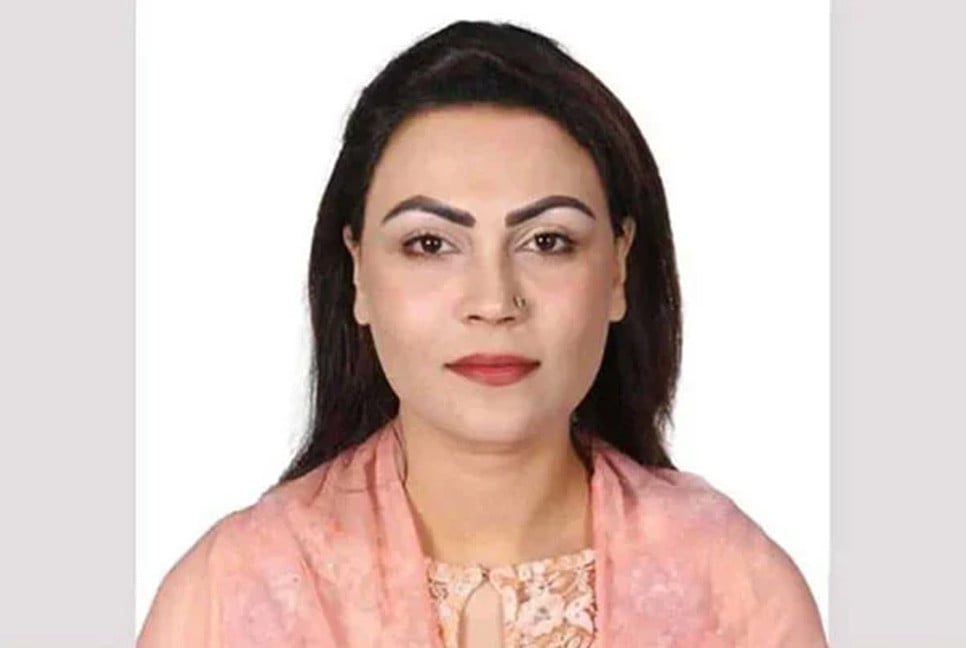
Audite Karim is a writer and playwright.
Email: [email protected]