This morning in Bangladesh feels different. Across the country, people have awakened with a shared sense of anticipation – the hope of a new beginning. After a long darkness of despair, they are waiting for a new sunrise. Today, citizens are not just casting votes; they are placing their trust in the promise of a new Bangladesh.
The expectation is clear: whoever wins today’s election must begin, from the very beginning, the work to free Bangladesh from mob violence, extortion, conspiracy, and division.
The people of this country have been deceived repeatedly. Their hopes have been shattered time and again. They no longer want to be burdened by the pain of broken promises. They do not want to be betrayed again.
Whoever wins today’s election will face one clear expectation from the people: to move Bangladesh forward in every sector.
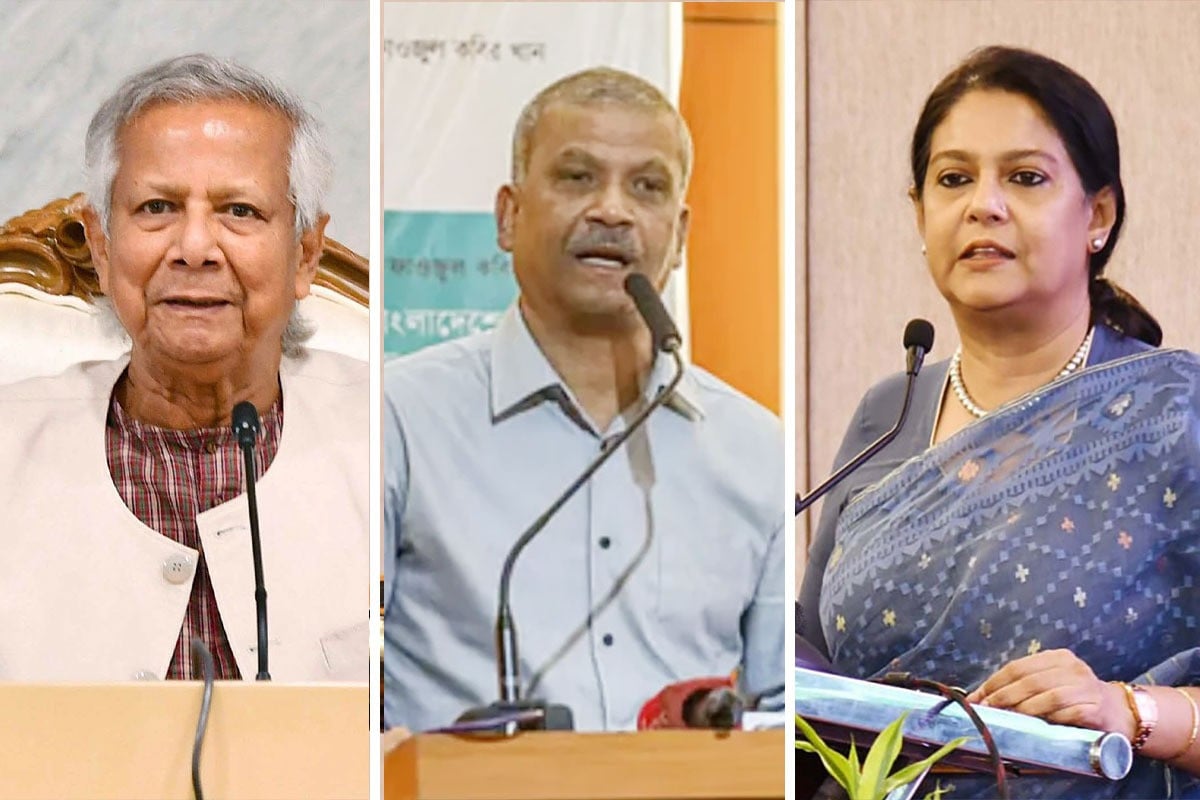
After the July 2024 mass uprising, the people dreamed of a new Bangladesh – a united nation free from discrimination. Nobel Peace Prize-winning economist Prof Muhammad Yunus had assured that there would be no more division, that Bangladesh would become one family. He had said Bangladesh would be an example to the world. But over the past 18 months, those beautiful words have not been materialised. Instead, Bangladesh has been scorched by the flames of violence. Due to shortsightedness and poor decisions, the country has fallen behind in almost every sector.
From the beginning, mob culture has flourished, and by failing to take effective action against it, the government appeared to surrender to a particular force.
Over the past year and a half, rising numbers of unidentified bodies, deaths in custody and security detention, and mob violence have become major concerns for human rights organisations. During this period, repeated attacks on minorities have drawn national attention.
Even after the announcement of the election schedule, incidents such as arson attacks on homes, the lynching and burning of Dipu Chandra in Bhaluka over allegations of religious defamation, and the consecutive murders of several Hindu businessmen have created deep anxiety among minority communities.
The people expect that those elected today will free the nation from mob terror. Let today mark the beginning of a terrorism-free Bangladesh.
From the start of the interim government, homes, businesses, and shrines of Sufi saints, and Bauls came under attack across the country. Members of minority communities have also repeatedly faced violence over the past 18 months.
In early 2025, a press release from the Chief Adviser’s Press Wing stated that within just five months after 4 August 2024, police had received allegations of 44 attacks on 40 shrines (mazars, Sufi graves, and dargahs) nationwide.
Yet the situation did not improve. Instead, in November, the arrest of Baul Abul Sarkar in Manikganj sparked widespread controversy. The public hopes the new government will take a firm stance against such lawlessness and take strict action against those responsible.
Throughout the interim government’s tenure, women have also faced repeated attacks and harassment. Controversies surrounding the Women’s Reform Commission report led to further hostility toward women, including harassment on university campuses and elsewhere.
In March last year, at an International Women’s Day event at Osmani Memorial Auditorium, Prof Yunus himself said, “The recent horrific attacks on women are deeply alarming. This is completely contrary to the ‘New Bangladesh’ we envision.”
But whether the situation has truly improved since then remains a question.
The country has experienced one of the greatest setbacks in women’s equality during this government’s tenure, largely due to a lack of effective action.
Today, women across the country hope that the new government will ensure their safety and make Bangladesh secure and livable for them.
According to human rights organisation Odhikar, from August 2024 to September 2025 – during 14 months of the interim government – there were at least 40 allegations of extrajudicial killings. The people want an end to extrajudicial killings. With that hope, they will exercise their right to vote today.
Questions have arisen about whether justice is being pursued or revenge. From the outset, there has been criticism over indiscriminate murder cases implicating businesspeople, teachers, journalists, and professionals. Many individuals face multiple murder charges that appear disproportionate, and many have been detained under questionable circumstances without clear explanations. Even in cases proceeding to trial, questions remain about fairness and transparency. The people expect the new government to free the nation from the grave disease of case trading.
Economically, the government claims success, with the finance adviser reportedly giving himself a score of 70 out of 100. But the ground reality tells a different story.
The World Bank reports that poverty, which stood at 18.7% in 2022, has risen to over 21%. Meanwhile, the private research organisation Power and Participation Research Centre (PPRC) estimates the poverty rate at 27.93%. Unemployment has risen at an alarming rate.
Economists believe that high inflation has reduced real incomes, increasing poverty. During this period, defaulted loans have reached record levels. According to the Bangladesh Bank, by 2025, defaulted loans have exceeded Tk6 lakh crore, accounting for more than 33% of total loans.
To control inflation, the Yunus-led government implemented contractionary monetary policies and increased interest rates to discourage borrowing. As a result, over the past year and a half, local investors have shown little interest in investment. The private sector is passing through one of its most difficult times.
Business leaders have faced insecurity due to legal harassment and deteriorating law and order. Prominent industrialists have faced indiscriminate murder charges, often without evidence. Bank accounts have been frozen in what many consider acts of retaliation. Energy shortages and high interest rates have further strained businesses. Harassment and media trials have created a crisis of confidence in the private sector, harming both entrepreneurs and the country’s overall economic progress.
The people hope today marks the beginning of economic recovery, with the new government restoring confidence and setting the nation on a new path of development.
Over the past 18 months, the education system has approached collapse. Classes are disrupted, campus violence is frequent, and teachers fear students. Many educators have been victims of mob attacks and humiliation. The nation hopes the new government will prioritise restoring a proper learning environment.
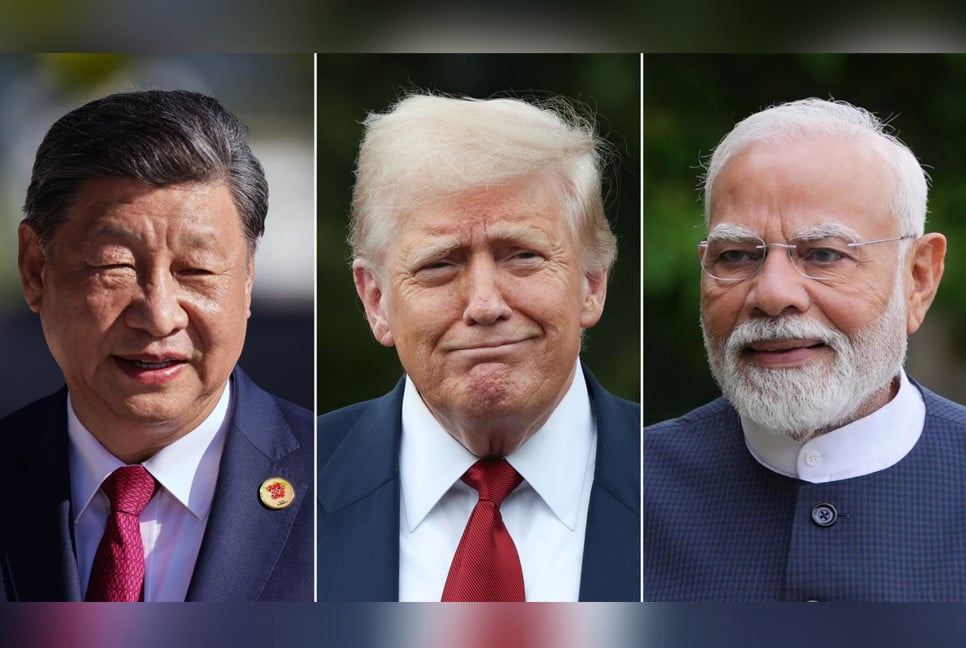
Internationally, Bangladesh’s image has suffered. Many countries are now reluctant to issue visas to Bangladeshi citizens. Relations with neighbours are strained. Foreign policy appears directionless. The public expects the new government to restore the principle of “friendship with all, malice toward none,” and rebuild respectful, mutually beneficial relations.
Sports have also suffered. Political interference has damaged the sector, including the decision not to participate in the T20 World Cup, which has caused irreparable harm to cricket. The people hope the new government will restore discipline and keep sports free from politics.
The cultural arena has faced fear and uncertainty. Concerts and performances were cancelled due to extremist threats. Artistes faced harassment. Cultural workers hope the new government will be culture-friendly and end this suffocating atmosphere.
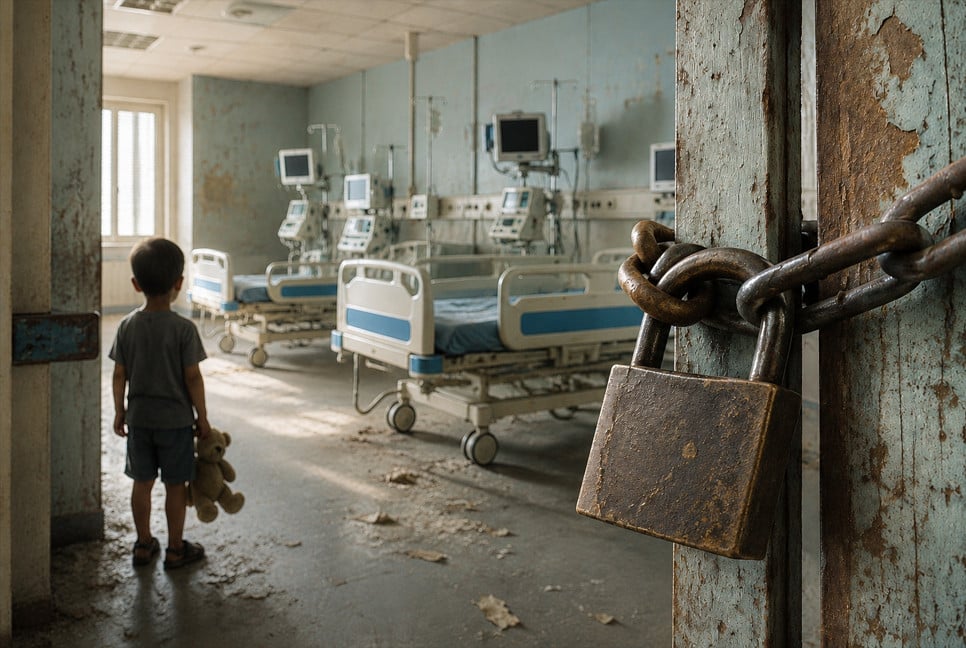
The health sector has experienced chaos. Public hospitals face instability, and the medicine market remains uncontrolled. Voters go to the polls today hoping for change.
The media has operated under fear over the past 18 months. News outlets have been attacked, journalists have fallen victim to mobs, and attacks on dissent were met with silence. The people want freedom of expression and a free press. Media professionals hope today marks the day of media freedom.
We want a united nation – free from corruption and extortion. We want a country where the rule of law and human rights are ensured for every citizen. Let today be the day that fulfils these expectations.
Audite Karim: Writer & Playwright
Email: [email protected]