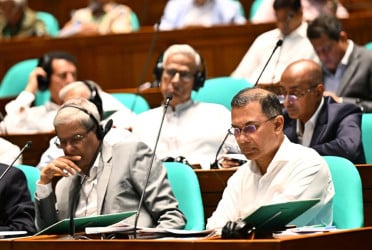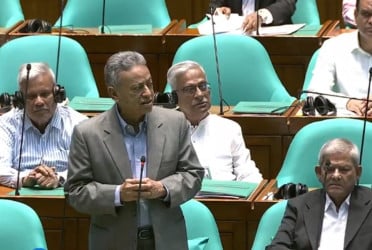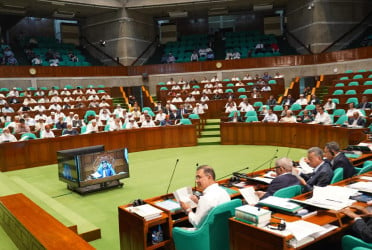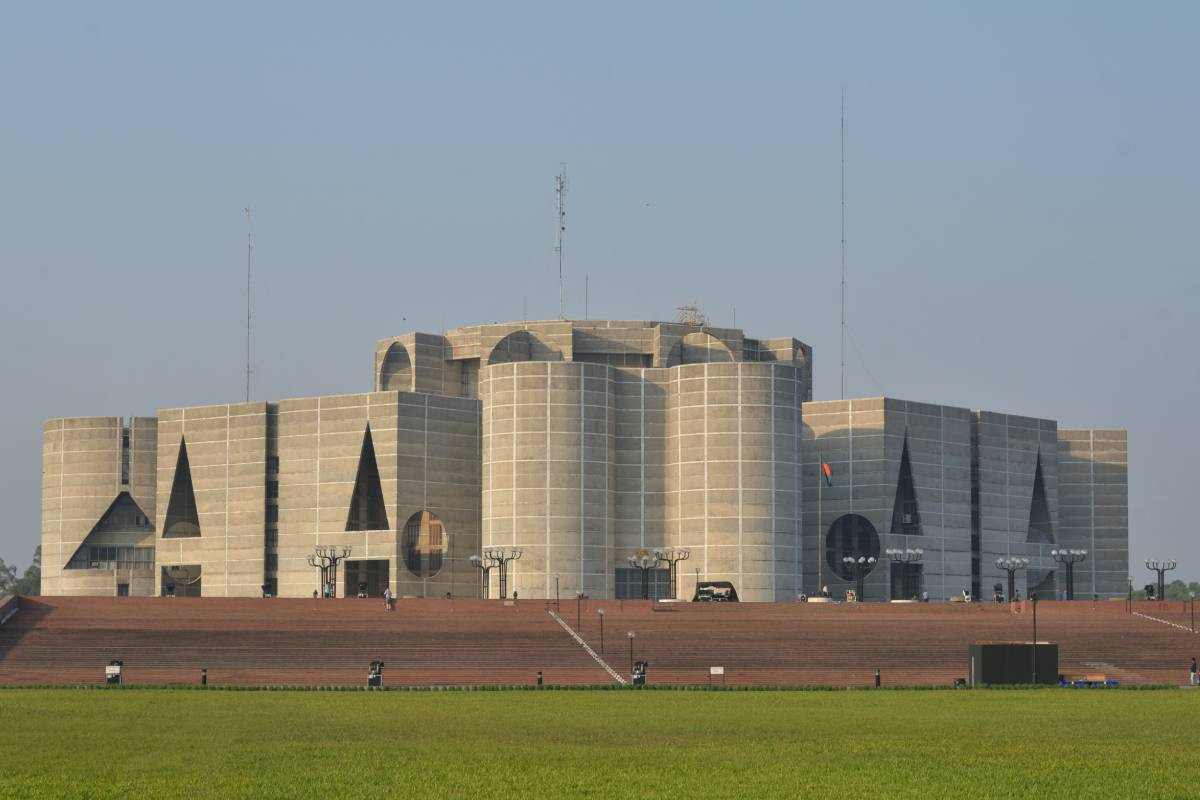
Only four days remain before Bangladesh’s national parliamentary election. On 12 February, citizens will decide who will govern the nation for the next five years. While much attention is on which party will win, an equally crucial issue is which party will serve as the opposition.
A strong opposition is essential for democracy. It ensures transparency, accountability, and restraint on those in power. Without it, governments can become arbitrary, suppress dissent, politicize institutions, and undermine human rights, the rule of law, and justice. Bangladesh’s experience over the past 17 years demonstrates this: the absence of an effective opposition has allowed centralized authority, curtailed public rights, and weakened democratic governance.
In a parliamentary system, democracy functions best when both government and opposition operate actively. Past parliaments of 1991, 1996, and 2001 showed how vocal opposition can scrutinize policies, promote media freedom, and hold governments accountable. By contrast, post-2008 politics saw opposition-deficient governance, culminating in the 2014 parliament where many constituencies lacked competitive voting. By 2018, alleged electoral irregularities further weakened opposition influence, consolidating ruling party control and reducing tolerance for criticism.
Public movements, such as the 2024 mass protests initially centred on quota reform, highlight the popular demand for civil and democratic rights. These events underline the need for a capable, people-centred opposition that can safeguard democracy and influence policymaking. A government may lead, but a vigilant opposition ensures that policies align with public interest.
Global experience shows that post-revolutionary gains are fragile without an effective opposition. Bangladesh’s democratic transformation after recent movements depends not only on constitutional reforms but also on a political culture committed to democratic norms.
Regardless of which party wins on 12 February, citizens need a strong opposition in parliament. Its presence is crucial to preserve democracy, ensure accountability, and prevent the return of centralized, unchecked power. A vibrant opposition is not just desirable for Bangladesh—it is indispensable.
Courtesy: Daily Sun
Bd-pratidin English/ Jisan