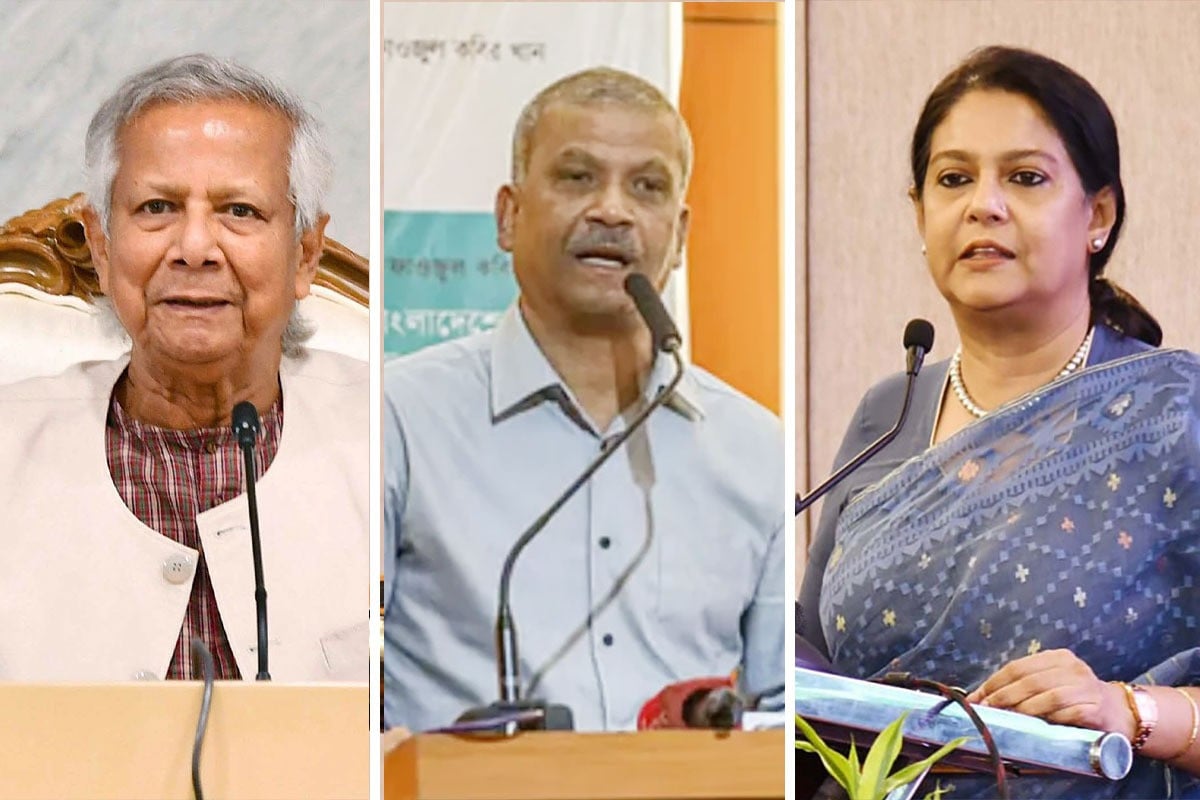
Preparations are underway for the farewell of the 18-month-old interim government. Following last Thursday’s Advisory Council meeting, the Chief Adviser’s press secretary stated that power would be handed over immediately after the oath-taking of the newly elected representatives, and that the process would not extend beyond 17 or 18 February. The Foreign Affairs Adviser has also confirmed that many advisers have already surrendered their diplomatic passports.
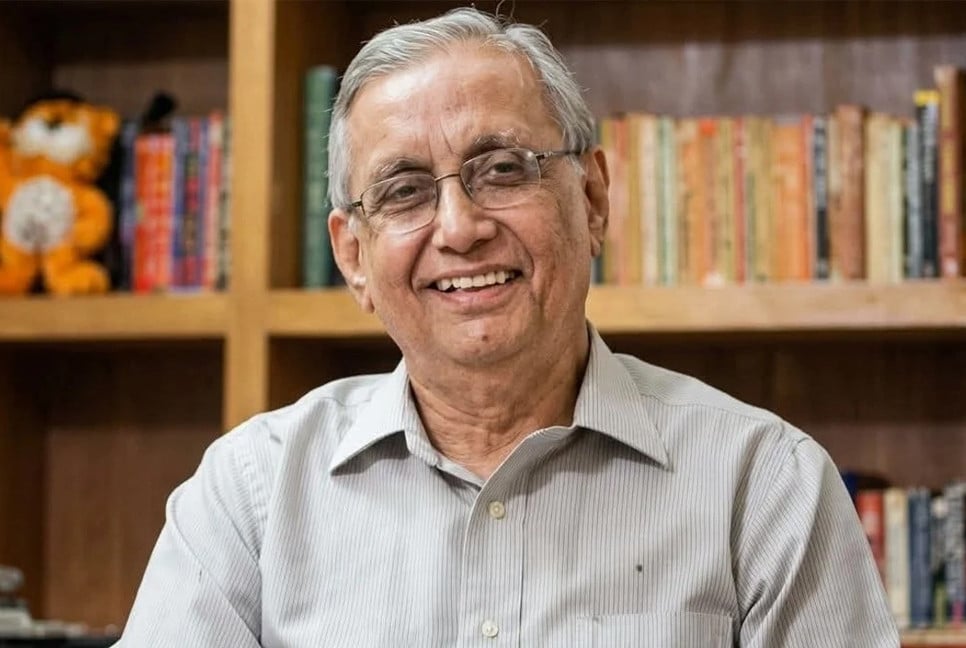
As the interim government prepares to step aside, eminent economist and one of the key supporters of the July Movement, Anu Muhammad, has delivered some of the harshest critiques of the administration. He argued that those assuming power through the 12 February election—the 13th parliamentary election—must publish a white paper explaining why, and in exchange for what, the interim government entered into agreements allegedly contrary to national interests. He further insisted that those responsible be brought to justice and that individuals within the current government involved in such activities should not be allowed to leave the country.
Former Jahangirnagar University professor Anu Muhammad also alleged that several agreements were signed in violation of existing rules and regulations. He claimed that, under the guise of advisers and special assistants, Chief Adviser Yunus effectively appointed lobbyists for foreign companies and foreign states within the government.
Anu Muhammad is not alone. Many figures who played prominent roles in the July Movement have now emerged as some of the fiercest critics of the Yunus-led interim government.
One of the most prominent figures of the July Movement, lawyer Dr. Shahdeen Malik, was initially appointed Chairman of the Constitutional Reform Commission but later declared his inability to carry out the responsibility. This constitutional expert, long known for his neutrality and independent views, assessed the interim government as falling somewhere between a second-division and a third-division performance. He also described the upcoming election as the biggest farce in Bangladesh’s electoral history.
Transparency International Bangladesh (TIB), once one of the strongest critics of corruption under the Awami League government, played a courageous role during the July Movement. Despite personal risks, TIB Executive Director Dr. Iftekharuzzaman stood at the forefront of the movement and later became directly involved in several reform initiatives of the interim government. He also serves as a key member of the National Consensus Commission. That same Iftekharuzzaman has now emerged as one of the government’s most outspoken critics.
According to him, when weighed against the government’s positive achievements, the scale of its “shortcomings or deviations” is significantly heavier. He noted that the public had high expectations regarding transparency and the free flow of information within state institutions—an issue clearly emphasized in the Chief Adviser’s first address to the nation.
“But in government offices,” he said, “we have seen a lack of transparency in decision-making and policy processes. These processes were not participatory, and a culture of secrecy prevailed.”
He also reminded the public that although the government announced that members of the Advisory Council would disclose their asset statements, this commitment has yet to be fulfilled.
Criticizing the government’s stance on the Women’s Affairs Reform Commission, the TIB Executive Director stated, “The government’s indifference went so far as to publicly declare that the women’s commission report was not its report. This narrative has, on the one hand, devalued the report and, on the other, empowered forces that resist women’s empowerment.”
He further observed that law and order remained the weakest area throughout the interim government’s tenure.
Referring to the National Media Commission and Broadcasting Commission Ordinance issued at the final moment as a “farewell mockery,” Iftekharuzzaman remarked, “This is nothing more than an eye-wash. It is merely a tactic to bring the media under even tighter government control.”
His most explosive comments, however, were directed at Anti-Corruption Commission (ACC) reform. “We were told that only a section of the bureaucracy opposed reform,” he said. “But at least seven members of the Advisory Council have taken a stand in their favor. This has deeply disappointed us. Even if one or two recommendations from the reform commission had been implemented, there might have been some progress. Instead, some strategic recommendations were deliberately discarded.” He made these remarks in a recent interview with News24.
Criticizing the interim government’s overall inaction, CPD Distinguished Fellow Debapriya Bhattacharya said, “They must remember that they are not an elected government. They may be a legal government, but they are not an elected one. An unelected government can govern only as long as it retains moral legitimacy. The current government has significantly eroded that moral legitimacy in many areas.” He added that public confidence has clearly declined, with widespread doubts about whether the government, administration, and law-enforcement agencies can ensure security.
Debapriya Bhattacharya was also one of the leading economists at the forefront of the July Movement and served as head of the White Paper Committee formed by the interim government.
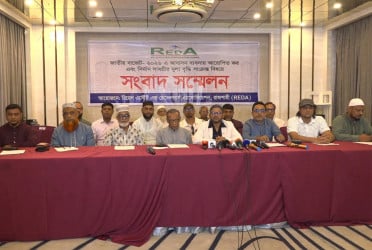
Criticism of the interim government’s 18-month performance has now spread across nearly all segments of civil society that once led the July Movement. From university teachers to development workers, from private entrepreneurs to lawyers, disappointment is evident everywhere—sometimes voiced openly, sometimes in silence. A pervasive sense of despair now prevails.
Discontent is not limited to domestic actors. International human-rights organizations that played an important role during the July Movement have also expressed disappointment. The Human Rights Watch World Report 2026 states that following the fall of ousted Prime Minister Sheikh Hasina, the interim government led by Muhammad Yunus failed to normalize the law-and-order situation or deliver on promised human-rights reforms.
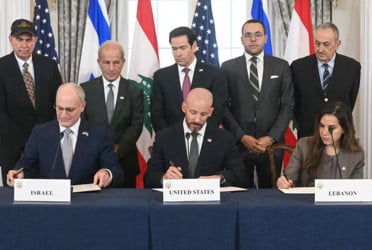
Public concern has also intensified over the government’s haste in signing various agreements at this final stage. With only days remaining before the national election, questions have arisen about agreements and memorandums of understanding with different countries, including a tariff-related agreement with the United States and defense agreements with China and Japan. A broader debate continues over whether such consequential decisions should have been deferred to an elected government.
Yet this administration assumed office with overwhelming public support. People from all walks of life placed their trust in Dr. Yunus’s interim government. Hope was widespread. Over time, however, that hope has gradually turned into disappointment. A government that once enjoyed peak popularity is now preparing to depart amid mounting questions and an undeniable image crisis.
Nevertheless, the government’s most important responsibility remains the organization of a free, fair, and credible election. In just a few days, the national election will be held—its final test. If the government succeeds in delivering a controversy-free election, the public may well forgive everything else.
The Chief Adviser has repeatedly assured both the people of Bangladesh and the international community that this election will be the best in the country’s history. If he fulfills that promise, the government’s departure may be dignified and honorable. If it fails, however, history will not forgive it—because history is ruthless and unforgiving.
Audite Karim: Writer and Playwright; Email: [email protected]