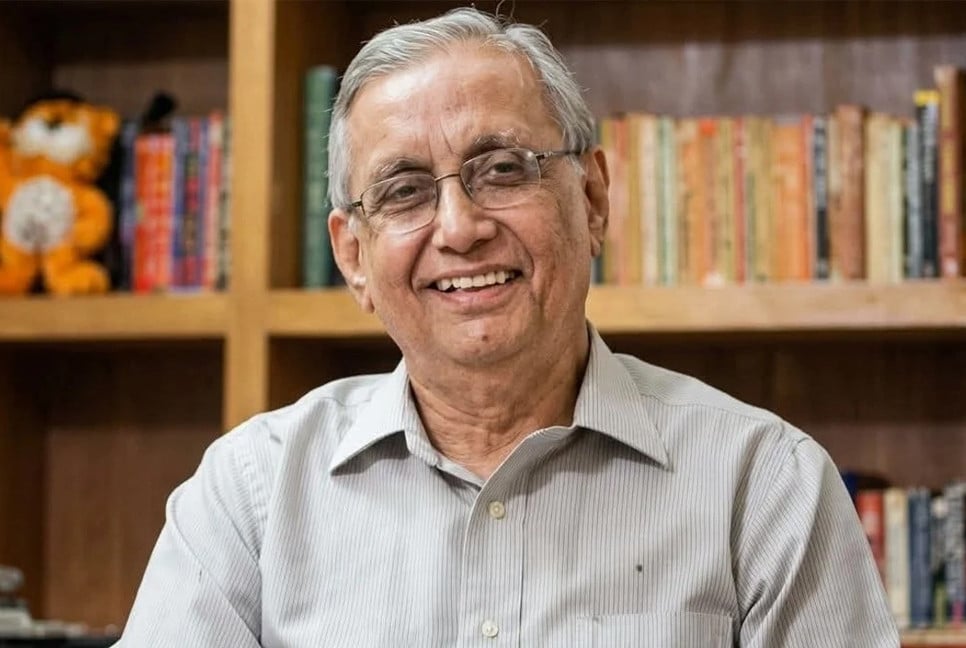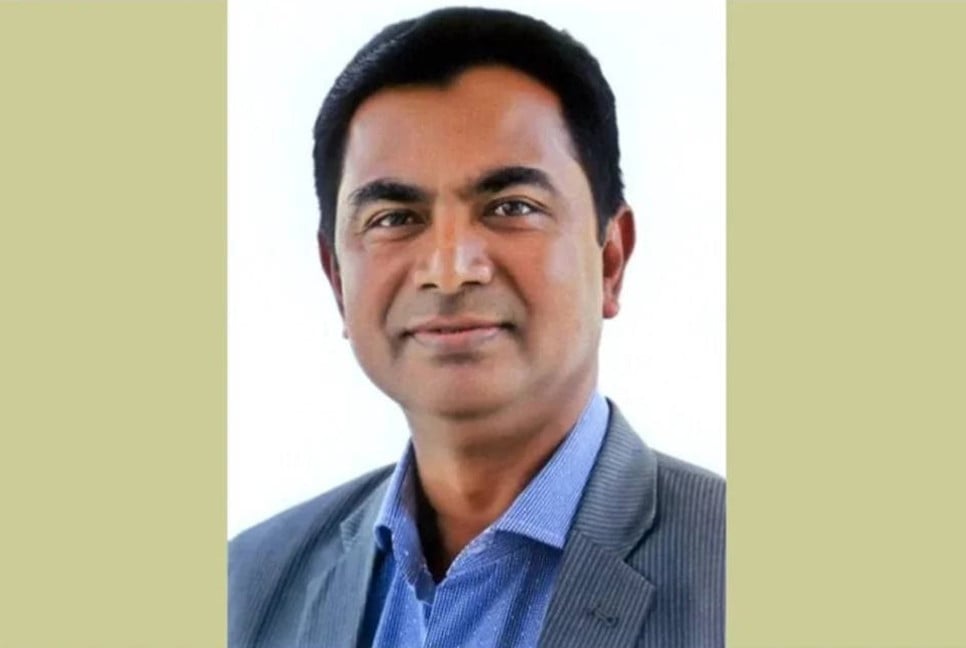
Anwar Zahid was primarily a journalist. He worked for various national dailies and influential weekly publications. At the same time, he was a politician. Starting his political journey in Bangladesh Chhatra League, he later became a member of parliament, a minister, and finally an adviser to BNP Chairperson Begum Khaleda Zia. He was also a formidable leader of the Journalists’ Union. Handsome, neat, and dignified, he spoke with clarity and impeccable pronunciation.
Once, during a joint meeting of the Bangladesh Federal Journalists Union and Dhaka Journalists Union, in response to a comment from a fellow journalist leader, Anwar Zahid sharply remarked: “Grey hair comes with wisdom, but a beard greys by shaving.” His meaningful remark resonates even today. Looking at the current political situation, one can grasp the depth of his pointed comment.
Politics in our country now flows in two streams. Those whose hair has turned grey with political wisdom try to practise one form of politics, while those whose hair and beard remain ungreyed—shaven regularly and lacking wisdom despite their youth—follow a different political path. The common people are losing their way amid these two currents. In the search for peace, unrest only grows. Just as the school bell in autopass mode signals the end of classes, if autopass in politics is allowed, the nation faces great misfortune. The people must pass an exam to enter politics; there is no room for autopass.
On 19 July, Jamaat-e-Islami held a rally at the Suhrawardy Udyan in Dhaka. This was a political showdown—a mass demonstration demanding seven points. During the event, the party’s Ameer, Dr Shafiqur Rahman, fell ill while delivering his speech. He managed to complete his remarks and was promptly admitted to hospital. At 67, it is not unusual for a senior person to fall ill in the intense heat. Dr Shafiqur is a seasoned politician, active in politics and journalism since his student days. Beginning his political career in 1973 with Jasad Chhatra League, he joined Islami Chhatra Shibir in 1977. After 52 years of political trials, he now leads Jamaat-e-Islami, enjoying deep loyalty from party members and respect from other political leaders alike. A gracious, ever-smiling gentleman.
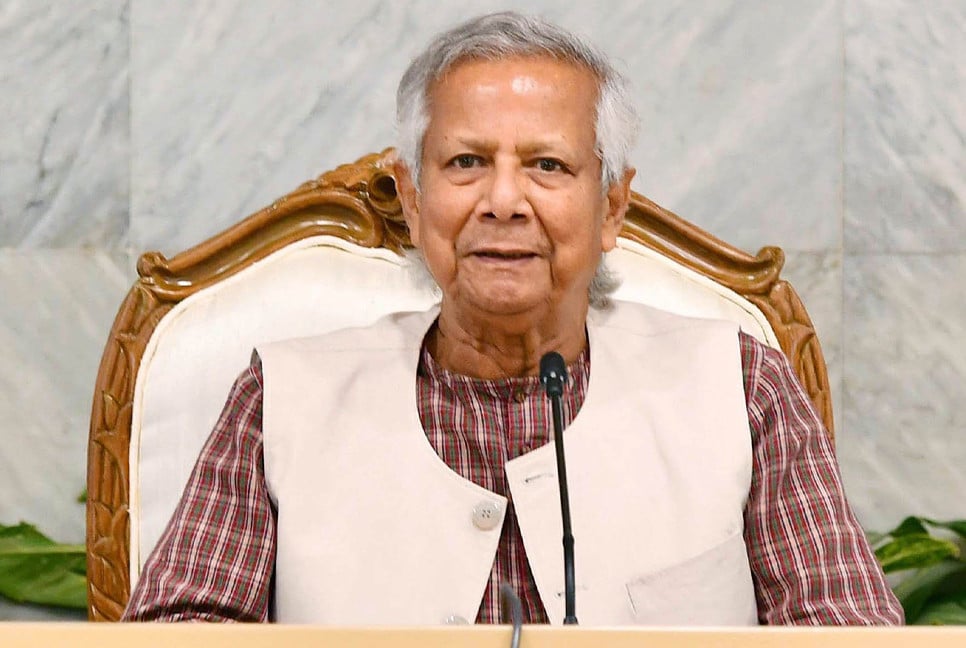
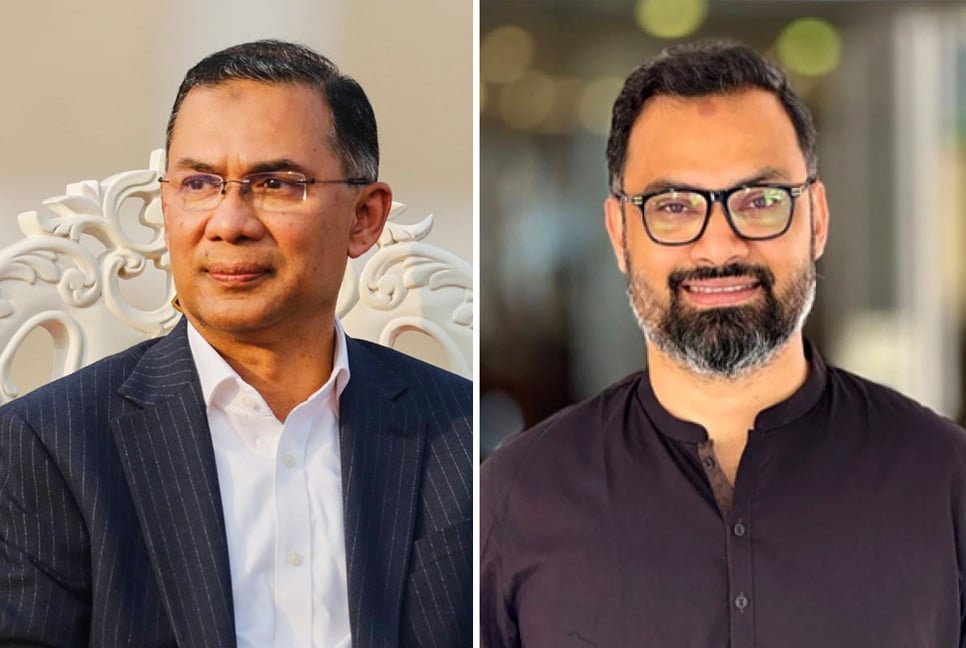
Hearing of his illness, BNP’s Acting Chairman Tarique Rahman expressed concern. Tarique, too, is a seasoned political leader whose courageous and accepted leadership commands respect and affection among BNP cadres. He is extremely humble; the Chief Adviser Dr Muhammad Yunus has praised Tarique’s modesty and personality.
Upon hearing of the Ameer’s condition, Tarique not only grew anxious but sent two senior party leaders, BNP Secretary General Mirza Fakhrul Islam Alamgir and Dr Abdul Moyeen Khan, to visit Dr Shafiqur Rahman in hospital. Present during the visit were Jamaat Secretary General Mia Golam Parwar and Deputy Amir Dr Syed Abdullah Mohammad Taher. The hospital visit reflected mutual political courtesy—this is our country’s culture.
After meeting the Ameer, Mirza Fakhrul Islam told the media, “On the instruction of BNP Acting Chairman Tarique Rahman, we came to see the Ameer. Visiting sick political leaders is a matter of political etiquette and our duty. We consider it a sacred responsibility. We came here for this reason. In this critical moment of Bangladesh politics, the Ameer’s recovery is vital.”
At the same time, Jamaat Deputy Amir Syed Abdullah Mohammad Taher expressed gratitude that BNP leaders visited their Amir. The Ameer sent his greetings to BNP Chairperson Begum Khaleda Zia and Acting Chairman Tarique Rahman.
William Horman, author of the Latin textbook The Vulgaria, said, “Courtesy makes the man.” Such courtesy in our politics is the wish of the people. The courtesy, mutual respect, and politeness displayed by leaders of both parties that day were witnessed by the nation. The reason behind this is that all are seasoned politicians. Their hair has turned grey with political knowledge and experience. To expect such courtesy from those whose hair remains ungreyed, regularly shaved and beardless, is nothing but wishful thinking.
Despite all the despair, we want to hope Bangladesh will not lose its way. Among us are still some wise people distinguished by courtesy, mutual respect, and civility. They are the guiding light in our darkness. People like Begum Khaleda Zia, Tarique Rahman, Dr Shafiqur Rahman, Mirza Fakhrul Islam Alamgir, and Dr Moyeen are still among us.
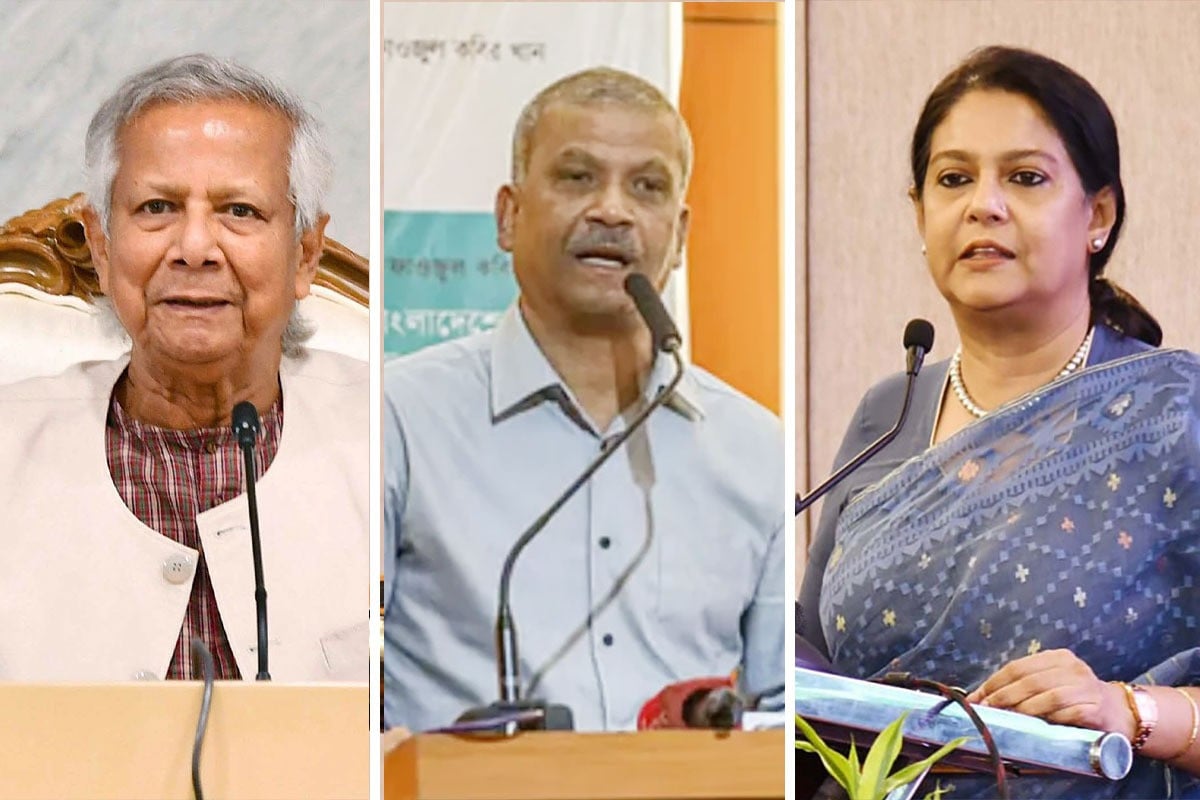
We are now passengers on an interim train that began its journey on 8 August 2024. No one knows its final station or how long the journey will take. Even those aboard seem unaware. The reason for their ignorance is that they are highly educated and knowledgeable, rewarded at home and abroad for NGO work. Yet, they fail to understand that running an NGO and running a country are not the same. They cannot grasp that as time passes, the government’s image is increasingly questioned. People view their actions with suspicion. Are they working to uphold the promise of democracy, or busy with tactics to avoid establishing democracy?
Already, the government’s Consensus Commission imposed a significant decision on political parties on Tuesday. Commission Vice-Chair Dr Ali Riaz announced that one cannot simultaneously hold the positions of prime minister and party chief. Though most political parties agreed, some expressed dissent. Those dissenting parties can include their objections as a ‘note of dissent’ in the national register. Notably, BNP and its aligned parties supported the proposal, while Jamaat-e-Islami, the National Citizens Party (NCP), and aligned parties opposed it. After Dr Ali Riaz’s announcement, the nation may try to assess whether the commission is impartial or biased.
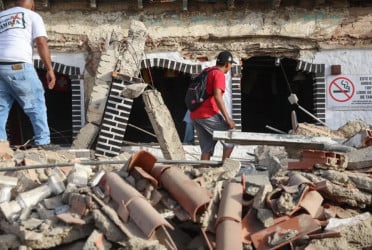
A dreadful tragedy has plunged the nation into mourning. A plane crash has thrown us into a sea of sorrow. Flight Lieutenant Toukir Islam could not save his life. Leaving behind his beloved parents, siblings, newlywed wife, and relatives, he departed for the hereafter. Others died in the crash as well. Innocent children were burnt to ashes; many severely injured. Teacher Maheen Chowdhury sacrificed her life protecting her beloved students. Several other teachers died; many remain hospitalised. Bereaved parents are devastated. Parents of injured children pray to Allah with hope. The family of a mother who died with her child is stunned with grief. Survivors who witnessed the crash are traumatised. Mourning grips every household in Uttara. Those bereft of children, mothers, and teachers are beyond consolation. Eyes have dried from too many tears.
Yet, in the spirit of humanity, hundreds have extended helping hands. Hospitals have long lines of blood donors. Senior government officials, including two advisers, have visited the crash site. Angry students and citizens detained the advisers at a school campus for nine hours. Grieving and enraged students and guardians clashed over an ill-considered ministry decision about exams, turning Bangladesh Secretariat into a battlefield.
From July-August 2024 onwards, the death toll borne by the nation has steadily risen. The people are overwhelmed with grief. Anger swells over the bloodied and burnt corpses. Only those who lose their children truly understand their loss. Those who are angry have nothing left to lose. What is more precious than the loss of loved ones?
No one wishes such a tragedy; the government bears no direct responsibility. Still, people are enraged at the government. The detention of advisers and the Secretariat conflict demand the government’s attention. The source of this anger must be sought. It is essential to reflect whether the student youth’s turbulent anger is merely grief or something else.
The government’s journey began with the heartfelt love of the people on 8 August last year. Whether that love remains intact or is waning, the government must consider deeply and analyse.
The writer is the Executive Editor of Bangladesh Pratidin. He can be reached at [email protected]