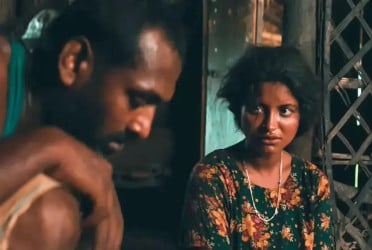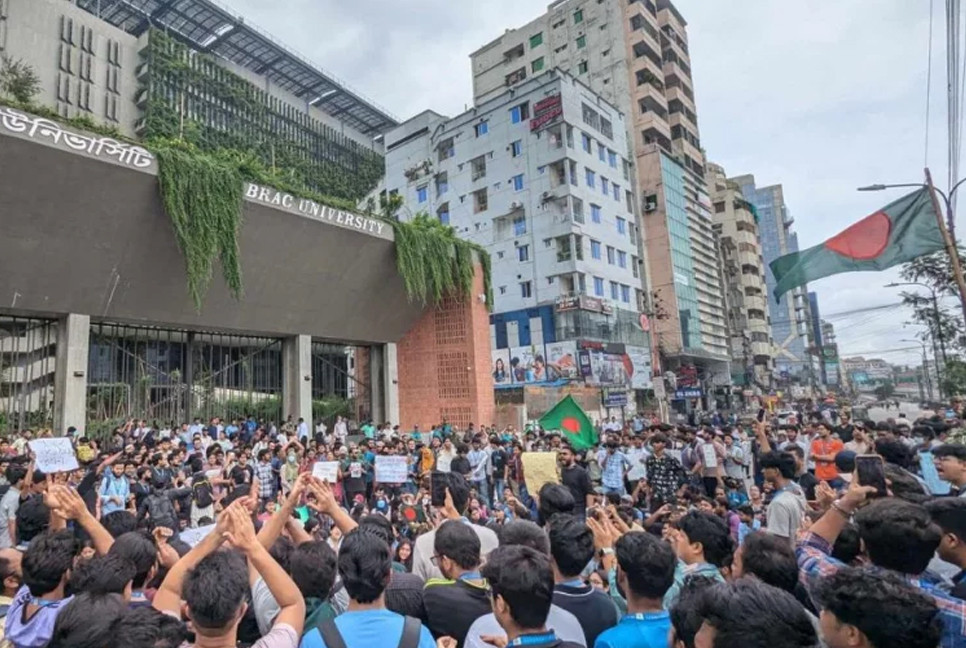
Private university students of the country led the movement demanding quota reform from the front. After the autocratic government closed all universities in the country in July last year, many thought the movement might have stopped. But right then, private university students turned the tide of the movement by taking to the streets. The government is observing 'Private University Resistance Day' on Friday (July 18) acknowledging the contribution of private university students in the July uprising. A film screening, July songs and a drone show will be performed at the capital's Hatirjheel Amphitheater this evening.
At least 30 private university students were martyred and several hundred more were injured in the July-August movement. After Sheikh Hasina fled the country on August 5, a year after the July uprising, private university students themselves say that the anti-discrimination spirit with which they started the movement against the then fascist government still persists. They say that everyone recognizes the sacrifices and contributions of private university students in the movement. But they have been deprived of the time to give them the recognition. There are questions about their having opportunities.
According to information, when the student movement started to stir in the academic arena from the beginning of July last year, the dictator Sheikh Hasina's government started to become strict. On July 15, the leaders and activists of the banned organization Chhatra League launched armed attacks on the protesters at various places including Dhaka University. On July 16, when the police and Chhatra League-Jubo League opened free fire on the student protesters, student Abu Sayeed was martyred at Begum Rokeya University. After that, the students became more agitated against the dictatorial government. That night, to suppress the student movement, the dictatorial Sheikh Hasina's government closed public and private universities across the country for an indefinite period. At the same time, the university-affiliated medical, textile, engineering and other colleges were closed.
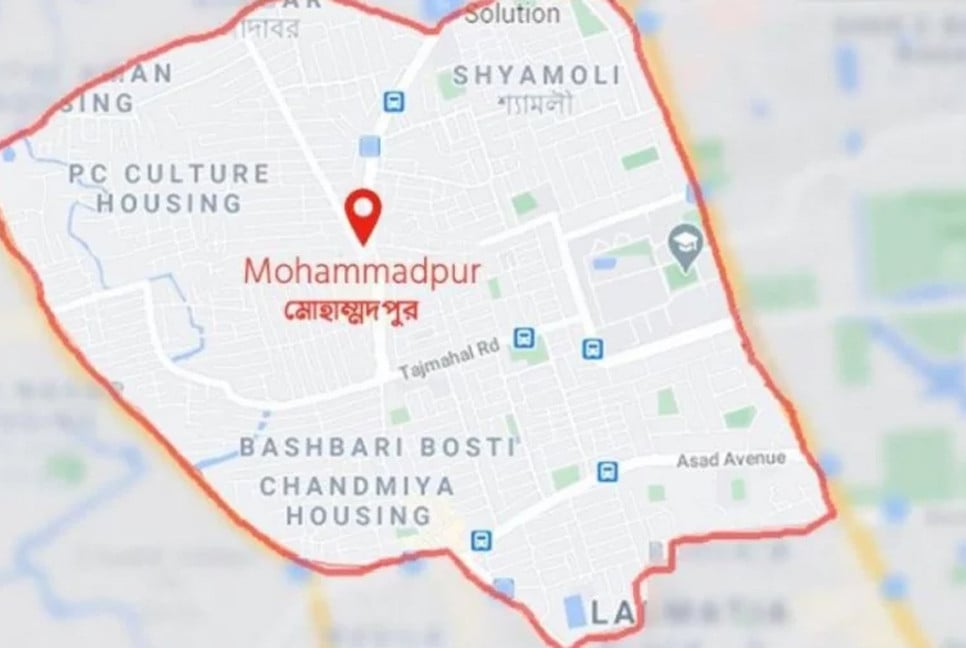
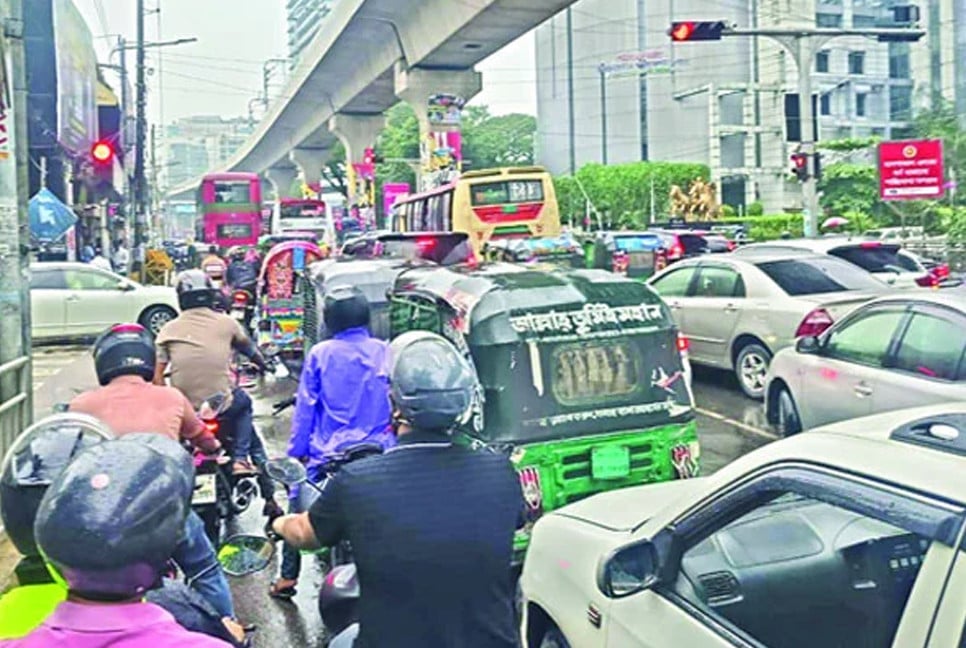
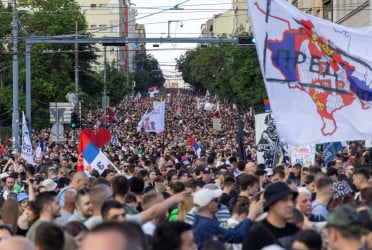
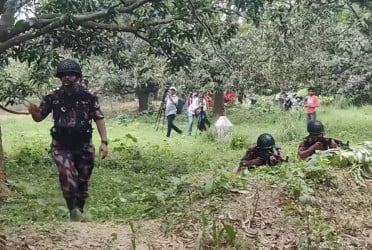
The then fascist government did not stop at just closing the university. To stop the movement, students were also instructed to leave the residential halls. Then the movement took a different turn. Private university students from all over the country took to the streets in a vigorous protest. When the protest started in various areas of the capital including Rampura Bridge, Badda, Notun Bazar, Bashundhara Gate, Uttara, Ashulia, Dhanmondi, Farmgate, led by private university students, the entire capital came to a standstill. The protest also took place outside Dhaka. Children, teenagers, workers, professionals and people of all classes and professions joined the protest. As the protest gained momentum day by day, it spread across the country. Ordinary people all over the country took to the streets in the protest for the fall of Hasina's dictatorship. On August 5, Sheikh Hasina fled to India, which led to the fall of the dictatorship led by her.
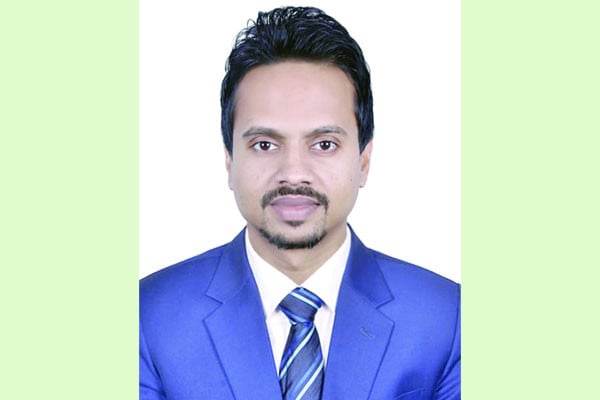
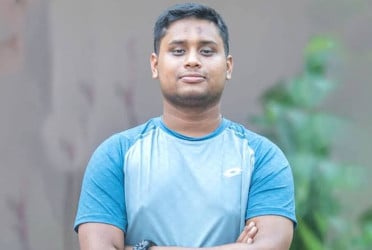
Private University Chatradal general secretary M. Razibul Islam Talukdar (Bindu) said, "We participated in the movement under a non-political banner called Anti-Discrimination Student Movement. After the movement, we got a fascist-free country. After that, we, the students of private universities, were the ones who suffered the most discrimination. We have been discriminated against, deprived, cheated."
This student of Atish Dipankar University of Science and Technology said this while talking to The Bangladesh Pratidin. Rajibul Islam said, "Dhaka University is the birthplace of various movements in the history of the country. But the birthplace of the July Movement should be called the private universities. After so many students of private universities were injured and martyred in the movement, everyone acknowledges our sacrifice and contribution. But when it was time to have the results, the private university students were deprived."
He also said, "Private university students are such a force that have participated in movements at different times in history and returned home with success. The anti-VAT movement, the safe road movement and the last July movement— we have been successful in all the movements. Since August 5, students of private universities have been working to build the country by doing various welfare works. We have also informed the government about our interest. We want our correct evaluation.”
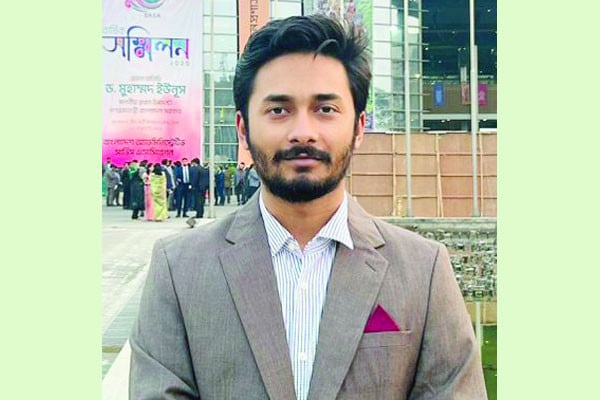
Naeem Abedin, central executive member of the Anti-Discrimination Student Movement and former coordinator of East West University, said, “The quota reform movement was spontaneous. Everyone participated in the movement out of conscience. Our roles on the time and after the movement were different. We fell behind in the post-movement period because we were inexperienced in politics.”
He said these things while talking to The Bangladesh Pratidin on Thursday.
Naeem Abedin said, “The issues after the movement were completely political (political move). No one gives space to anyone in this time around, and so you have to make your own space. Public university students have progressed in these areas because they have a political journey in the past. But since we do not have that kind of political journey in private universities, we could not even understand the issues. We realized this much later.”
The coordinator said, “Our demand was that one person from a private university should be appointed as an advisor. If it is not possible to take students, at least a teacher from a private university should be taken as an advisor. But they did not take that into account either.”
However, he admitted that a good portion of private university students have been kept in the newly formed political party (NCP).
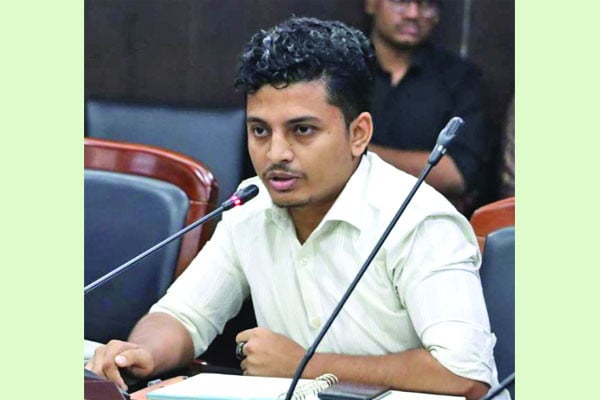
Kawsar Habib, coordinator of the anti-discrimination student movement and former coordinator of North South University, said, “The contribution and sacrifice of private university students have been evaluated in terms of nothing. It would be wrong to say that it is negligible, it is absolutely nothing. We have not been evaluated in comparison to the way other public universities, including Dhaka University, are being evaluated.”
He said this while talking to The Bangladesh Pratidin recently. Kawsar Habib said, “We have been on the ground against discrimination since July 15. When the government closed all universities during the July movement, the halls of public universities were also closed. Students from Dhaka and other public universities were also off campus at that time. Everyone assumed that the movement had stopped, and that's when the private university students took the movement forward.”
He said, “Although we did not make movement for any achievement, it is seen that while many have achieved something, the private university students have not.”
The former coordinator also said, “The political landscape of the country has changed over our hands, the fascist ruler has departed. It was logical to ensure the participation of private university students in the government that came to power after the revolution. But that was not done. In other places, too, they were hesitant to recognize private university students. At the last minute, the government was forced to declare July 18 as the Private University Resistance Day in the face of our demands.”
(Translated by Lutful Hoque)