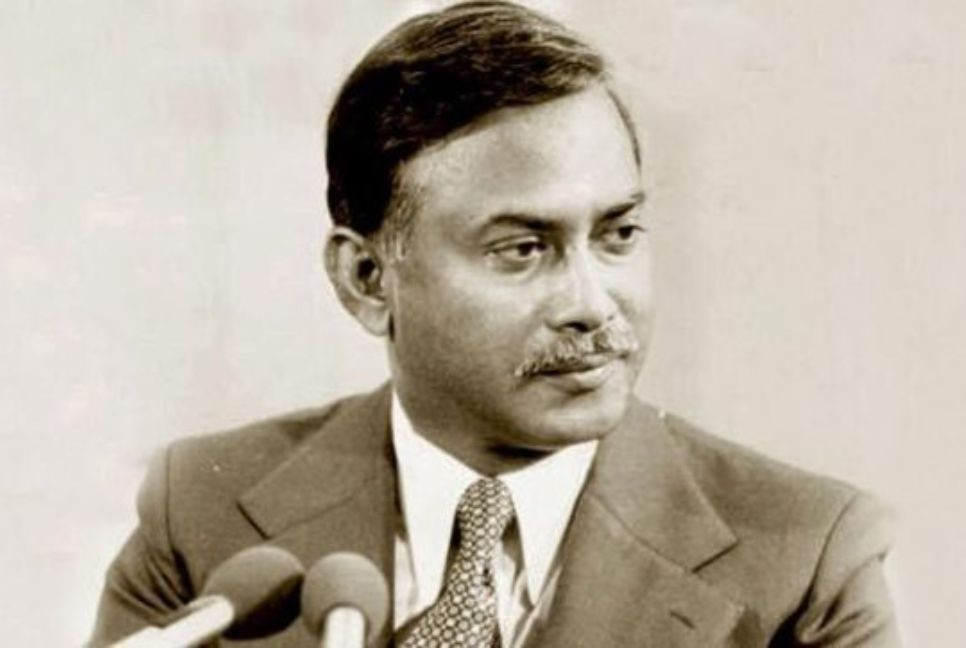
Development isn't just about infrastructure — it's about moral progress. That's why ideals must come first. Without values, a person isn't truly human, and a leader without ideals cannot lead. Politics without principles is meaningless. I see President Ziaur Rahman as a man of deep ideals — honesty, patriotism, and respect for human dignity.
He envisioned a society free from exploitation and inequality, and his 19-point program aimed to uplift the entire nation. Under his leadership, we witnessed a peaceful revolution: food production surged, canals were dug, education spread, population control advanced, and industries revived.
Food production: Under Ziaur Rahman's 19-point program, a major agricultural and food revolution began, with a goal to double food production in five years. Canal digging was prioritized to address irrigation needs, water storage in winter, and flood control. In just 1.5 years, 1,200 canals were excavated, resulting in record food production — a peaceful yet remarkable revolution.
Mass education: Alongside this came the mass literacy movement — within 1.5 years, four million adults learned to read and write, bringing light to many lives. The birth control revolution helped control population growth, spreading awareness even in rural areas.
‘Gram Sarkar’: His concept of "Gram Sarkar" (village government) empowered rural people directly — it wasn’t just policy, it was a movement. Through elections, village governments were established in 65,000 villages. The majority of the 19-point program began to be implemented through these village governments. As a result, ordinary rural people became active participants in the revolution.
Zia physically visited over 10,000 villages, truly connecting with the people, and became loved across the country.
Democratic principles: He also restored democracy, ending one-party rule imposed by the ousted Awami League regime. After assuming power, he freed thousands of political prisoners.
Foreign policy: His foreign policy of “friendship to all, malice toward none” strengthened Bangladesh on the world stage. In 1977, under his guidance, Bangladesh signed the first ever water-sharing treaty with India to secure its rights in the transboundary Ganges river.
To me, Zia was not just a president, nor was he an average politician who thinks mostly about the present to pocket political gains. Rather, he was a statesman who thought of the next generation, not just the next election.
He led with humility, never chasing wealth or luxury. His life taught us that moral force is the greatest power. If we truly want to lead and serve, we must let go of greed and serve with sincerity — just like he did.
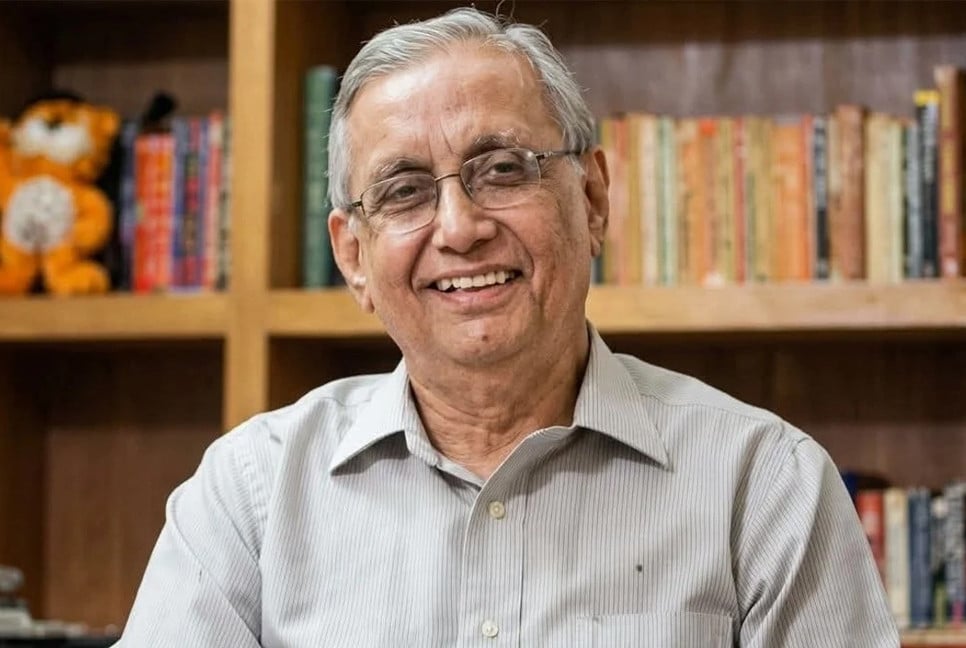
The writer is an adviser to the BNP chairperson and served as a cabinet secretary at the 2001-06 BNP-led government.