Lately, I don’t know what’s happening to me. I keep waking up in the middle of the night, followed by light sleep and strange, incomprehensible dreams. Most of these dreams are childlike, almost fairy-tale in nature. I laugh out loud in my sleep like a child. My wife gets terribly annoyed and asks what I saw. When I say I don’t remember, her irritation peaks. She works herself to the bone all day—the maid doesn’t show up, prices at the market are skyrocketing—but I don’t increase the household expenses. Now nearing sixty, I’ve developed some physical complications. But as a responsible husband, I ignore them and keep laughing in the middle of the night. Naturally, this increases my wife’s concern about me.
We have a bungalow surrounded by forest in Savar, near Dhaka. There are several large lakes, followed by a bamboo grove and other trees—our caretaker has warned my wife and children that jinns and ghosts dwell there. One night, my eldest son insisted on going alone near the bamboo grove, but my doctor daughter-in-law absolutely forbade it. Even my brave daughter wanted to go, but her husband stopped her—perhaps saving her. I’ve gone there many times late at night, sometimes alone, sometimes with my wife. This annoys our caretaker, who disapproves of our childish behavior. He has two daughters, aged seven and eleven, both memorizing the Quran at a local madrasa. They call me “Grandpa,” while their father they call “Baba.” My granddaughters, perhaps on their father’s advice, spoke to the madrasa teacher about talismans. The teacher advised burying four talismans at the four corners of the house and performing spiritual cleansing on me.
Upon hearing this, my wife was furious. She lectured them about superstitions and showed them the High Court (figuratively). But lately, my late-night laughter has reignited her suspicions. Though she doesn’t say much at night, at breakfast she brings up ghost stories and browses strange things on the internet. From this, I’ve come to sense that something has changed in me.
Nowadays, when I have time, I talk with my eldest son at length, asking him to return from abroad and start having children soon. My daughter-in-law joins in, saying, “Father, pray that we have twins.” I pray, and this whole scene drives my wife to grumble angrily. My daughter was married about seven years ago, and I am equally eager for her to have children. I long to play with my grandchildren, to wrestle and laugh with them, to argue over chocolate, lollipops, ice cream, and toys—to throw away all life’s pain and disappointment and embark on a fantasy journey hand in hand with them, ending my days in joy.
The situation I face in July 2025 did not exist in July 2024. My professional life began in 1986. Since then, I’ve shared tables and conversations with presidents, prime ministers, bureaucrats, poets, intellectuals, and religious scholars. For the past 40 years—winter or summer, day or night—I have worked tirelessly. Success and failure, victory and defeat, retreat and advance—none of these ever led me to seek help from spirits, talismans, or fantasy. Life was too busy and real to allow dreams. With so much experience and hard-earned lessons, fear, doubt, hesitation, and indecision never entered my mental vocabulary.
I’ve taken risks all my life. I’ve faced adverse situations with courage, avoided the impossible with strategy. Between 1986 and 2024, so many rulers came and went, but I didn’t have time to dwell on that. Instead, I faced the responsibilities and dangers of daily life with renewed strength and innovation. Political opposition, economic hurdles, social and family issues—these all became part of life, and solutions would naturally emerge one after another. That’s how July 2024 ushered in a new chapter in my life.
But in the past year, my memory has deteriorated significantly. One disaster after another is unfolding around me. The cries of businessmen, bureaucrats, and politicians I know—and my inability to help them—have left me drained and dimmed. Even when Prime Minister Sheikh Hasina’s government demolished my house, smashed my car via intelligence agencies, and harassed me using the Anti-Corruption Commission and tax authorities—I was never disheartened for a moment. My friends and well-wishers stood by me, and my life even progressed in those difficult times.
Yet in the past year, while I personally haven't suffered loss, the environment around me has completely collapsed. The spread of mob violence, masked as political chaos, has reduced my mental capacity. My memory has worsened. I’ve lost the will to work. The desire to take risks, to invest, to innovate—all have hit rock bottom. And this creeping dread of idleness? It was entirely absent in July 2024.
Last July and August, I was extremely busy. Every week, I wrote whatever I wanted in a top national newspaper—criticizing the Sheikh Hasina government without restraint. I appeared on 2–3 talk shows daily, ran a YouTube channel where I recorded, edited, and uploaded three videos per day, managed a 30-year-old business, stayed involved in politics and social activities, and even made time for entertainment. I used to return home around 1:30 a.m. Despite road unrest, student marches, secret arrests, and death threats, I remained fearless throughout July and August of 2024. But since August 5th of that year, something gradually stole that momentum—and left me lifeless.
Since independence, I never imagined our country would fall to foreign powers. The nightmare of becoming refugees like the Rohingyas, Syrians, or Palestinians never haunted us. Famine, like that of 1974 or the 1876 Bengal famine, never seemed plausible. But now, with militant groups like ISIS, rising homosexuality, foreign control over the Chattogram port, chaos in Teknaf under the pretext of UN corridors, and alarming rumors about Saint Martin’s Island—my body and soul feel crushed. This past year, life and death have come frighteningly close for me.
Never in my life have I seen the wealthy weep like this. I’ve never seen elders in society tremble like banana leaves. Top industrialists cry in unison, fearing bankruptcy. One faction of the police is afraid, another has fled, some are in jail, and others fear imprisonment. The public has lost trust. Mobsters threaten to beat police officers to death, as seen in Jatrabari. No one remains in whom the people have confidence. There's no beloved leader or inspiring voice left to stand against injustice. As a result, the social fabric is unraveling.
In just one year, interest in marriage, childbirth, food, sleep, business, entertainment, and even survival has collapsed. The normal rhythm of joy and sorrow has morphed into wild hysteria and deafening outcries. A new, hideous form of corruption has emerged—unlike anything in our century-old history of moral decay. In recent months, we've seen rapes, attacks on weddings, midnight home invasions—turning society into a jungle. In this wilderness, perhaps the only escape for someone like me is to forget everything and become an innocent child once more.
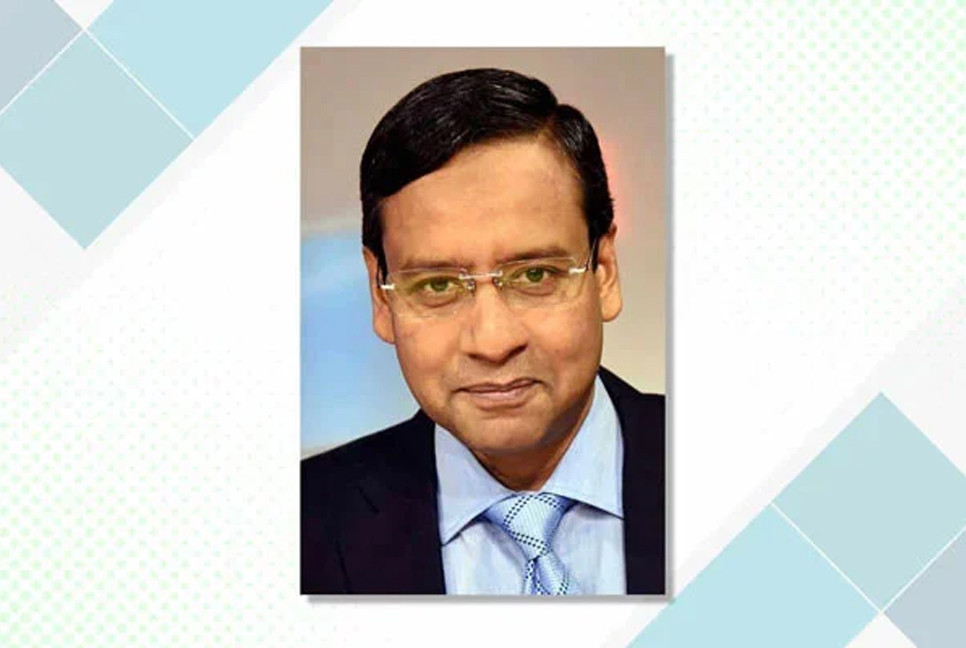
The Writer is a former Member of Parliament and Political Analyst