In a democratic system, the media is often referred to as the fourth pillar of the state. A free media is one of the key prerequisites for democracy. The more independent the media, the more secure democracy, accountability, and good governance become. That is why a hallmark of a democratic state is that the media can freely express its opinions without fear—whether or not those opinions are liked by others.
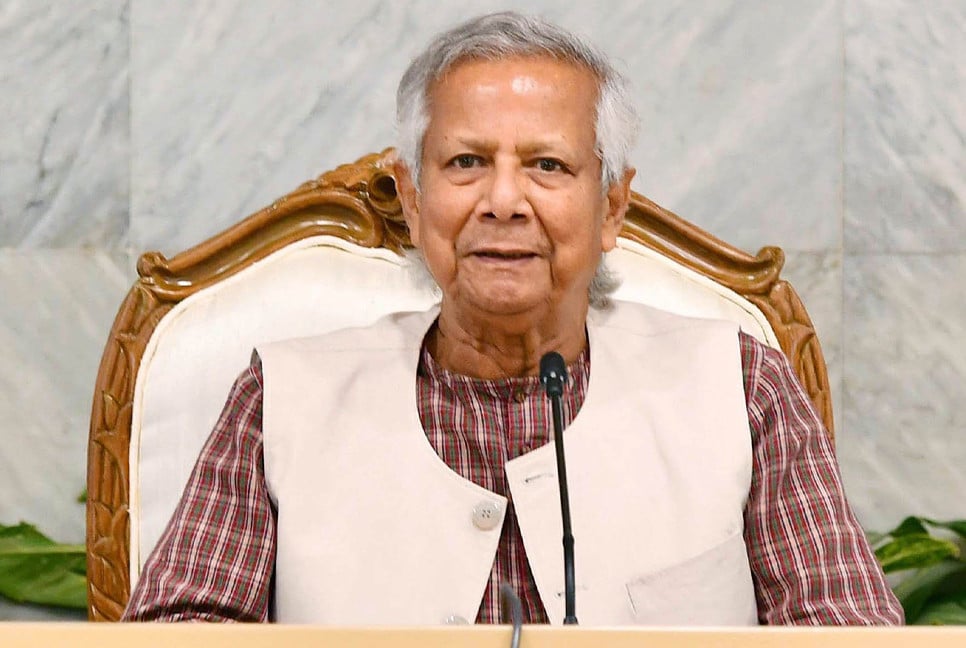
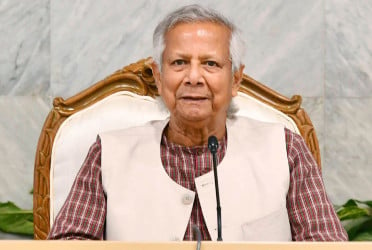
Chief Adviser Prof Muhammad Yunus assumed office on 8 August last year. In his first address to the nation, he urged the media, saying, “Criticize freely. Point out our faults and shortcomings.” This was not just in his first speech; he has consistently emphasized the importance of media freedom. The chief adviser is prioritizing media independence for very logical reasons: until the media can freely report the truth without fear, democracy cannot be established, nor can transparency and accountability. Therefore, allowing the media to operate fearlessly is essential for building the vision of a “New Bangladesh.”
But, unfortunately, we still haven’t been able to free ourselves from the authoritarian culture of silencing the media. Over the past year, a culture of fear and self-censorship has been growing within the media. Journalists now think twice before speaking their minds. If a media outlet publishes something unpalatable, it is met with threats. Mob intimidation is no longer uncommon in Bangladesh’s media landscape.
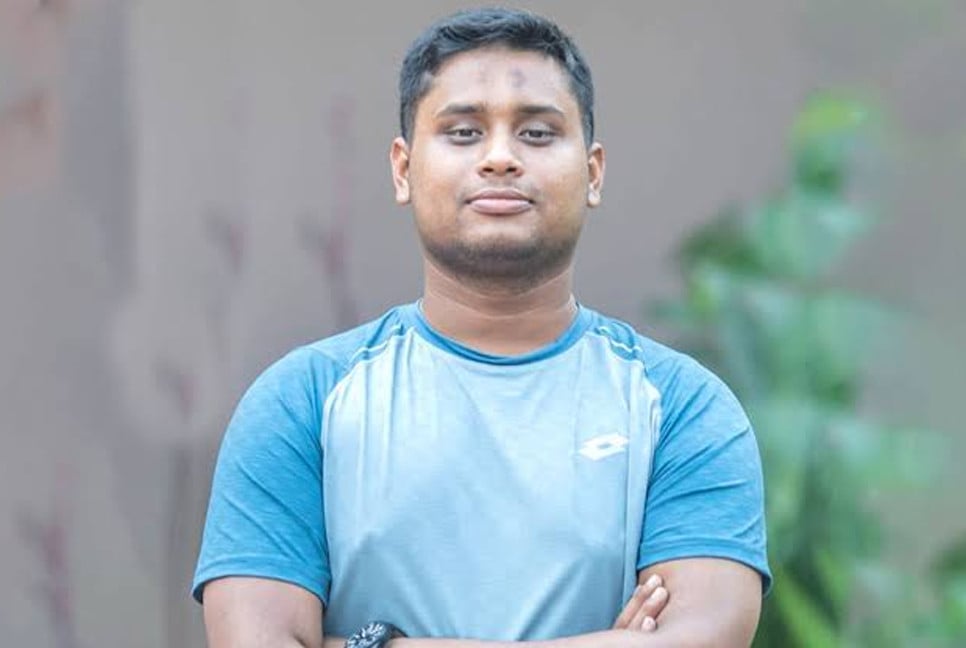
Recently, Hasnat Abdullah, a key organizer of the July Movement and chief organizer (south) of the NCP (National Citizen Party), made a disturbing comment in Rajshahi. He openly threatened the media, stating, “We haven’t forgotten how the Bashundhara media supported killer Hasina. Their journalists are once again legitimizing crime and plotting another 1/11 conspiracy. The people will never tolerate this.” His comments are not only emotionally charged but also ignorant.
When someone as responsible as Hasnat Abdullah makes such remarks, it understandably alarms not just the media, but the entire nation. Such threats are incompatible with the vision of a democratic Bangladesh. In fact, they remind us of the fascist-era attempts to control the press. While Hasnat may have personal grievances with certain media houses, that does not give him the right to threaten them publicly. Should the NCP or its student wing be above criticism? Must they only be praised? The Awami League tried to silence the media in the same way for 15 years—through fear and intimidation—and we all know the result.
Over the past 11 months, we’ve witnessed a reign of mob terror across the country. Leaders threatening individuals or institutions on Facebook is enough to trigger attacks. If a media outlet publishes a report someone doesn’t like, incitements and threats follow. It’s normal for people to disagree with the editorial policies of certain newspapers. Not everyone has to like what is published. But disagreement doesn’t justify threats. There are legitimate ways to protest if a media outlet fails to present accurate information. Threats can never be the language of protest.
If everyone only praises the BNP, NCP, or Jamaat, and fears criticizing them, then what is the need for the media? Such threats are also barriers to democratic progress. If this culture persists, political parties won’t be able to recognize their own flaws. Since the formation of the NCP, many issues within the party have come to light. One senior leader has been accused in a textbook scandal, and preliminary investigations suggest the allegations have merit. The Anti-Corruption Commission is now investigating, and the NCP has also formed a committee and temporarily removed him from his role. Another leader, Sarwar Tushar, has been accused of inappropriate behavior with a woman and has also been temporarily removed.
The NCP deserves credit for not ignoring such criticism. They are investigating allegations and removing accused leaders as necessary. This reflects a new culture of transparency and accountability in Bangladeshi politics. But Hasnat Abdullah’s statement runs contrary to this positive trend. Mistakes by leaders are normal, especially in a young party filled with energetic newcomers. For such enthusiasm to mature into constructive political engagement, both criticism and the ability to accept it are vital. Labeling any critical newspaper as a “fascist collaborator” and attacking it is not democratic.
The media has already been struggling for the past 11 months—and in fact, for the past 16 years. We all know how the media was run under the Awami League. Hasnat himself has said multiple times that intelligence agencies and AL officials controlled the media, preventing any coverage of the opposition. Many journalists were silenced. During that time, no newspaper could report on AL corruption or looting. Before 5 August, several Bashundhara outlets were hit with multiple cases under the repressive Digital Security Act, and many journalists were harassed.
For example, on 31 March last year, Kaler Kantho published a series of reports on the corruption of former police chief Benazir Ahmed. These reports marked the beginning of the government’s downfall. The revelations shook the country, exposing the extent of looting under AL rule. Following this, Bashundhara media faced a slew of lawsuits, supported by the then-government and its administration, aimed at silencing any media that dared to speak the truth.
When Hasnat Abdullah now calls Bashundhara outlets “fascist collaborators,” it’s clear he lacks a full understanding of the last 15 years of media suppression. It is now the responsibility of this new government—and these young leaders—to ensure the media is freed from that suffocating environment. Only then can we achieve the Bangladesh we dream of.
After the uprising, people hoped that the media would finally be free—able to express themselves and criticize. But unfortunately, since 5 August, harassment, mob attacks, and threats against the media have continued. The fear that haunted journalists before is still very much present.
Tolerance for differing opinions is a fundamental principle of democracy. We believe Hasnat Abdullah and the NCP are sincere in wanting to establish a democratic, accountable, and transparent Bangladesh. But to do so, media freedom is essential. Political leaders must learn to accept criticism. If not, then what is the difference between Hasnat Abdullah and the Awami League?
We believe Hasnat Abdullah played a key role in bringing down autocracy. We want to believe he fought for a free Bangladesh—where the media can speak openly. If we’re going to evaluate the last 15 years, we must do it with honesty. Many who once acted as student activists under the fear of Chhatra League—were they collaborators too? Back then, everyone—media and individuals—had to obey the ruling party to avoid repression. Failing to understand this reality and impulsively attacking the media is a dangerous trend. It will only cause the press to hesitate, and the truth will be silenced. And if the truth is stifled, the NCP and Hasnat Abdullah will ultimately be the ones most harmed.
Audite Karim is a playwright and columnist.
Email: [email protected]
Bd-pratidin English/ Jisan